

Antitrust Bill Targeting MercadoLibre Faces December 1 Vote
Brazil's Chamber of Deputies schedules a December 1 vote on an antitrust bill that could subject MercadoLibre to strict algorithmic and ranking oversight.
Key takeaways
- Brazil’s Chamber of Deputies scheduled a vote on digital antitrust bill PL 4,675/2025 for December 1, 2026, per rapporteur Aliel Machado on November 24, 2026
- The bill targets tech platforms with global revenues above 50 billion reais or local revenues above 5 billion reais, per Agência Brasil on November 24, 2026
- Enforcing the regulations could save local businesses and consumers up to 50.6 billion reais annually, per the Ministry of Finance on November 23, 2026
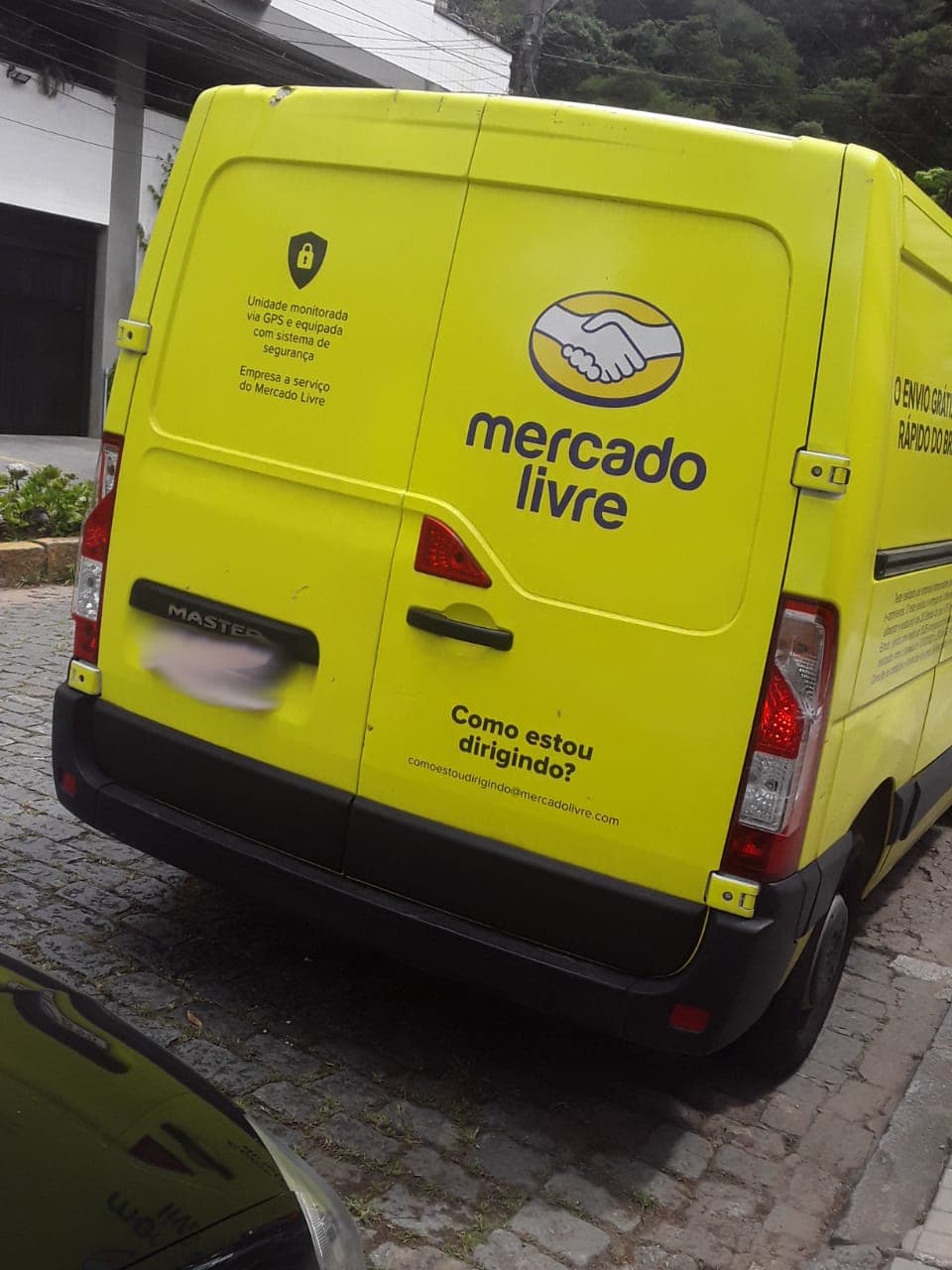
American investors holding shares of New York-listed e-commerce giant MercadoLibre or global technology firms are facing a sudden regulatory shift, as Brazil's lower house of Congress has scheduled a December 1, 2026, vote on a sweeping digital antitrust bill, according to an announcement by the bill's rapporteur reported by state-run news agency Agência Brasil on November 24, 2026. The legislation, known as PL 4,675/2025, would establish a new digital markets superintendent inside the Administrative Council for Economic Defense (CADE), the country's antitrust watchdog, and introduce stringent operating rules for major online platforms.
The bill targets any digital platform with global annual revenues exceeding 50 billion reais (approximately $8.54 billion USD) or local Brazilian revenues above 5 billion reais (approximately $854 million USD), as reported by Agência Brasil on November 24, 2026. Under these thresholds, MercadoLibre—which operates as Mercado Livre in Brazil and draws more than half of its total revenues from the country—would face designation as a platform of "systemic relevance". This status grants regulators the power to intervene directly in self-preferencing practices, search result rankings, and proprietary algorithms, without needing to prove a prior antitrust violation.
Proponents of the measure, led by Brazil's Ministry of Finance, argue the rules are necessary to curb the monopolistic power of massive tech conglomerates. A study released by the ministry’s Secretariat of Economic Reforms on November 23, 2026, estimated that enforcing the antitrust regulations could save Brazilian small businesses and consumers up to 50.6 billion reais ($8.64 billion USD) annually by reducing platform transaction fees and increasing local market competition. The sponsor of the bill, Deputy Aliel Machado, emphasized on November 24, 2026, that the framework is strictly technical and does not involve content moderation, aiming instead to replicate European-style digital market protections.
However, the looming vote has triggered intense pushback from industry groups and free-market advocates. The Digital Council, an alliance representing major tech operators including Google, Meta, and Amazon, warned in a position paper in July 2026 that the law introduces deep legal uncertainty by giving the antitrust regulator sweeping, discretionary powers over product designs and third-party contracts. Furthermore, on November 25, 2026, the Mixed Parliamentary Front for the Free Market, representing 204 federal lawmakers, attacked the bill as an overreach that could discourage foreign investment and increase operating costs across the domestic tech ecosystem.
The bill's progression now depends on the upcoming plenary session in the Chamber of Deputies on December 1, 2026, where it requires a simple majority to pass before heading to the Senate. If approved, Brazil will join the European Union as one of the few major jurisdictions enforcing ex-ante regulation on digital gatekeepers, forcing global technology companies to fundamentally restructure how they operate, rank search results, and manage proprietary customer data in Latin America's largest economy.
In your brokerage app
Shares of MercadoLibre, which trade on the Nasdaq, are highly sensitive to regulatory changes in its key Brazilian market. Investors holding the stock or diversified Latin American exchange-traded funds should monitor the upcoming vote, as CADE's potential intervention in self-preferencing could restrict how MercadoLibre promotes its fintech arm, Mercado Pago, and its in-house logistics services over competitors.
Related coverage
 Petrobras Spared Price Pain as Diesel Subsidy of 2.12 Reais ExtendedBrazil will extend its road diesel subsidy of 2.12 reais per liter for 30 days, shielding Petrobras from pressure to cut refinery gate prices.
 US Proposes 10% Tariff on Embraer Civil Aircraft and New Sugar DutiesThe US proposed a 10% tariff on Brazilian civil aircraft and specific duties on sugar, ending key exemptions to increase trade negotiation leverage.
 Lula Signs $9.5 Billion Fiscal Law to Ease Pressure on Brazil RealPresident Lula has signed a major fiscal adjustment package, capping spending growth at 2% and cutting tax breaks to stabilize the weakening Brazil real.