China's slow buying of US farm goods tests trade pledge as Brazil gains
China's non-soybean imports of US agricultural goods fell to a seven-year low of $7.2 billion through September 2026, as Brazil captures market share.
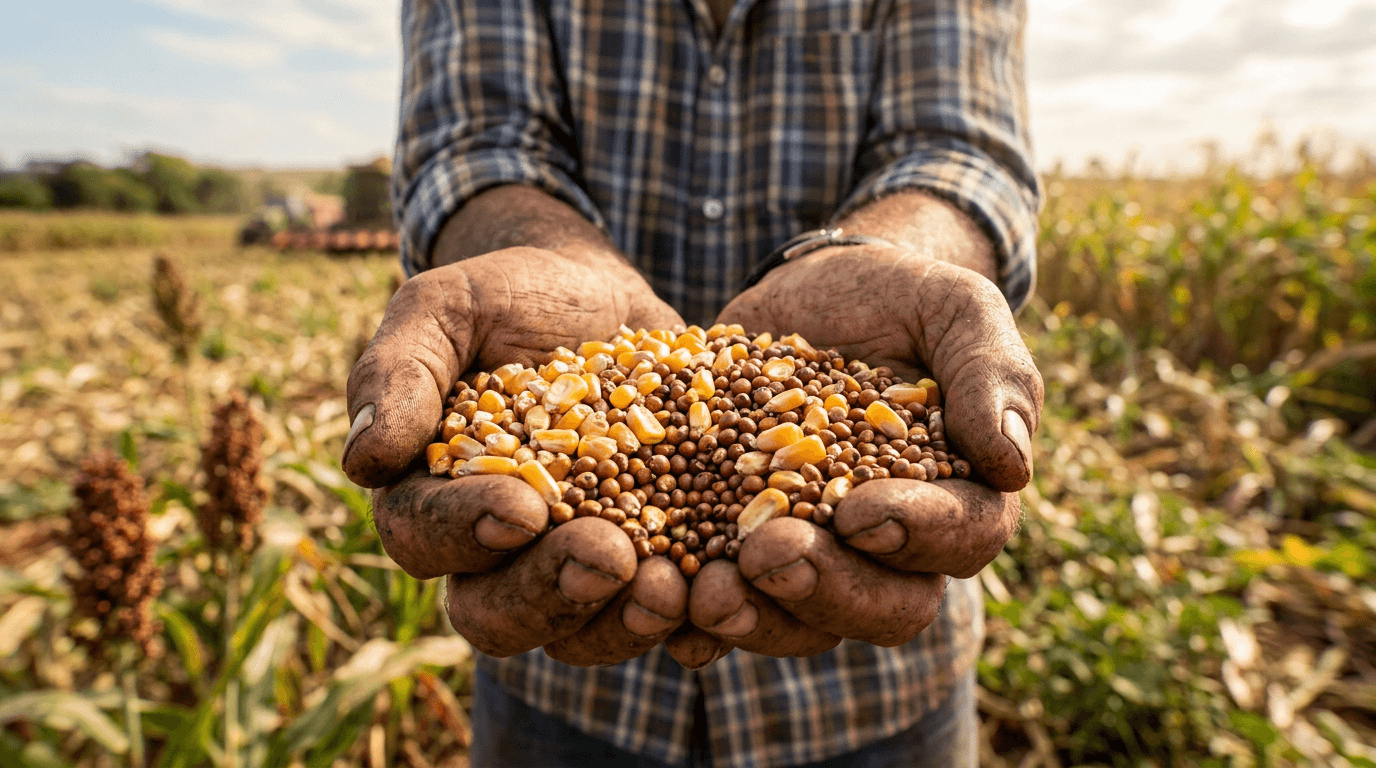
American grain farmers holding full bins of corn and sorghum are finding that international trade agreements do not always guarantee a sale. Despite a high-profile trade pledge negotiated earlier this year, Chinese buying of US agricultural products other than soybeans is on track for a seven-year low, leaving US exporters exposed to shifting global supply chains.
According to a Reuters analysis of Chinese customs data published on November 2, 2026, China purchased just $7.2 billion worth of non-soybean US agricultural goods—including corn, sorghum, and meat—between January and September 2026. This represents the lowest import level for that period since 2019, during the height of the first Washington-Beijing trade war. The sluggish pace threatens to undermine Beijing's commitment, announced by the White House in May 2026, to purchase an additional $17 billion in US agricultural products annually.
While the US struggles to convert political promises into actual shipments, Brazil is rapidly capturing Chinese market share. The South American agricultural powerhouse secured access to China’s sorghum market in September 2025 and has moved swiftly to displace American suppliers. Brazil has already shipped 1.7 million metric tons of sorghum to China in 2026, with nearly 1 million additional tons scheduled for shipment, according to data from agricultural brokerage Marex.
The shift is even more pronounced in the corn market. At its peak in 2021, China imported 20 million metric tons of US corn worth $5.6 billion. However, COFCO Futures, a brokerage affiliated with China's state trading system, recently declared US corn uncompetitive due to ample domestic supply and cheaper South American alternatives, forecasting imports of just 900,000 metric tons of US corn for the 2026/27 marketing year that began in September.
Even as the newly established U.S.-China Board of Trade attempts to lower reciprocal tariffs on non-soybean commodities, market dynamics are favoring South American exporters. Brazil's massive, low-cost logistics network and growing diplomatic ties with Beijing have allowed its farmers to establish a dominant position. For US growers, the lack of private Chinese commercial buying means any recovery in export volumes will likely depend on directed, non-market purchases by Chinese state-owned enterprises.