Why soybean futures are sliding as global harvest pressure mounts
Large speculative traders are trimming bullish soybean bets as a swift U.S. harvest and aggressive Brazilian export competition boost global supplies.
The price of groceries and agricultural commodities in the United States is feeling the weight of a massive global harvest. For market participants tracking grain markets, the latest regulatory data reveals that large speculative traders are trimming their bullish bets on soybeans as global supplies begin to flood the market.
According to the U.S. Commodity Futures Trading Commission (CFTC), non-commercial traders—primarily hedge funds and large money managers—held a net-long position of 204,119 contracts in Chicago Board of Trade (CBOT) soybeans as of October 27, 2026. This net position was comprised of 271,296 long contracts against 67,177 short contracts, out of a total open interest of 979,414 contracts. While still net-positive, this represents a notable reduction of 42,477 net-long contracts from the previous week.
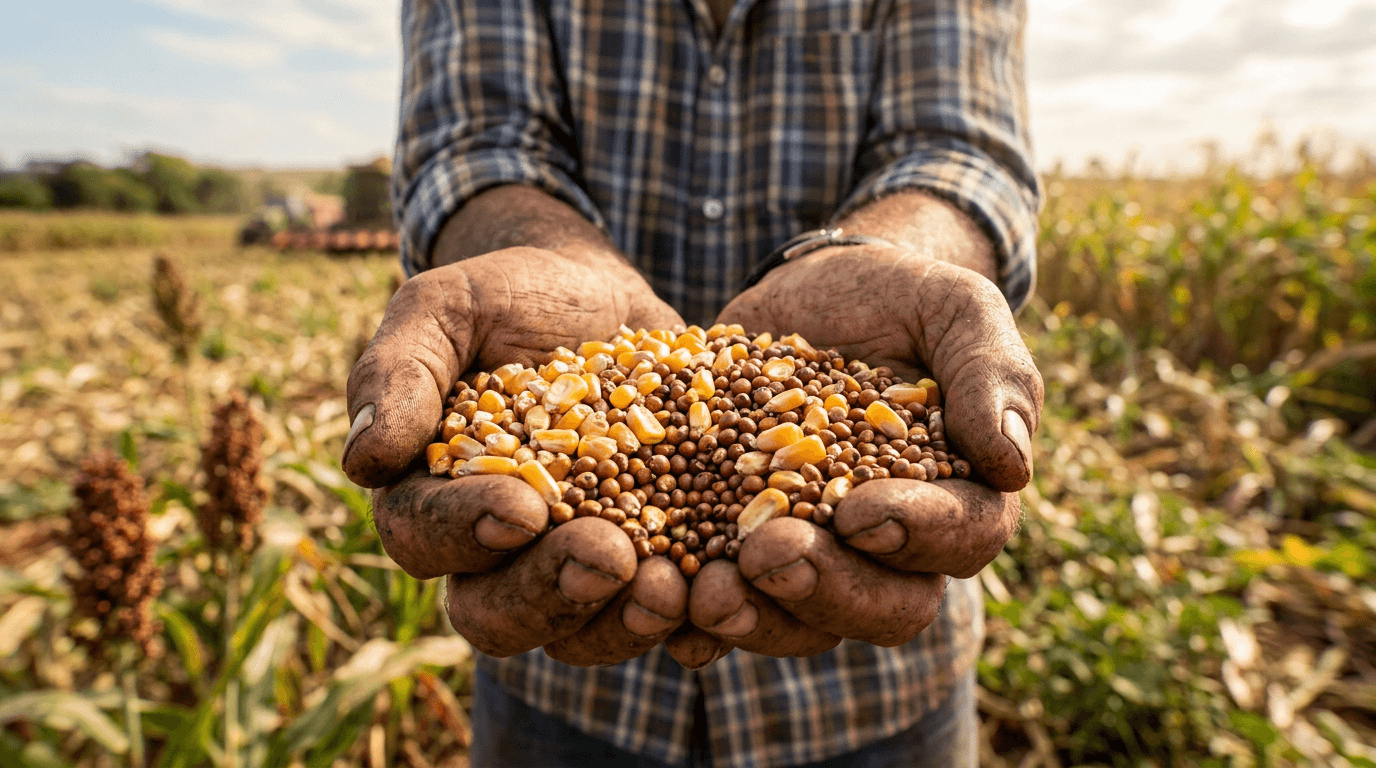
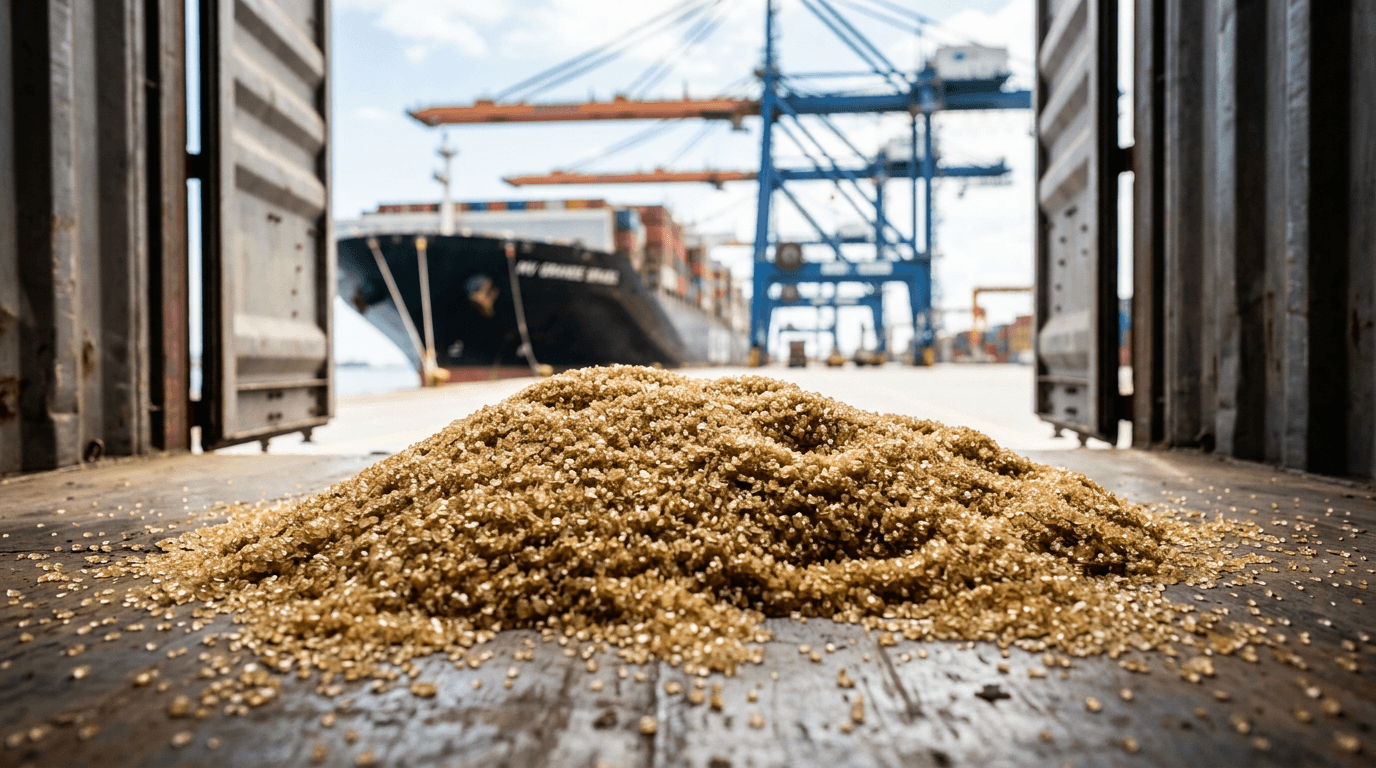
This shift in sentiment is directly tied to the fields of Brazil, the world's largest exporter of soybeans. Brazilian farmers are ramping up their export competitiveness, offering highly attractive pricing that has forced global traders to reconsider their bullish exposure to U.S. agricultural futures. In Brazil, the agricultural sector is the primary engine of the national economy, and its massive export volumes dictate the global benchmark prices set in Chicago.
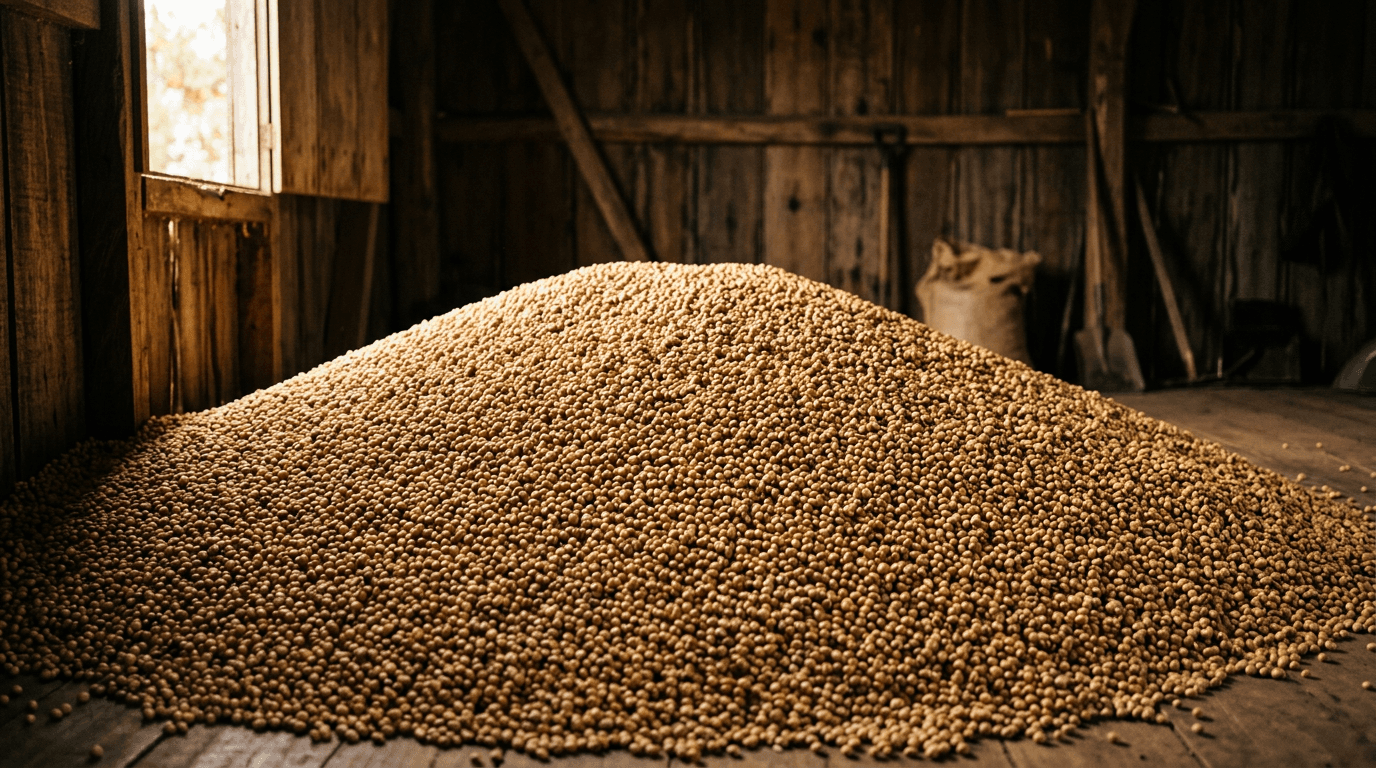
At the same time, U.S. farmers have made rapid progress in bringing in their own crops. According to the USDA Crop Progress report released on October 26, 2026, the U.S. soybean harvest advanced to 79% complete as of October 25, 2026, matching analyst expectations and easing immediate supply concerns. The combination of a swift domestic harvest and aggressive export pricing from South America has kept a lid on grain prices.
These weekly positioning figures from the CFTC serve as a valuable health check on market sentiment rather than a direct price forecast. To give market participants a fresher view of these dynamics, the CFTC announced on October 28, 2026, in an official commission release that it will transition the Commitments of Traders report to a twice-weekly publication schedule by the end of 2026. This change will help market participants analyze shifting fund flows in the agricultural space with a shorter reporting lag.