Dry weather in Brazil's northern crop belt tests global soy supply
A localized dry spell in Bahia contrasts with rapid soybean planting across Brazil, posing a conditional risk factor for global agricultural markets.
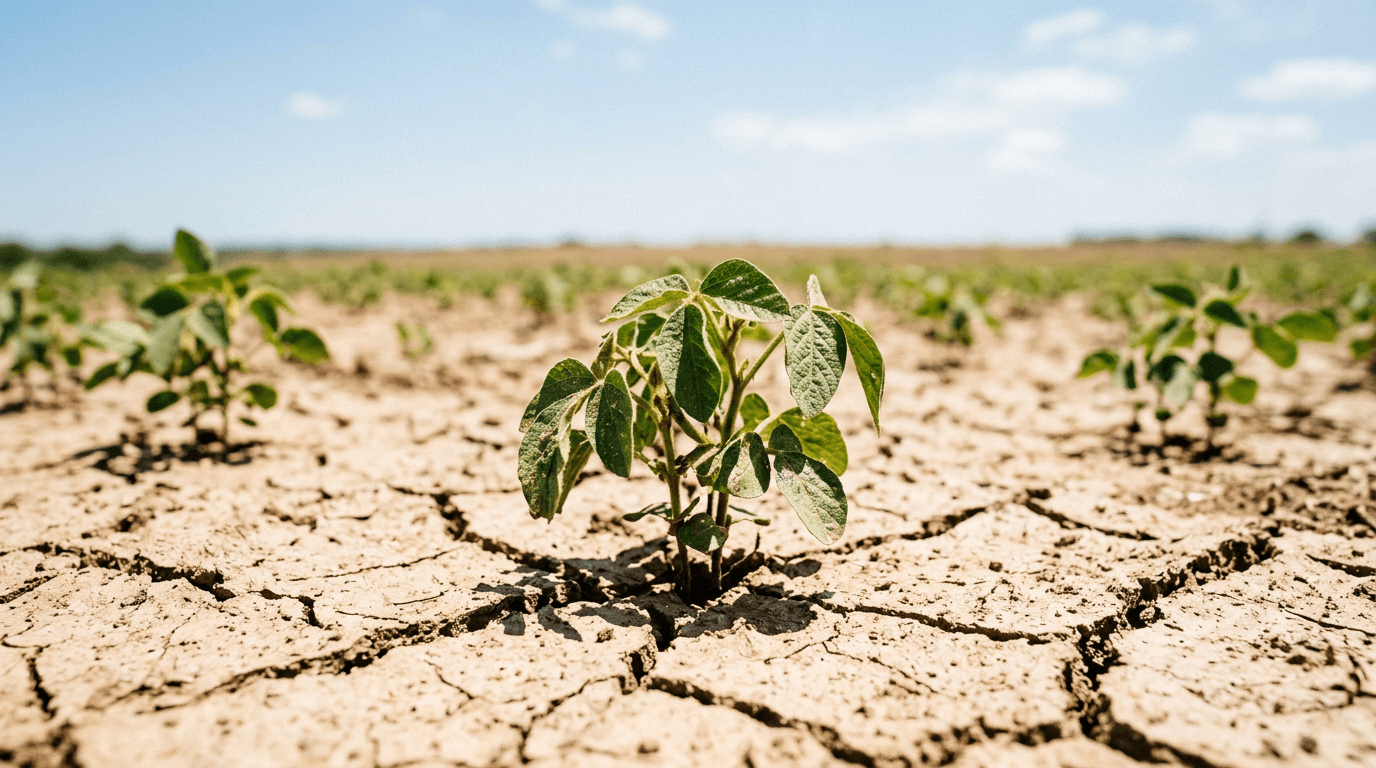
American grain traders tracking agricultural commodities are keeping a close eye on South American weather patterns as localized disruptions threaten to complicate early-season projections. While overall soybean planting across Brazil has progressed at a rapid clip, a persistent dry spell in the country's northern agricultural frontier is raising concerns about early crop development.
In the western portion of Bahia state, a critical agricultural hub, fields have experienced consecutive dry days with minimal precipitation. This lack of moisture has introduced localized crop stress in the Matopiba region—the fast-growing agricultural frontier spanning the states of Maranhão, Tocantins, Piauí, and Bahia.
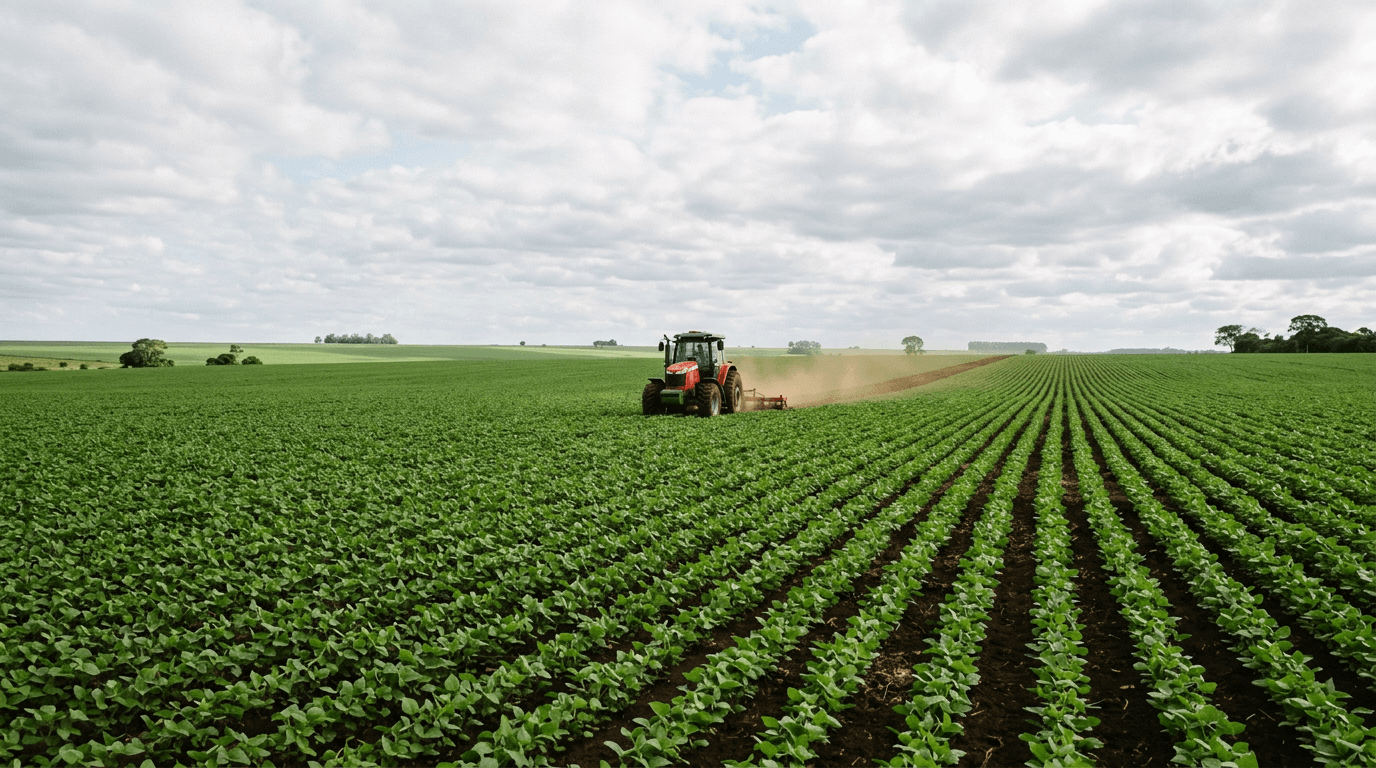
The dry spell in Bahia stands in contrast to the rapid progress seen in Brazil’s primary growing regions. According to data from the National Supply Company (CONAB) released on October 29, 2026, Brazilian farmers had planted 42.8% of the projected national soybean area. This pace outstripped both the 34.8% recorded at the same point in the previous year and the five-year historical average of 40.2%. Mato Grosso, the country's largest agricultural producer, led the national expansion with 75.8% of its planned area sown.
However, this rapid national average masks the widening moisture deficit in northern states, where early-stage dryness has prevented crops from establishing deep root systems. The regional disparity highlights the climatic volatility that frequently impacts South American yields during the early phases of the southern hemisphere's spring.
For global markets, the volume of Brazilian production remains a critical benchmark. In its October 15, 2026 forecast, CONAB projected that Brazil will harvest a record 181.6 million metric tons of soybeans for the 2026/27 cycle. This massive output is expected to support approximately 118 million metric tons of exports, compared to the United States' projected export volumes.
Market participants have noted that if the dry weather in Western Bahia persists and spreads, it could lead to downward revisions of these record yield projections. Such a supply reduction could contribute to upward pressure on global futures prices, though final production outcomes remain highly uncertain and dependent on late-season rainfall.