Brazil's El Niño Threat Could Tighten Global Soybean Supply, Pressuring Feed Costs
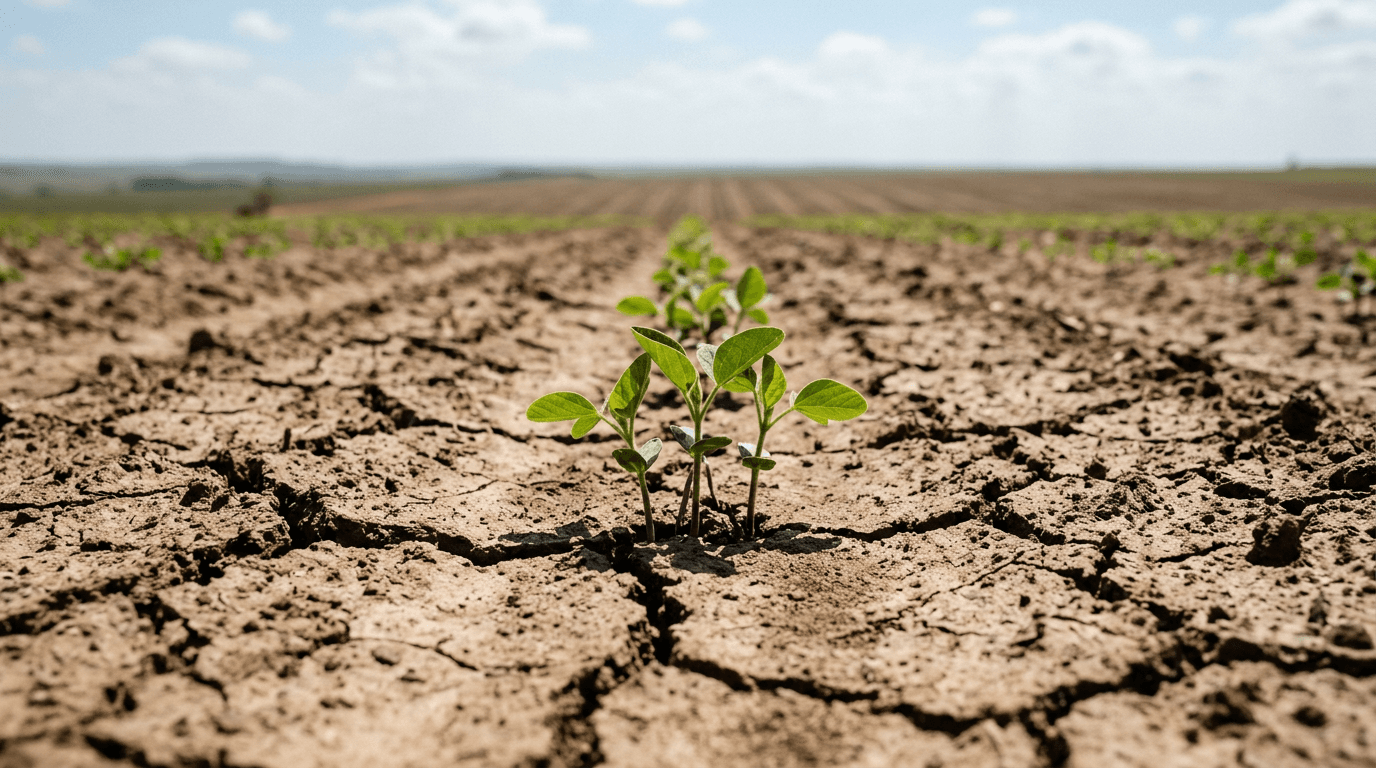
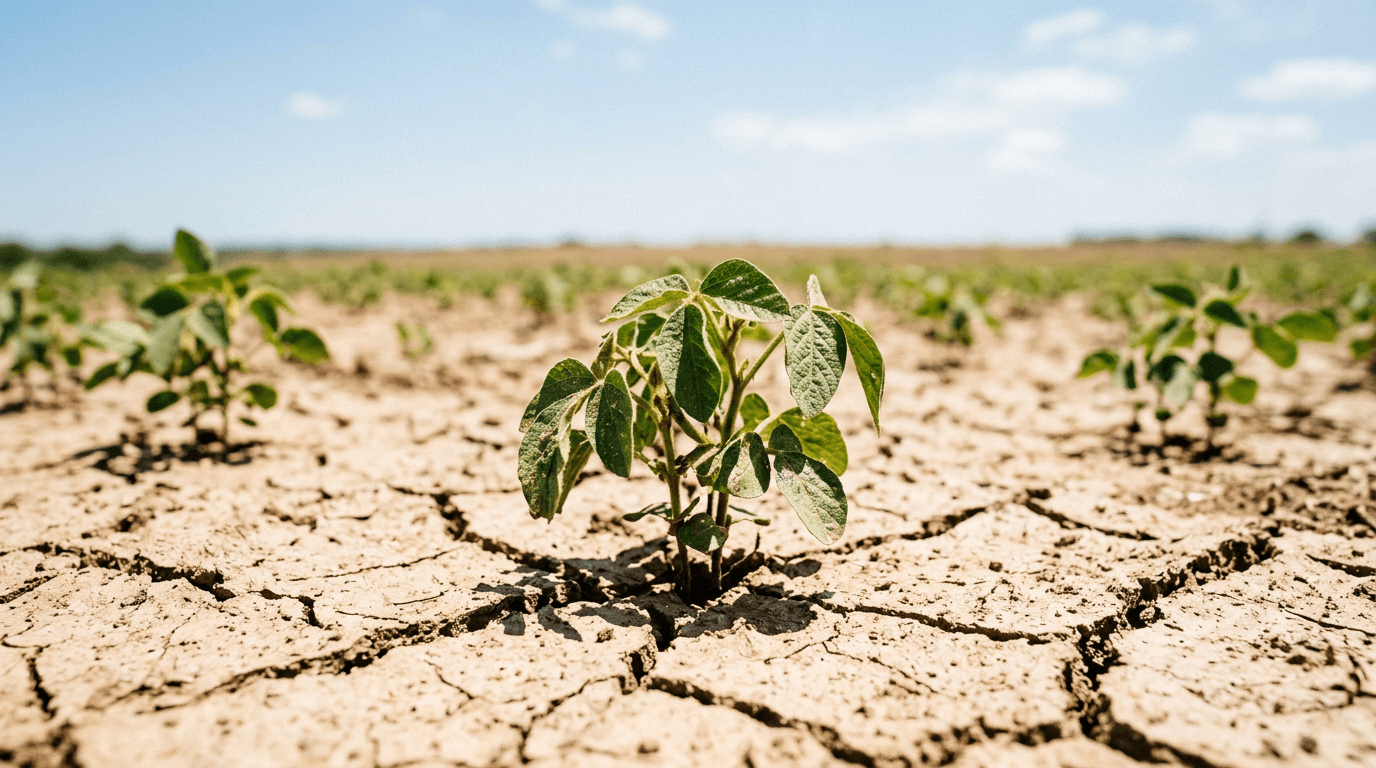
A Serasa Experian study warns that a strong El Niño could slash Brazil's 2026/27 soybean harvest by 9.7%, threatening global supplies and animal feed costs.
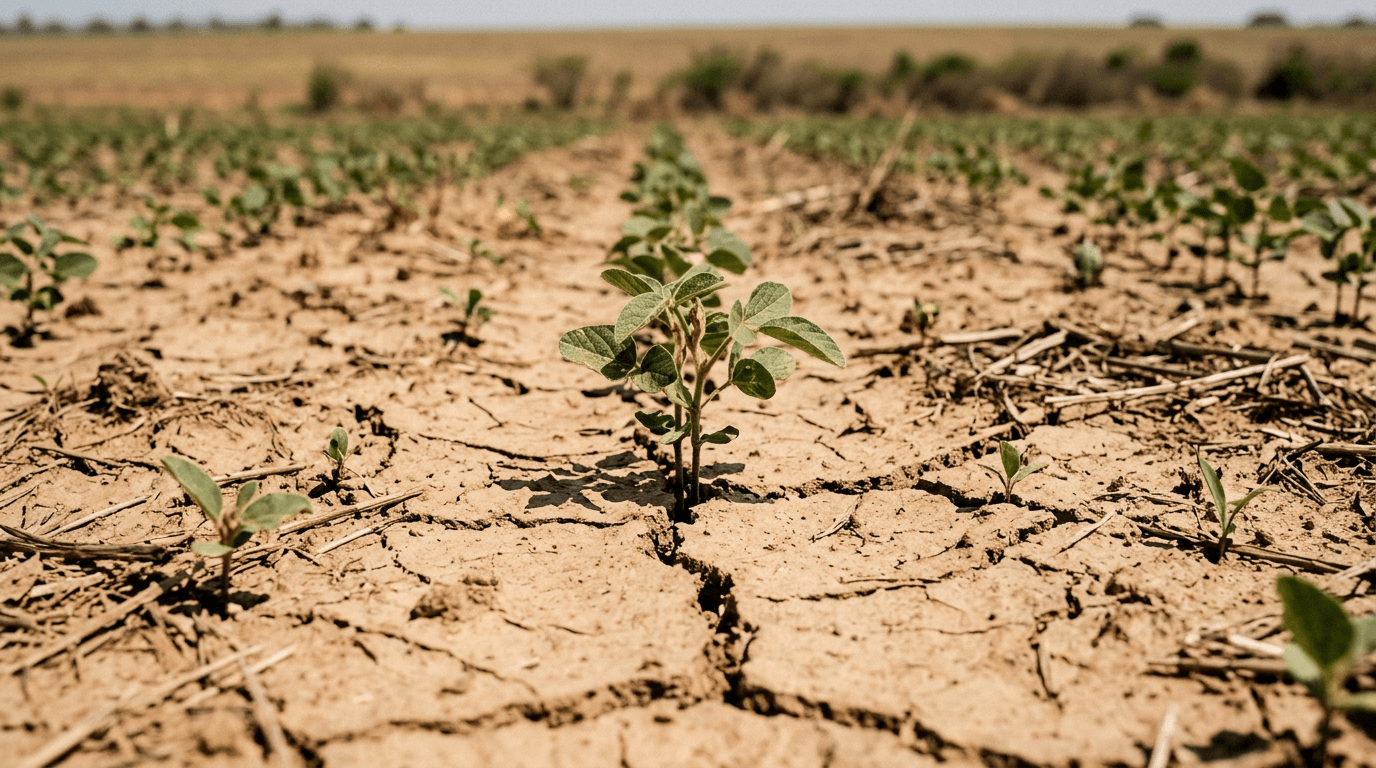
American livestock producers, grain traders, and global agricultural markets are facing a volatile outlook for feed costs as a major climate threat looms over South America. While domestic US grain supplies currently appear stable, any major disruption in the southern hemisphere quickly ripples through Chicago futures markets, raising the cost of soybean meal used to feed cattle, hogs, and poultry.
A comprehensive study released on October 27, 2026, by Serasa Experian—the Brazilian credit research giant owned by Dublin-based Experian—warns that a strong El Niño weather pattern could slash Brazil's 2026/27 soybean harvest by 9.7%. This yield drop would wipe out approximately 17.6 million metric tons of supply compared to a climatologically neutral year, reducing total output from a projected 181.2 million tons down to 163.6 million tons. Serasa Experian estimates the potential economic impact of this weather-driven shortfall at R$ 33 billion ($5.7 billion USD) in Gross Production Value.
The risk is highly concentrated, with the agricultural powerhouse states of Mato Grosso and Goiás carrying nearly 80% of the calculated financial exposure. In Mato Grosso alone, a strong El Niño could drag production down by 9.7 million tons compared to a neutral climate scenario, dropping projected yields from 4,028 kg/ha to 3,266 kg/ha.
Shifting Climate Risks in the Fields
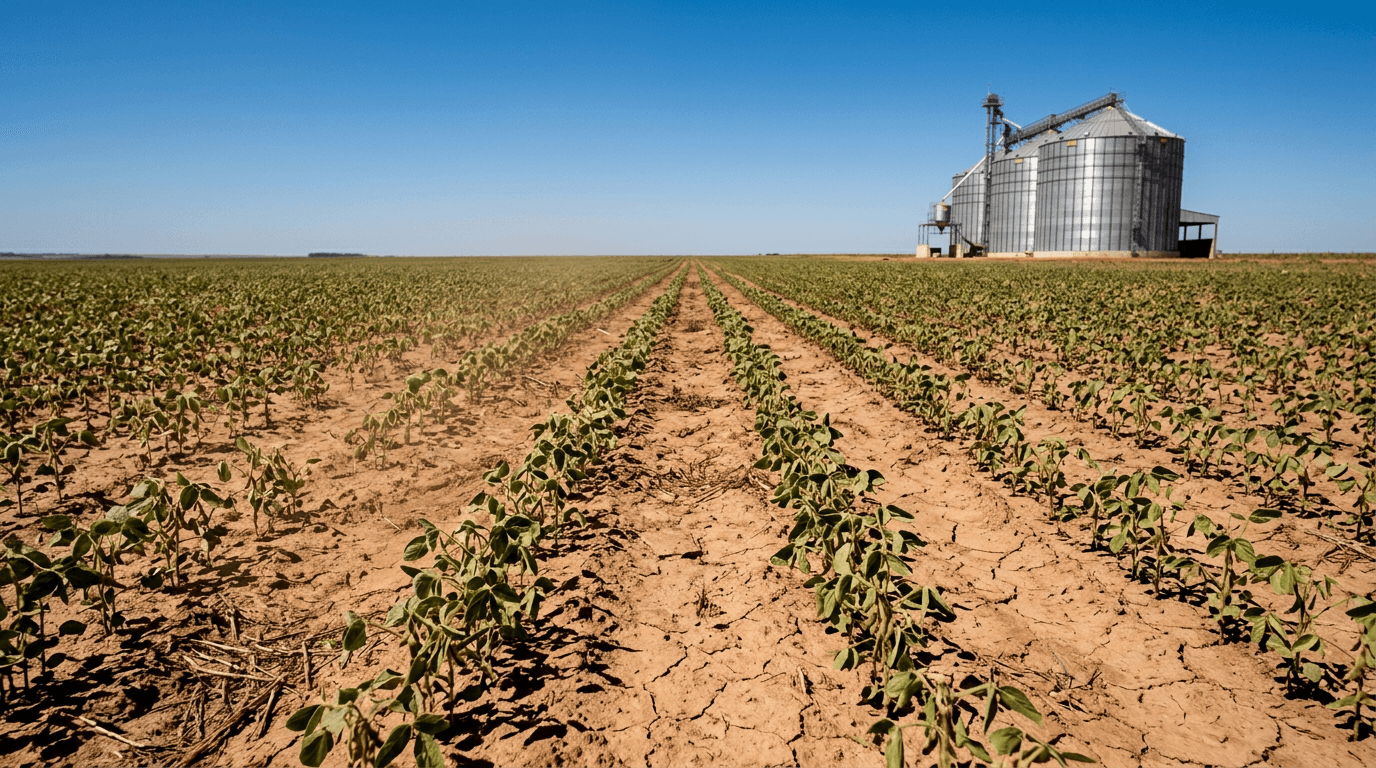
The threat comes just as Brazilian farmers are recovering from a difficult start to the season. In Mato Grosso, severe early-season drought initially stalled machinery, but localized rains allowed fieldwork to rapidly accelerate. According to the Mato Grosso Institute of Agricultural Economics (Imea), the state's soybean planting progress reached 75.81% completion as of October 23, 2026, recovering from a sluggish 10.23% start earlier in the month.
Despite the planting recovery, the risk is far from over. Daniel de Oliveira, the lead agricultural geoprocess manager at Serasa Experian, noted during an October 27, 2026, press conference that the climate risk is now shifting from the initial planting phase to the critical crop development and flowering stages.
The Central Bank of Brazil has previously noted in its monetary policy communications that the impact of El Niño is highly uneven across the country. While southern states like Rio Grande do Sul typically see productivity gains during El Niño due to increased rainfall, severe negative impacts are heavily concentrated in the Center-West and the northern Matopiba region—an agricultural frontier spanning Maranhão, Tocantins, Piauí, and Bahia.
For global agricultural markets, the stakes are high because Brazil is the world's largest exporter of soybeans. While local agencies like the government's National Supply Company (Conab) are still projecting record national harvests based on normal weather, the sudden supply contraction modeled by Serasa Experian would force global buyers to scramble to secure alternative supplies.
Global Agribusiness Exposure
For global commodity markets and agricultural supply chains, these potential supply-side shocks directly affect major grain processors. Companies with significant Brazilian sourcing exposure include large multinational grain processors and exporters that operate massive sourcing, crushing, and logistics networks across South America.
These global firms are highly sensitive to South American crop yields, as localized shortages can alter export volumes, redirect trade flows to North American alternatives, and increase the volatility of raw material costs. While a shortfall in Brazil typically drives up global soybean prices, it also increases the operational complexity and sourcing costs for international agribusinesses operating within the region.