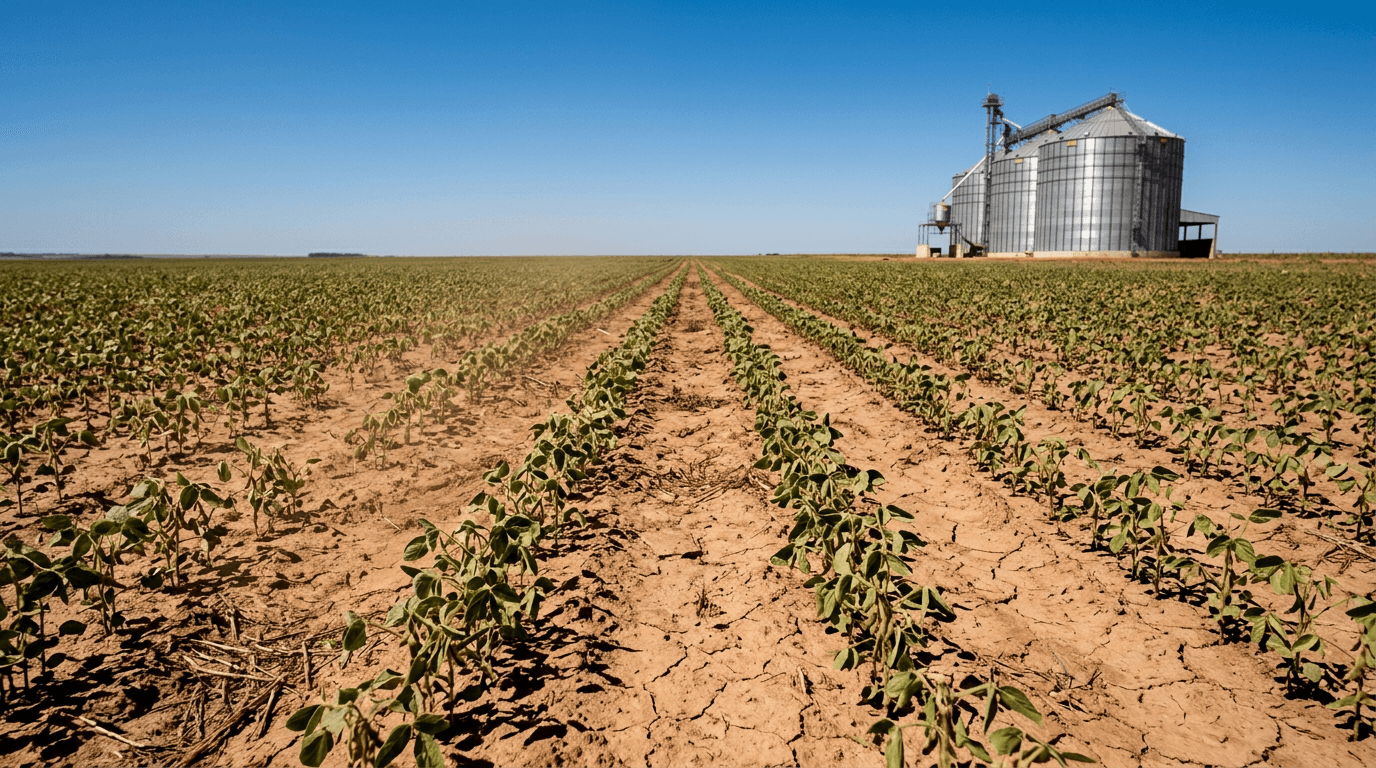
Localized dry spells in Brazil slow northeastern soybean planting
Irregular rainfall in Brazil's northeastern agricultural frontier contrasts with rapid planting progress in the south-central powerhouse regions.
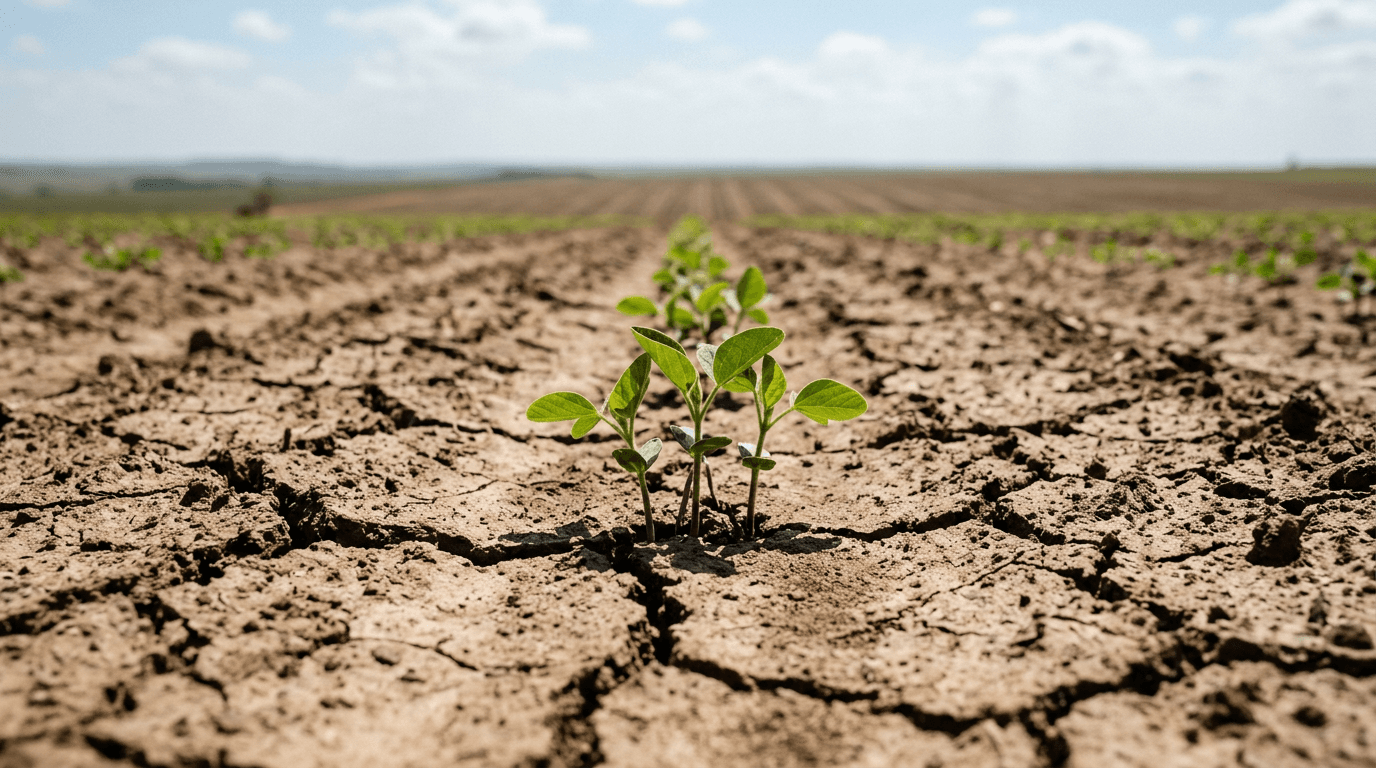
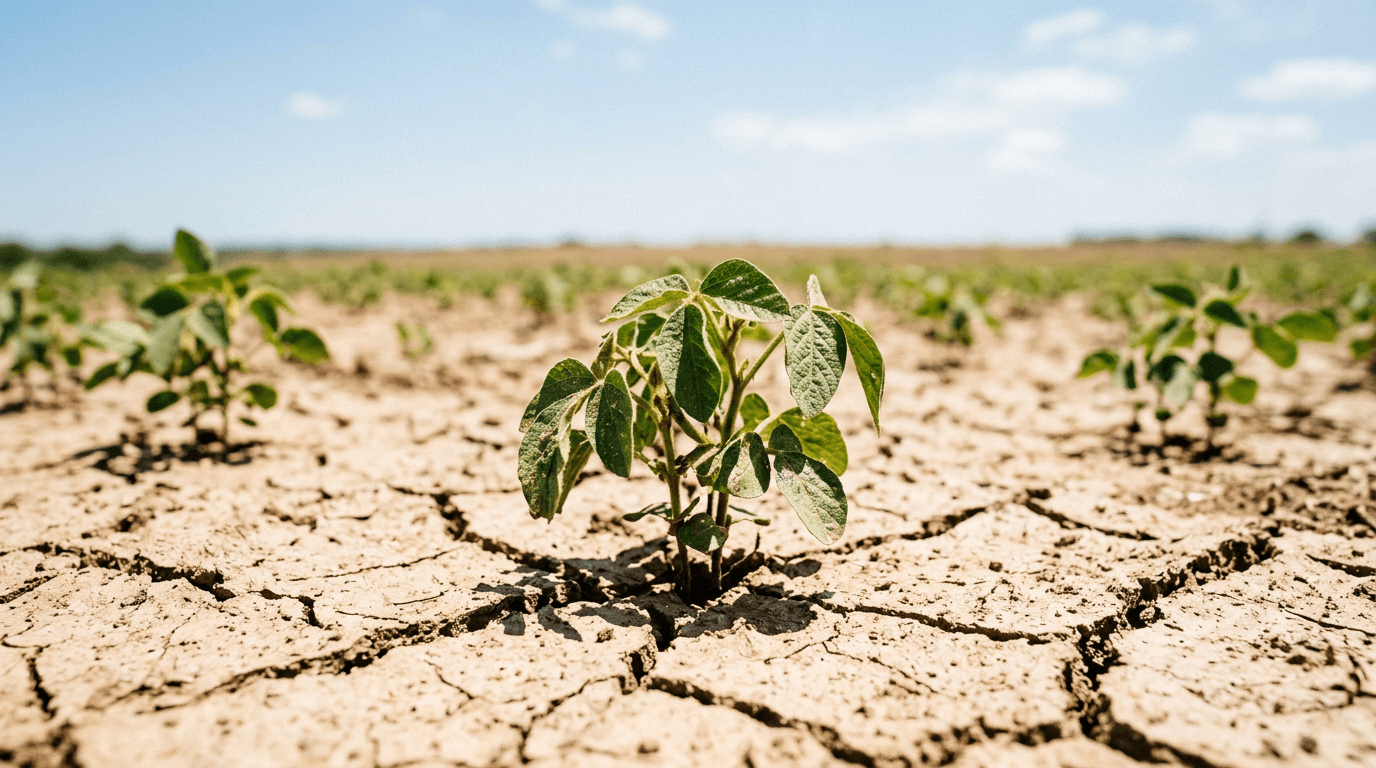
Global grain markets are closely monitoring South American weather patterns as localized dry spells stress newly planted crops in parts of Brazil. While overall seasonal rains have allowed field work to progress rapidly in the country's main agricultural states, a lack of moisture in the northeastern frontier is creating regional disparities that could impact early yield expectations.
The immediate point of concern is the municipality of Luís Eduardo Magalhães, a critical agricultural hub in the western portion of Bahia, a state in Brazil's northeastern farming region. Meteorological data for the week ending October 31, 2026, revealed that the region registered five dry days and accumulated a meager 6.0 millimeters of rainfall over the preceding seven days. This lack of moisture contrasts sharply with southern hubs like Cascavel, in the state of Paraná, which recorded 113.0 millimeters of rain and only one dry day during the same period, illustrating an uneven start to the seasonal rains.
Despite these localized dry pockets, Brazil's national soybean planting campaign for the 2026/27 season is moving at an accelerated pace. According to data released on October 29, 2026, by the National Supply Company (CONAB), the government agency responsible for official crop forecasts, Brazilian farmers had planted 42.8% of the projected national soybean area, ahead of the five-year historical average of 40.2%. Agribusiness consultancy AgRural reported on October 26, 2026, that national planting had reached 40% as central rains allowed fieldwork to gain momentum in the powerhouse state of Mato Grosso.
The uneven rainfall distribution presents a dual narrative for global markets. While the rapid planting progress in central and southern Brazil keeps overall supply expectations high—with CONAB projecting a record national output of 181.62 million tons for the 2026/27 cycle in its October 16, 2026 report—prolonged dryness in the northeastern Matopiba region (comprising Maranhão, Tocantins, Piauí, and Bahia) could cap yield potential.
Agricultural analysts note that if the dry spell in western Bahia persists, it could introduce upward price pressure on global grain benchmarks by forcing localized replanting or stunting early crop development. However, the ultimate impact remains highly dependent on whether regular rainfall returns to the northeast during November to stabilize soil moisture levels.