
Seven-Day Dry Spell Stresses Soil in Brazil’s Key Soybean Belt Ahead of Planting Window
Prolonged lack of rain in major Brazilian grain hubs Sorriso, Rio Verde, and Luís Eduardo Magalhães threatens the timely start of the new soybean crop.
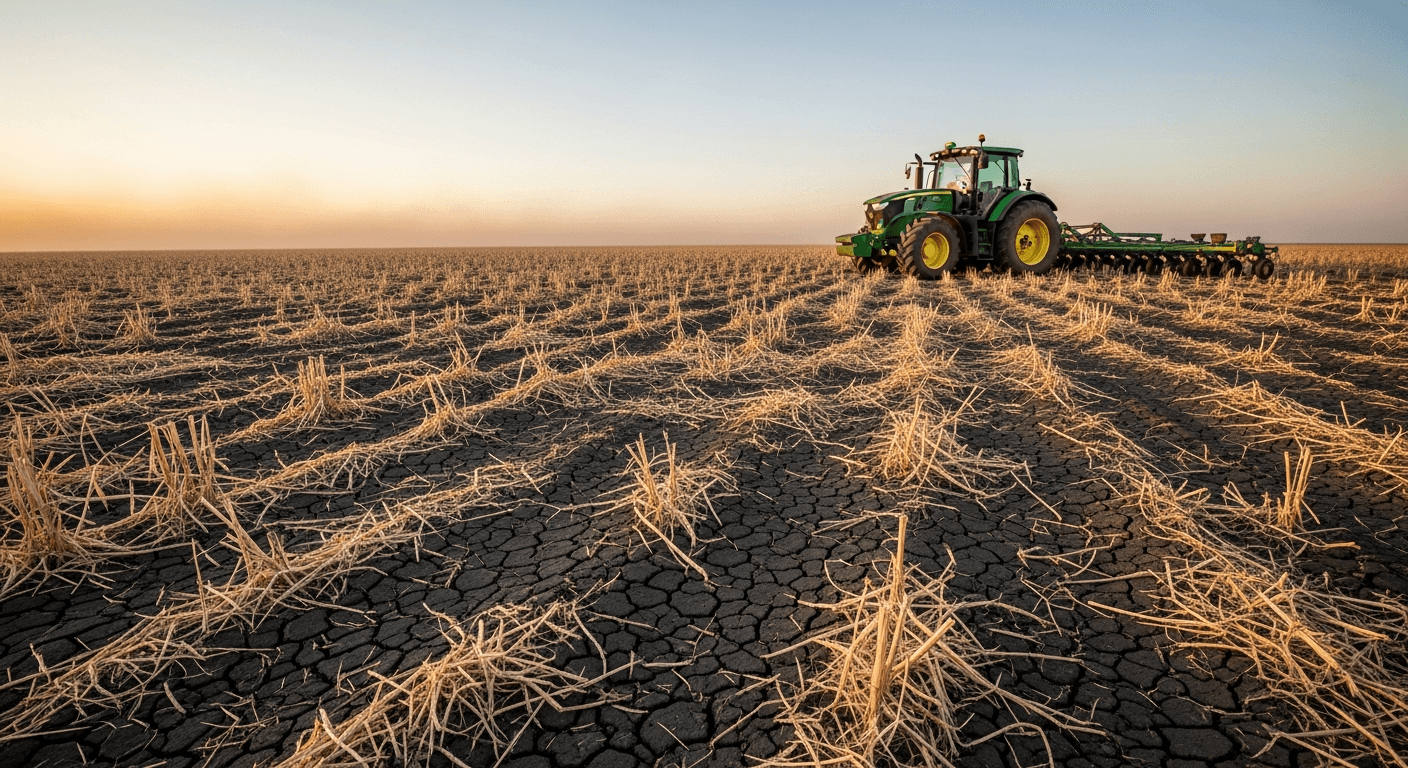
The start of Brazil’s 2026/2027 soybean planting season is under threat after a seven-day dry spell brought zero measurable rainfall to three of the country's most critical agricultural hubs, creating water stress across the Brazilian grain belt. The major cities of Sorriso, in Mato Grosso (MT); Rio Verde, in Goiás (GO); and Luís Eduardo Magalhães, in Bahia (BA), all recorded 0.0mm of rain over the past week, with each experiencing seven consecutive dry days. This prolonged period of dryness is of immediate concern to global commodity markets, as Brazil is the world's largest exporter of soybeans, and timely planting is critical for maintaining global supply.
These three municipalities are anchors of Brazil's modern agricultural expansion into the Cerrado savanna, with Sorriso in the center-west and Luís Eduardo Magalhães representing a key component of the Matopiba agricultural frontier. While farmers are currently observing the "sanitary void"—a government-mandated period designed to starve pests by prohibiting soybean growth—this period is set to end in early September, when planting is scheduled to begin in earnest. The ideal window for planting requires sufficient moisture to ensure rapid and successful germination. However, the current lack of rain is preventing the necessary buildup of soil moisture, which risks either delaying the planting past its optimal window or forcing farmers to "dust-plant" into dry soil, a practice that drastically lowers the chance of a successful initial stand.
The delay is already sending signals to the market. Soybean futures are trading at 1184.5 cents per bushel, up 0.11%, as traders weigh the risk of a potential delay in the world’s most consequential supply chain. The lack of an early, reliable start to the rainy season could compress the planting window, which in turn could delay the soybean harvest and ultimately impact the subsequent planting of safrinha (second-crop) corn. For the producers, the combination of delayed crop establishment and tight margins creates a difficult calculus for the coming weeks.
Farmers across Sorriso MT, Rio Verde GO, and Luís Eduardo Magalhães are now closely watching long-range weather forecasts, hoping for the reliable onset of the seasonal rains. What happens next depends entirely on when the moisture arrives: a significant, widespread rainfall event in the next two weeks would allow the planting season to begin on schedule, but a continuation of the dry trend into September would likely necessitate a downward revision in early production estimates and potentially increase volatility in global grain prices.
What it touches
The prospect of a delayed crop start directly affects the global price of soybeans, currently trading at 1184.5 cents per bushel, as well as the Brazilian currency, the real, which is currently at R$5.1632 to the U.S. dollar. A significant crop issue could create volatility by boosting commodity export prices while possibly weakening the currency due to general economic uncertainty.