Brazil Newcastle Disease Outbreaks Trigger Regional Poultry Export Bans
A fourth outbreak of highly contagious Newcastle disease in Santa Catarina has triggered localized trade bans from major importers, threatening Brazil's poultry supply chain.
Global food supply chains are facing fresh disruptions as key international buyers restrict poultry imports from South America's agricultural heartland. For global commodities traders and retail investors tracking major food processors, localized animal health emergencies are shifting from isolated veterinary events into active trade barriers.
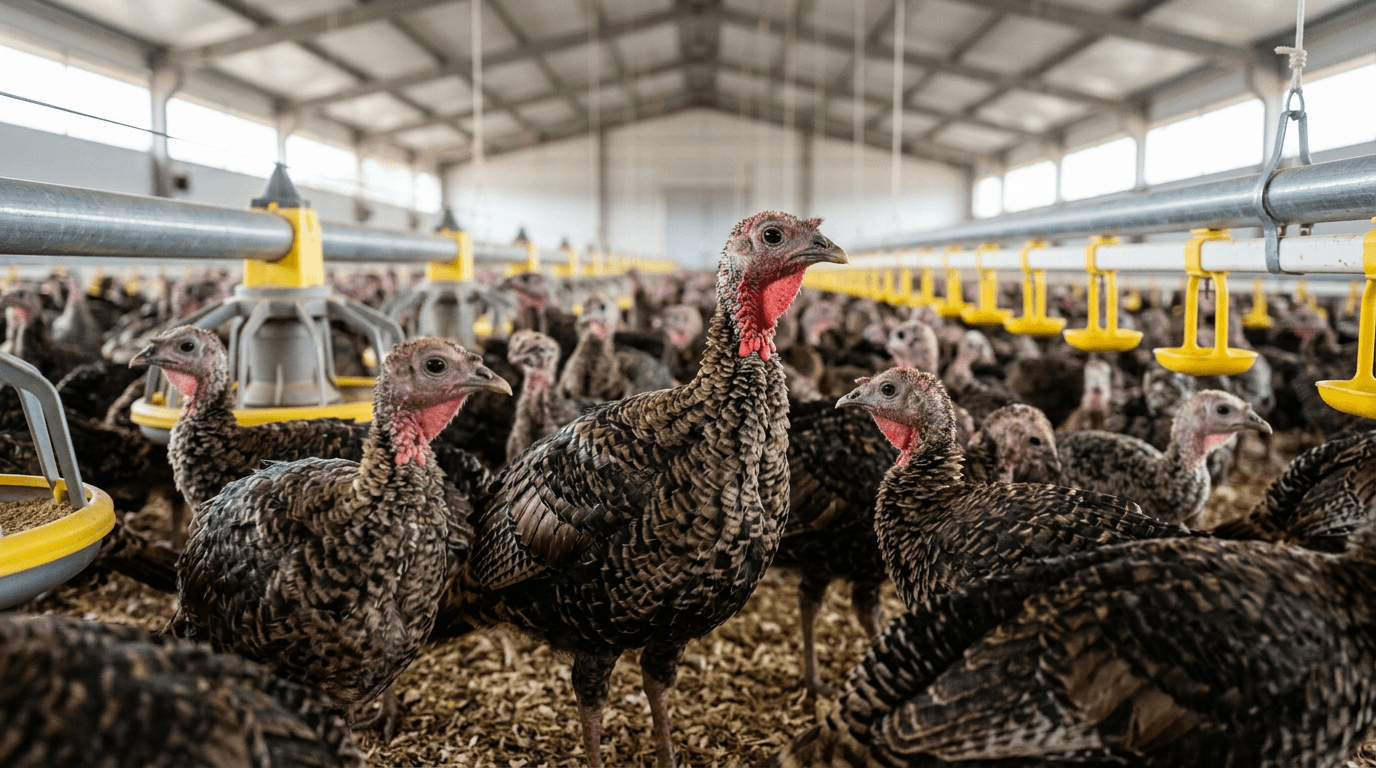
On November 3, 2026, Brazil's Ministry of Agriculture and Livestock (MAPA) confirmed a fourth outbreak of Newcastle disease in the southern state of Santa Catarina. The latest case was identified in a commercial turkey flock in the municipality of Nova Erechim, located within an active zoosanitary emergency zone. According to state agricultural agency Cidasc, more than 47,000 birds had already been culled across the first three outbreak sites in Nova Itaberaba, Coronel Freitas, and Nova Erechim to contain the highly contagious viral infection.
What is Newcastle disease? It is a highly contagious viral disease affecting domestic and wild birds, characterized by respiratory and neurological symptoms that can cause high mortality rates in flocks. While different types of Newcastle disease exist based on viral virulence, the detection of any pathogenic strain triggers strict international protocols. Brazilian authorities have emphasized that the virus poses no risk to human health through the consumption of inspected, cooked poultry products.
However, the trade fallout for the world's largest chicken exporter is immediate. Santa Catarina is a critical production hub, accounting for 13.7% of Brazil's total chicken slaughter in 2025 and approximately 23% of national poultry exports through September 2026. Following the latest outbreak, major importing nations have adjusted their trade policies. China, Mexico, and Malaysia have narrowed their import suspensions specifically to poultry originating from Santa Catarina. Meanwhile, Uruguay continues to enforce a nationwide ban on all Brazilian poultry products.
Brazilian agricultural attachés and MAPA officials are actively negotiating with foreign governments to transition remaining nationwide bans into localized, state-specific restrictions. The speed at which these diplomatic channels resolve the trade barriers will dictate the financial impact on major poultry exporters operating in southern Brazil.
In your brokerage app
Major global meat packers with extensive poultry operations in southern Brazil are directly exposed to these localized export bans. Investors holding shares of BRF S.A., which is listed in New York, or the iShares MSCI Brazil ETF, which holds diversified exposure to Brazilian consumer staples and agribusiness, can monitor these regulatory developments through their brokerage accounts.