
JBS Biofuel Division Capacity Exceeds 900 Million Liters Annually, Scaling Brazil’s Circular Economy Model
JBS’s Biopower division has reached an annual production capacity of over 900 million liters of biodiesel by converting meat waste and used cooking oil into clean fuel.
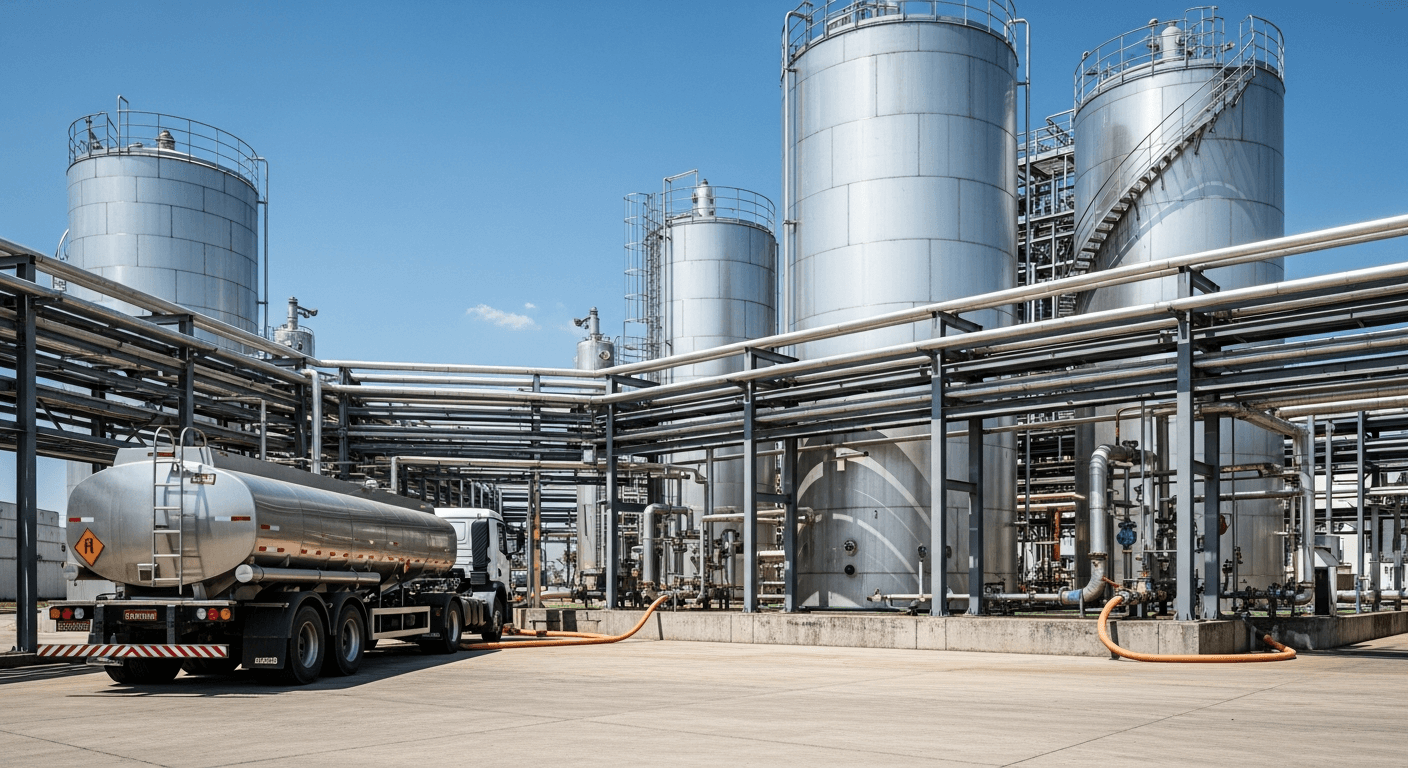
JBS S.A., the world’s largest meat processor, has scaled the production capacity of its Biopower division to more than 900 million liters of biodiesel per year by converting waste from its massive agricultural operations and collecting used cooking oil across Brazil. The capacity positions the Biopower division, which uses more than 12 types of waste, as one of Brazil's top five biodiesel producers and underscores the company’s push into renewable energy and its commitment to a circular economy model. The division's three industrial-scale plants—located in Lins, São Paulo; Campo Verde, Mato Grosso; and Mafra, Santa Catarina—now form a core part of the supply chain that turns material that would otherwise be costly industrial residue into high-value biofuel.
This biofuel capacity is a critical component of JBS’s broader corporate ambition to achieve Net Zero emissions by 2040. For a company that processes millions of cattle, pigs, and poultry each year, extracting value from waste is a major logistical and environmental advantage: Biopower’s main feedstock is animal tallow and grease, effectively converting meatpacking byproducts into a low-carbon energy source. This strategy, which reuses up to 99% of a processed bovine, helps Brazil’s largest agribusiness company reduce its reliance on external energy sources and mitigate the environmental impact of its core operations.
The expansion in production capacity comes as Brazil’s government pushes for higher blend mandates for the fuel. The national requirement for the mix of biodiesel into standard diesel is currently at 15%, but is set to increase further, with plans to reach 20% (B20) by 2030. This regulatory tailwind ensures a rapidly growing domestic market for biofuels and provides a clear incentive for producers like Biopower to invest in new technologies, such as enzymatic esterification, which allow for greater flexibility in using diverse raw materials and converting co-products into more fuel.
By turning processing residue and urban waste—like used cooking oil collected through programs across Brazilian municipalities—into a clean energy input, JBS is helping to solidify Brazil’s global reputation as a leader in sustainable fuel production. This waste-to-energy model not only diversifies JBS’s business but also supports the nation’s energy transition goals by reducing the carbon footprint of transport and promoting the responsible disposal of industrial and urban oils, preventing the contamination of massive volumes of water.
What it touches: As a core division of the world’s largest meat processor, the success and scaling of JBS’s Biopower operations affects the company’s traded securities (JBS S.A. on the B3 stock exchange) and is a factor for investors looking at the future and sustainability profile of Brazilian agribusiness and the broader biofuels sector. The conversion of a waste product into a source of revenue, at this scale, provides an additional margin of value capture for the meatpacking giant.