
Brazilian Firm Develops Biofungicide to Cut Reliance on Imported Soy Crop Chemicals
Bioma, part of the Cogny group, launched Metabolic Protection, the first 100% metabolite-based biofungicide developed in Brazil, challenging foreign dominance in the crucial crop protection market.
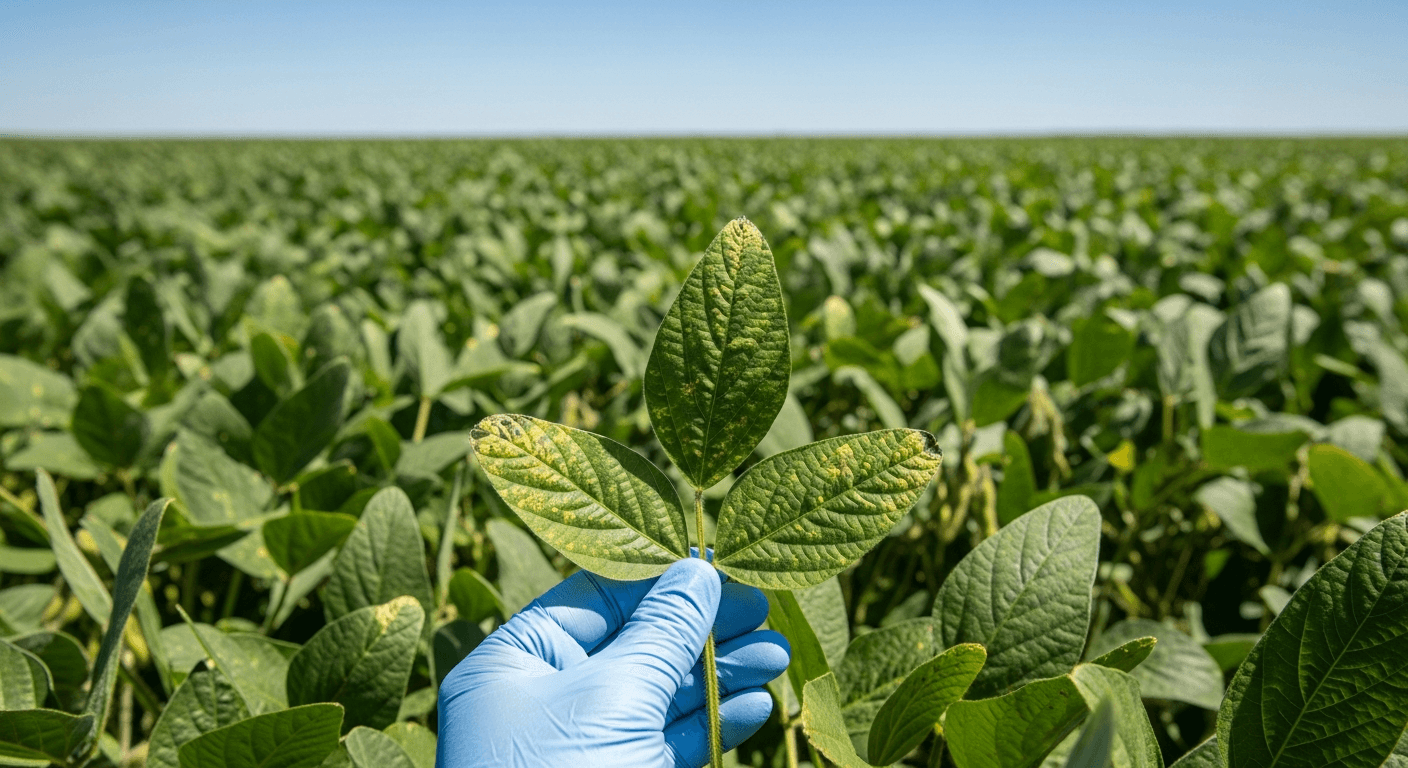
A Brazilian technology company has registered the country’s first 100% metabolite-based biofungicide, marking a significant step toward technological sovereignty in the massive agriculture sector and reducing dependence on expensive imported chemicals. Bioma, part of the domestic Cogny group, announced the commercial registration of the product, named Metabolic Protection, after five years of research. The biofungicide is specifically approved for use on Brazil’s soybean crops, the world’s largest, to manage key diseases like anthracnose and target spot, which can severely impact yields.
This technological breakthrough challenges foreign dominance in Brazil’s agricultural defensive products market, a sector valued at over $13 billion. While traditional biofungicides use live microorganisms, Metabolic Protection is formulated with bioactive molecules, or metabolites, creating a new mechanism of action previously supplied almost exclusively by multinational companies. The goal for Cogny, whose research center, Orygen, focuses entirely on biological solutions, is to capture a piece of the critical fungicide segment, which represented an estimated US$6.5 billion of the total defensive market in 2025.
Brazil, a global agricultural superpower, remains profoundly vulnerable to international supply shocks and foreign exchange volatility due to its high reliance on imported crop inputs, from fertilizers to pesticides. For farmers, who are already dealing with high input costs, this new biological solution provides a fully domestic alternative, potentially lowering costs and providing more stable supply. The move is central to national strategies aimed at increasing local production of crop inputs. The Brazilian Real is currently trading at R$5.2008 to the U.S. Dollar.
The timing of the new product, launched at a major national inputs congress, signals the growing maturity of Brazil’s bio-inputs sector. The fight against fungal diseases remains critical for the soybean industry, especially in humid regions that battle anthracnose and target spot. Moving forward, Bioma has indicated plans to seek registration for use in other major crops, including beans and cotton, suggesting this is the first step in a broader push to replace chemical inputs with domestically produced biological alternatives.
What it touches The innovation creates a competitive advantage for domestic companies like Bioma (Cogny group) against foreign-made chemical products that dominate the agricultural inputs market. It highlights the fast-growing bio-inputs sector, which is increasingly a focal point for investment as the world’s largest commodity producers seek more sustainable and locally-sourced crop protection solutions.