
Brazil Threatens ‘Reciprocal Measures’ After EU Blocks $1.84 Billion in Meat Exports Over Antimicrobial Use
Brasília warns of trade retaliation after the EU’s veto on beef, poultry, and honey imports takes effect, escalating a dispute that undermines the Mercosur-EU trade deal.
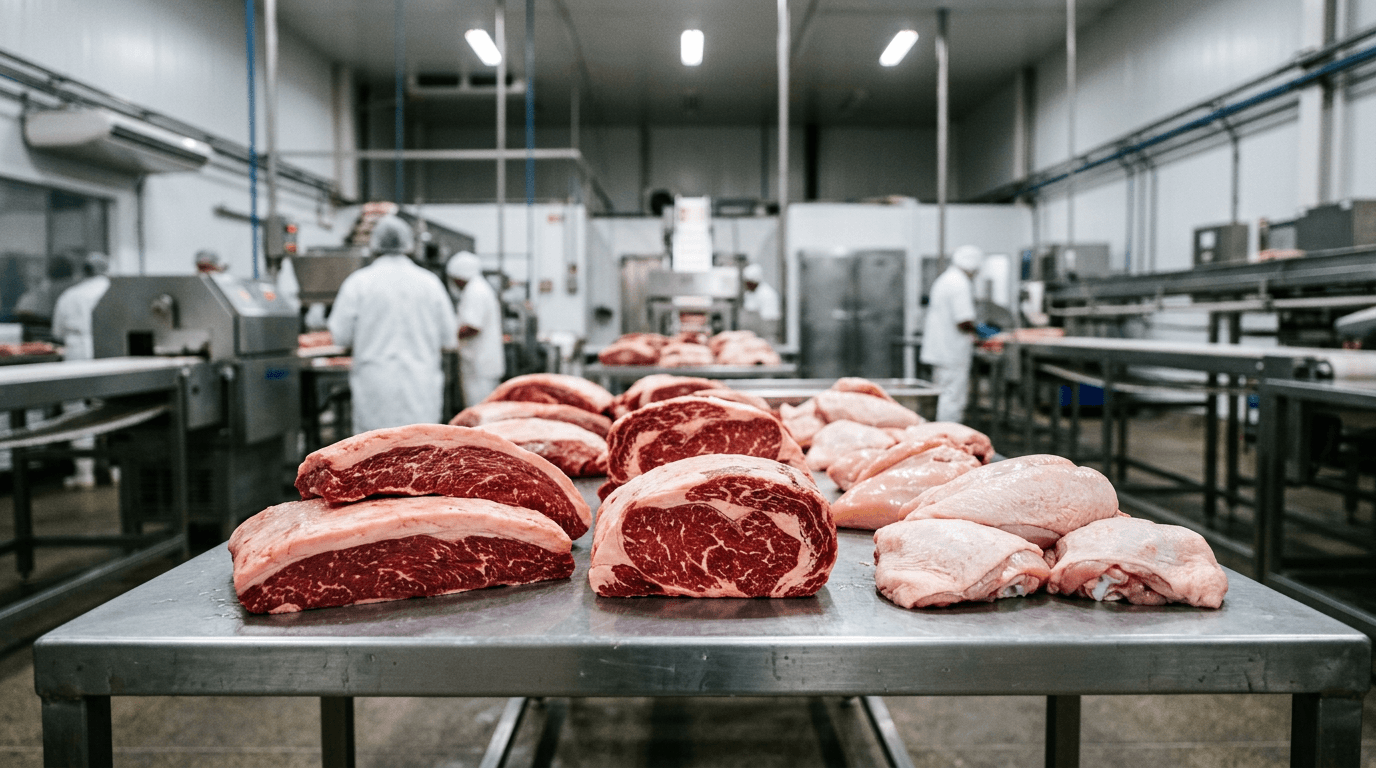
Brazil’s government has escalated a major trade dispute with the European Union, threatening to use “reciprocal measures” after an EU ban on Brazilian animal-origin products took effect on September 3. The suspension, which targets beef, poultry, eggs, honey, and other exports, is based on Brasília’s failure to comply with new EU rules concerning the use of antimicrobial substances in livestock production, creating a diplomatic flashpoint that puts nearly $1.84 billion in annual Brazilian exports at risk.
The European Commission’s decision to remove Brazil from its list of authorized suppliers stems from its "One Health" strategy to combat antimicrobial use resistance, extending strict standards already applied to European farmers to third-country exporters. Brazil’s foreign and agriculture ministries responded with a joint statement criticizing the veto as a protectionist move adopted without prior consultation. The ministries stated the government reserved the right to use "appropriate instruments," including Brazil trade reciprocity law actions, if ongoing negotiations fail to yield a satisfactory solution to restore market access.
The financial blow is significant, with the EU representing a high-value market for premium Brazilian cuts. The $1.84 billion affected trade flow is dominated by beef, which accounted for $1.05 billion in 2025, and chicken, which totaled $763 million. Furthermore, the timing of the dispute undercuts the goodwill established by the provisional entry into force of the long-negotiated Mercosur-EU Agreement. Brazilian officials argue the import ban contradicts the spirit of the deal, as the affected products were specifically slated for quotas and tariff reductions in the free trade accord. While Brazil has intensified technical talks and submitted documentation, the EU has maintained that insufficient guarantees were provided to meet its rigorous sanitary standards.
This diplomatic and commercial standoff adds immediate uncertainty for Brazil’s crucial agricultural sector. While both sides remain in dialogue—with EU inspectors recently reviewing Brazil’s poultry and honey production systems—the threat of trade retaliation looms. The immediate next step is for the technical findings of the EU inspections to be formalized, which will determine the pace of future negotiations and whether the threat of reciprocity measures is acted upon.
What it touches The ban and the threat of retaliation directly increase geopolitical trade risk for major Brazilian animal protein exporters, including publicly traded giants like JBS, BRF, and Marfrig. The escalating trade tension could put pressure on the Brazilian real, which is currently trading at R$5.1247 to the U.S. Dollar.