
Brazil's Beef Sector Projects EU Market Re-Entry in 2027 Amid Antimicrobial Ban
The Brazilian Association of Meat Exporting Industries projects beef exports to the EU will resume in the first half of 2027, following a suspension over antimicrobial use.
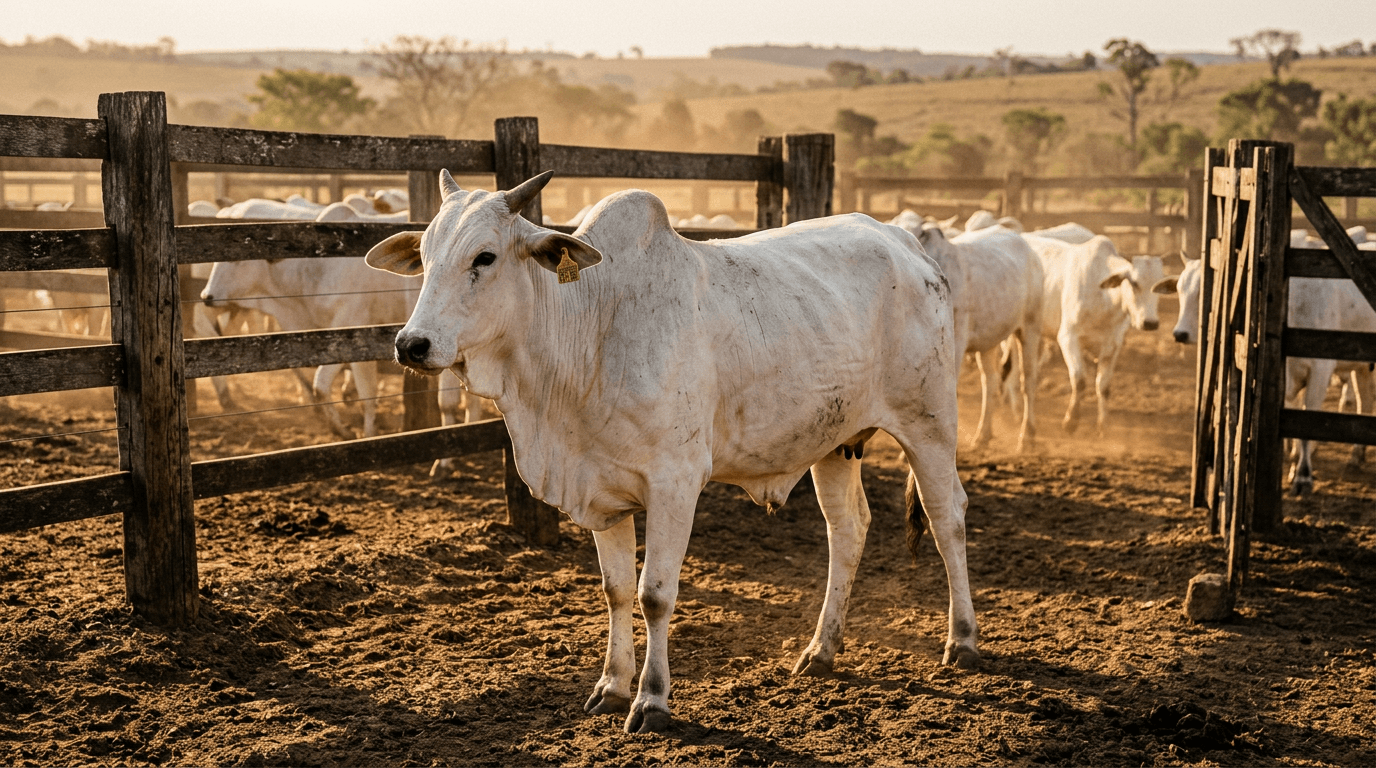
The Brazilian Association of Meat Exporting Industries (Abiec) projects that the country's beef exports to the EU market will not resume until the first half of 2027, following a trade suspension imposed by Brussels over the use of antimicrobials in livestock production. Shipments were halted on September 3, 2026, after Brazil failed to provide the European Commission with sufficient guarantees that its control systems could trace cattle's entire life cycle to ensure they had not been given restricted antibiotics or growth promoters.
The EU's requirement is a regulatory hurdle, not a finding of contamination, but it demands traceability from an animal’s birth to slaughter. For beef cattle, this process takes approximately two years, making a swift fix virtually impossible under current rules. The suspension affects a significant volume of trade, as the EU was Brazil’s second-largest beef market in 2025, accounting for over 92,000 tonnes and roughly $1 billion in annual sales.
To accelerate the process, the Brazilian government is being pressed by Abiec and other industry groups to negotiate a 'transition period' with the European Commission. The goal is to shorten the effective two-year window required to fully certify a new herd under the strict EU rules. While the Brazilian meatpackers sector has developed a private sanitary protocol to monitor the non-use of antimicrobials, Abiec's president, Roberto Perosa, stated that its restoration to the list of authorized countries and the actual resumption of sales depends entirely on the EU's acceptance of this new protocol and the proposed transition period.
The core of the problem lies in the difficulty of certifying a long-cycle product like beef to standards that require lifetime tracking, a compliance mechanism the EU did not feel was adequately demonstrated by Brazil's official systems. The Commission maintains that trade can resume once Brazil fully demonstrates compliance.
The next event to watch will be the outcome of the ongoing technical negotiations between Brazil’s Agriculture Ministry and European authorities, who must validate the new private-sector protocol. Should the EU accept the terms, a timeline for the re-listing and the resumption of Brazilian beef exports could be set before the end of the year, though shipments are not expected to flow again before 2027.
What it touches
The prolonged trade suspension impacts major Brazilian protein exporters, including giants like JBS, Minerva, and Marfrig, who rely on the EU for access to a high-value, premium market for specific beef cuts. A delay in resolving the issue forces these companies to divert product to other major markets, such as China and the United States, potentially affecting price realization.