Bradesco’s Q2 Profit Jumps 16.2%, ROE Surpasses Cost of Capital as Selic Easing Cycle Commences
Bradesco (BBDC4) reported R$7.1B recurring net income for Q2 2026, pushing its ROE above Brazil's new 14.00% Selic rate.


Bradesco (BBDC4) reported R$7.1B recurring net income for Q2 2026, pushing its ROE above Brazil's new 14.00% Selic rate.
Petrobras (PETR4) reports Q2 results after market close, with analysts forecasting a dividend up to US$3.5B fueled by near-$100 oil.
The Ibovespa stalled as Petrobras (PETR4) shares fell ahead of 2Q earnings and a pivotal dividend announcement, overriding a new 25bp Selic cut.
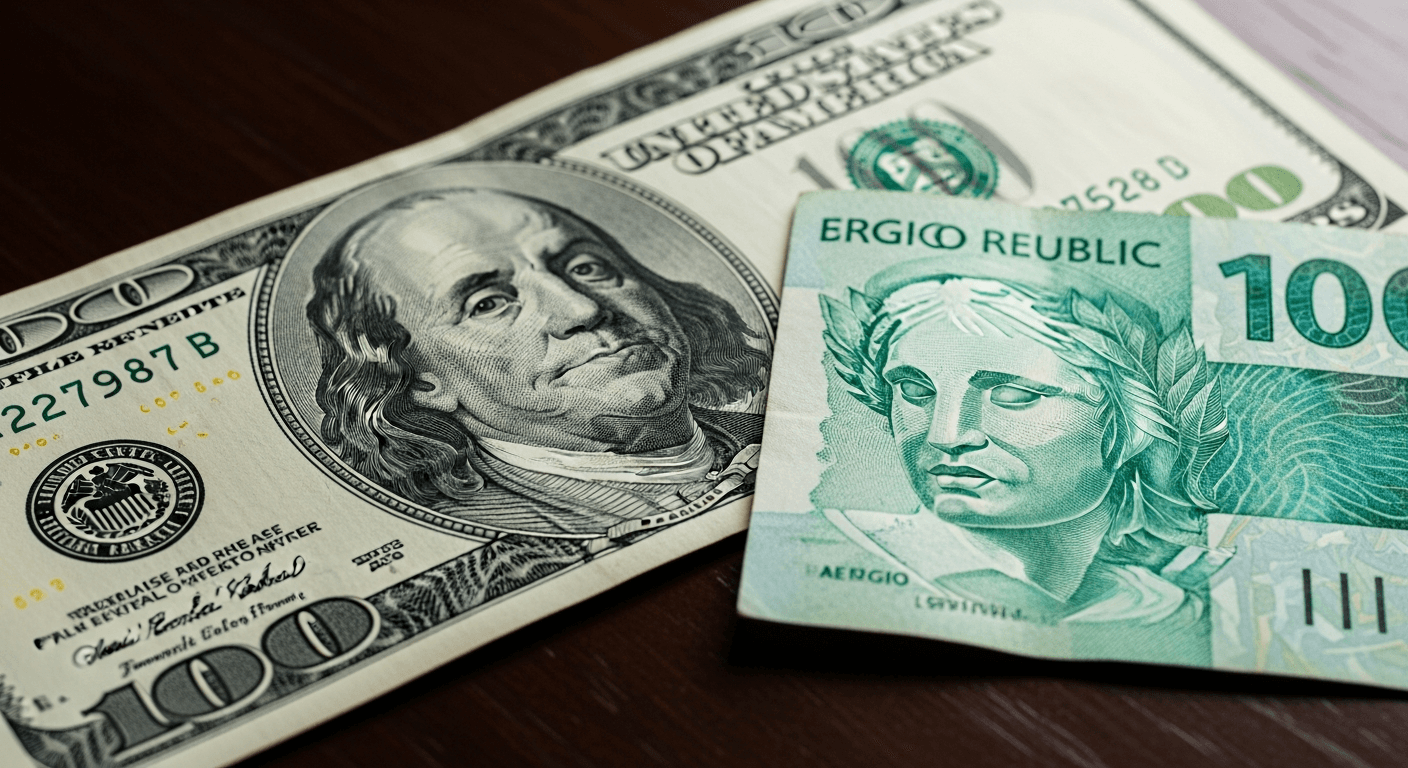
The Brazilian Real is trading under pressure after the US revoked the visa of Brazil's Ambassador, signaling political risk.
Banco Bradesco reported R$7.1B in Q2 recurring net income, beating estimates, as Return on Equity hit 16.2% against the new 14.00% Selic.
The Brazilian Real faced a sharp climb in volatility after US-Brazil diplomatic tensions escalated, driven by a visa revocation.
Brazil's COPOM cut the Selic rate by 25 bps to 14.00%, extending the easing cycle but maintaining a restrictive policy.
Extreme net-long positioning in soybean futures by large speculators points to bullish sentiment but raises risk of liquidation.
Brazilian oil producer PRIO (PRIO3) reports record Q2 adjusted EBITDA of US$879M on deep cost cuts, fueling expectation for a new dividend policy.
Banco Bradesco (BBDC4) reported Q2 2026 recurring net income of R$ 7.05 billion, with Return on Equity (ROE) climbing to a robust 16.2%.
Brazil’s central bank cut the Selic rate by 25 basis points to 14.00%, a move that was fully priced in, stabilizing USD/BRL.
Copom cut the Selic benchmark interest rate by 25bps to 14.00%, but the communique signals caution on the pace of future cuts.
The Brazilian real sharply depreciated, hitting R$5.13 this week as a US-Brazil diplomatic row introduced a severe geopolitical risk premium.
Large speculators' net-long position in soybean futures hit 123,705 contracts, reflecting strong optimism in Brazil's top export.
Brazilian retailer GPA (PCAR3) posted a R$204 million net loss in Q2 2026, as operational gains were overwhelmed by high interest expense.
Itaú Unibanco (ITUB4, ITUB ADR) reported R$12.4B recurring net income with high ROE, but tempered outlook for fee income.
A sharp drop in crude oil prices combined with renewed political uncertainty pushed the BRL to its weakest close since mid-July.
Copom delivered the widely expected 25 basis point cut, turning all focus to the communiqué's signal on future easing.
Non-commercial traders are heavily net-long soybeans, a crowded trade that could intensify volatility for Brazilian agribusiness assets.
Itaú Unibanco reported a strong R$ 12.4 billion Q2 recurring profit, but a surprise cut to its fee income forecast weighed on the B3 stock.
Iguatemi reported a 22.1% rise in pro forma recurring profit for Q2, allowing investors to value core operations over the temporary consolidated loss.
Central Bank of Brazil is set to cut the Selic rate by 25bp, but market focus is entirely on forward guidance.
A major bank maintains a cautious long-term forecast for the USD/BRL exchange rate, citing structural limits to the Real's appreciation.
The Brazilian real depreciated sharply following an escalation of US-Brazil diplomatic tension and fresh Middle East geopolitical risk.
Large non-commercial traders held a 123,705 net-long position in soybean futures, a key indicator for Brazil agribusiness.
Itaú reported R$ 12.4B recurring net income and a 24.3% ROE, but cut its fee revenue growth forecast, causing ITUB4 shares to dip.
Colombia’s Ecopetrol closes tender offer for Brazil’s Brava Energia (BRAV3) on the B3, aiming for a controlling stake.
Brazil’s Central Bank is expected to cut the Selic rate by 25bps. Forward guidance on the easing cycle is the key market catalyst.
The Brazilian Real's recent weakness highlights an elevated correlation with crude oil prices, pushing the USD/BRL pair higher despite a softer U.S. Dollar Index (DXY).
The Brazilian Real was the worst-performing liquid currency against the dollar as US sanctions threats amplified political risk.