US Tech Giants Face Less Regulatory Risk as Brazil Ends Fake News Probe
Brazil's Supreme Court has permanently closed its controversial, seven-year "Fake News Inquiry," easing a major regulatory threat for global digital platforms.
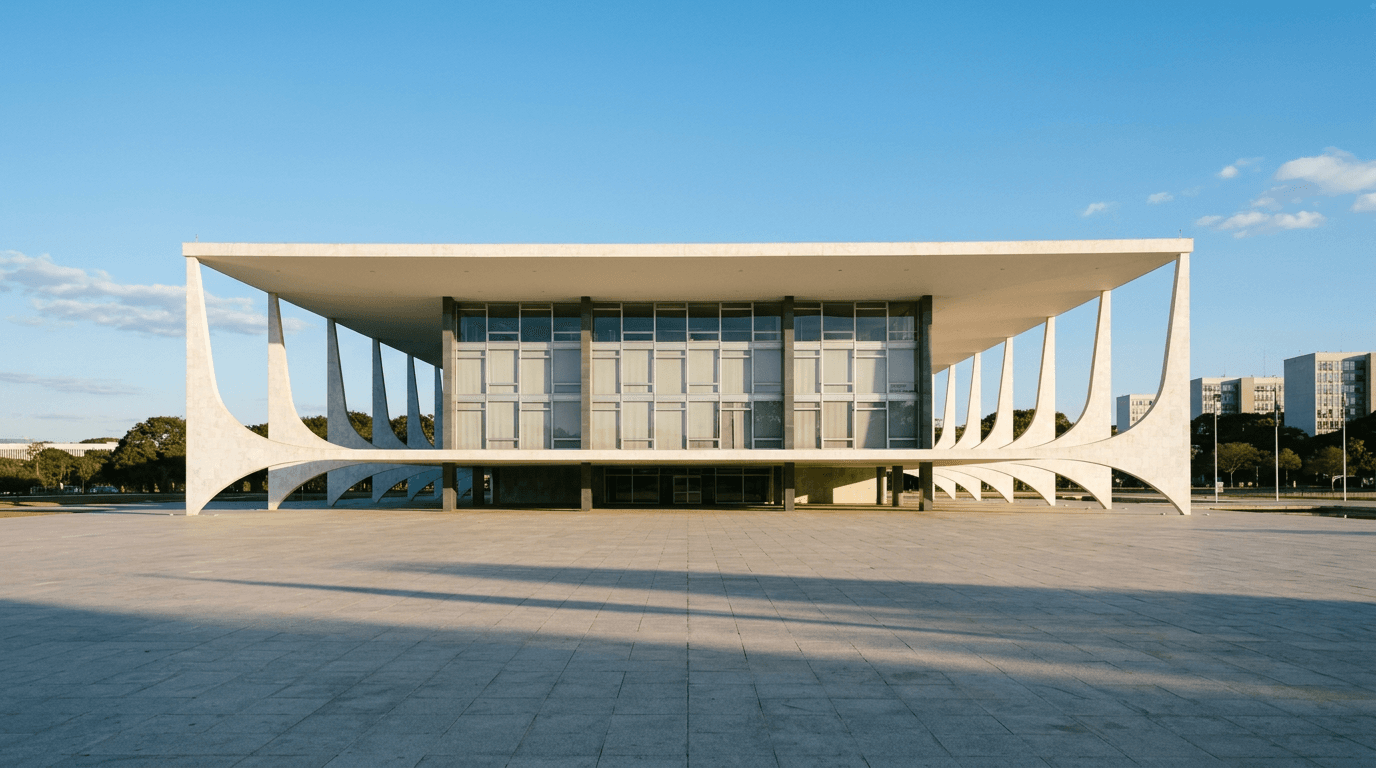
Global technology companies operating in South America just saw a significant reduction in their regulatory and political risk. For years, major digital platforms and social media networks have operated under the shadow of sweeping judicial overreach in Brazil, where local authorities could unilaterally demand account suspensions, data handovers, and compliance under threat of immediate blockages. That pressure has significantly eased with the formal termination of the country's most controversial judicial investigation.
On November 9, 2026, Supreme Court President Edson Fachin ordered the definitive archiving of Inquiry 4781, widely known as the "Fake News Inquiry". The sweeping investigation was originally opened in March 2019 to probe coordinated online disinformation campaigns, threats, and attacks against Brazil's Supreme Court justices. For over seven years, the case was led by Justice Alexandre de Moraes, who became a polarizing figure globally for his aggressive stance on digital speech and platform regulation.
The decision to close the case follows a formal request by Prosecutor-General Paulo Gonet, who argued in a November 9, 2026, filing that the core scope of the investigation had been fully exhausted. While the closure of this "mother inquiry" immediately halts new search warrants and unilateral platform blocks under this specific case, Justice Fachin clarified that existing criminal prosecutions and individual derivative cases already in motion will continue to be analyzed on a case-by-case basis.
For international observers, the "Fake News Inquiry" had long been a focal point of institutional tension. Unlike standard legal procedures where prosecutors or police initiate investigations, this inquiry was opened directly by the Supreme Court itself in 2019, with the court acting as victim, investigator, and judge. The court's defenders argued the extraordinary measures were necessary to protect Brazil's democratic institutions. However, critics and international free-speech advocates viewed the open-ended probe as a threat to due process and a source of unpredictable regulatory risk for foreign tech firms.
With the primary legal mechanism of this seven-year judicial battle now archived, the operating environment in Brazil is transitioning toward a more predictable regulatory framework. Tech companies are expected to face fewer sudden, unilateral judicial orders, lowering the compliance and operational risks of doing business in Latin America's largest economy.
In your brokerage app
For investors holding diversified technology funds or direct shares of US tech majors with large user bases in Brazil—such as Alphabet Inc., Meta Platforms Inc., or Apple Inc., all listed in New York—the closure of this probe removes a persistent headline risk. These companies are heavily held in broad market instruments like the Invesco QQQ Trust, which tracks the tech-heavy Nasdaq-100 index.