
Brazil Court Halts Crypto Exchange's Secret Domain and Pix Migration
A São Paulo court has ordered the administrators of Brasil Bitcoin to return its website domain, customer deposits, and Pix keys following a bitter co-founders' feud.
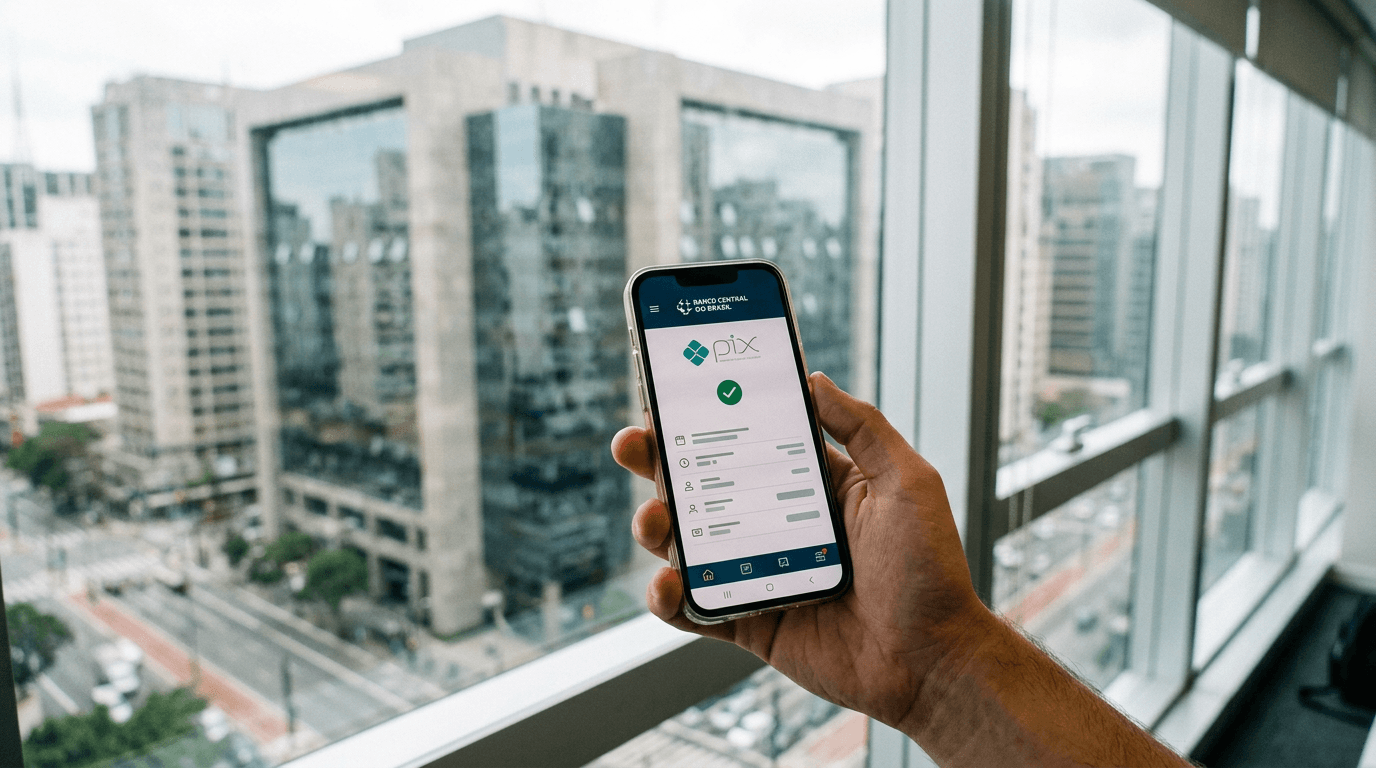
Global cryptocurrency investors accustomed to strict regulatory oversight and clear corporate governance are getting a stark reminder of the unique operational risks in emerging markets. When corporate disputes erupt in the digital asset space, entire platforms, customer funds, and payment rails can be diverted overnight. A major legal clash at one of Brazil's prominent local cryptocurrency exchanges has exposed just how easily digital infrastructure can be redirected during a boardroom feud, threatening retail investor deposits.
On October 23, 2026, Judge Rui Cascaldi of the São Paulo Court of Justice (TJSP)—the state-level brazil court system's appellate division—ordered the administrators of the exchange Brasil Bitcoin to return the company's website domain, customer deposits, and Pix keys within 48 hours. The urgent injunction suspends a unilateral maneuver by co-founders Marco Vinicius Castellari and Jorge de Almeida Alves, who had attempted to migrate the exchange's entire user base, brand, and financial flow to a parallel entity called Brasil 8.
The legal challenge was brought to the brazil court system by co-founder Erick Carlos Castilho Crus, who holds 40% of the original company. Crus was entirely excluded from the new parallel entity, which was operating out of the exact same physical office in São Paulo. Under the terms of the court order, the administrators face a daily fine of 100,000 Brazilian reais (approximately $17,500 USD), capped at 5 million reais, if they fail to comply.
The Anatomy of a Secret Migration
According to brazil court records cited in the decision, the operational hijack took place between October 15 and October 18, 2026. During this window, Castellari and Alves redirected the exchange's web domain, user contracts, and financial flows to Brasil 8, a new entity with a declared capital of 17 million reais. In this new setup, Castellari held a 57% stake, Alves held 38%, and a former commercial manager held 5%, leaving Crus with nothing but a hollow corporate shell.
On October 18, 2026, unsuspecting retail clients received emails instructing them to make deposits via TED bank transfers or Pix—Brazil’s ubiquitous, instant payment system managed by the Central Bank of Brazil—directly into a Stark Bank account held by Brasil 8. The sudden shift bypassed the original exchange's payment rails entirely.
While a lower-court judge, Guilherme de Paula Nascente Nunes, initially declined to intervene on October 19, 2026, citing the principle of minimal judicial intervention in private business, the appellate court reversed the decision. Judge Cascaldi pointed to a formal Shareholder Agreement signed on February 9, 2026, which explicitly required unanimous consent from all partners to transfer the company's brand, source code, or web domain.
Regulatory Deadlines and Next Steps
The timing of this corporate civil war is particularly critical. The Central Bank of Brazil has established strict licensing guidelines for virtual asset service providers (VASPs) operating in the country. The court noted that the administrators had used the parallel entity, Brasil 8, to file for the official central bank operating license.
To prevent the original company from being left without a regulatory future, Judge Cascaldi's ruling also ordered the administrators to file the official central bank licensing application under the original entity, Brasil Bitcoin Serviços Digitais Ltda., by October 30, 2026.
The administrators must now restore the original domain, reconnect the Pix keys to Brasil Bitcoin's original accounts, reinstate the terms of service used prior to October 16, and return all customer deposits that had been diverted to the parallel entity. The case remains open to further appeals as the broader partnership dispute is litigated.