Why Brazil's Post-Election Spending Delay Keeps Interest Rates High
Brazil's central bank halted rate cuts at 13.75% following President Lula's reelection, as the administration delays fiscal spending decisions until late November.
American retail investors holding broad emerging market funds or Latin American equities are facing a prolonged period of high interest rates and currency pressure. The expectation of a monetary easing cycle in the region has been put on hold as Brazil's newly reelected administration delays crucial spending-cut decisions, forcing the country's central bank to keep borrowing costs at highly restrictive levels.
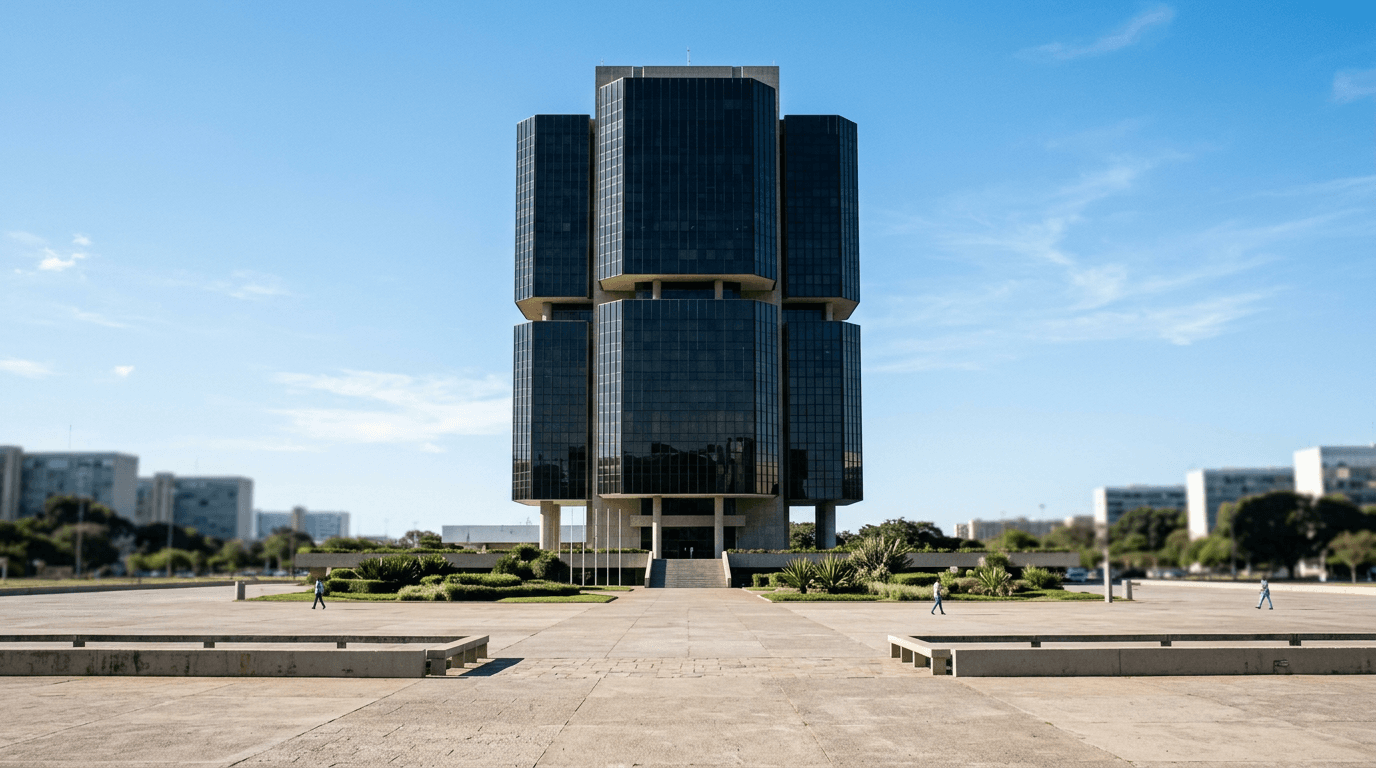
On November 4, 2026, the Central Bank of Brazil's Monetary Policy Committee (Copom) voted unanimously to keep its benchmark Selic interest rate unchanged at 13.75% per year. This decision officially halted a cycle of five consecutive 0.25-percentage-point cuts that began in March. The central bank cited rising inflation expectations and "heightened uncertainty" regarding the country's fiscal trajectory as the primary reasons for pausing its monetary easing.
The fiscal uncertainty stems directly from the political timeline of President Luiz Inácio Lula da Silva, who was reelected to a fourth presidential term on October 25, 2026. Rather than immediately addressing the market's demands for structural budget cuts, the administration has pushed back its policy response. On November 5, 2026, Finance Minister Dario Durigan announced that specific fiscal adjustment proposals will only be finalized and presented after President Lula returns from an international diplomatic tour on November 15, 2026.
A Growing Debt Burden
This delay has heightened anxiety among foreign investors who monitor Brazil's deteriorating fiscal health. According to data released by the Central Bank of Brazil on October 29, 2026, the country's gross public debt reached 82.9% of GDP in September 2026. This represents a significant increase from the 71.7% recorded in December 2022, just before Lula began his third term.
Without immediate structural spending cuts, economists warn that the government will struggle to stabilize this debt trajectory. Major financial institutions, including Itaú BBA, now project that the benchmark Selic rate will remain stuck at 13.75% throughout all of 2027. This prolonged period of high interest rates acts as a heavy discount rate on local corporate valuations and keeps the Brazilian real under pressure against the U.S. dollar.
The political stakes of these decisions are high for the reelected president. Lula faces a difficult balancing act between maintaining the social spending promises that secured his victory and reassuring global credit markets. For international investors, the next major milestone will be the formal presentation of the fiscal package after November 15, 2026, which will determine whether the central bank can eventually resume cutting rates next year.
In your brokerage app
For U.S. retail investors, this prolonged fiscal gridlock and high-interest-rate environment directly impact the iShares MSCI Brazil ETF, an exchange-traded fund listed in New York that tracks the investment results of broad-cap Brazilian equities.