
Wealth Gap Deepens: One in Five Candidates in Brazil’s 2026 Election is a Declared Millionaire
An analysis of candidate asset declarations for the 2026 general election shows 18.6% of candidates declared a net worth of R$1 million or more, a record high.
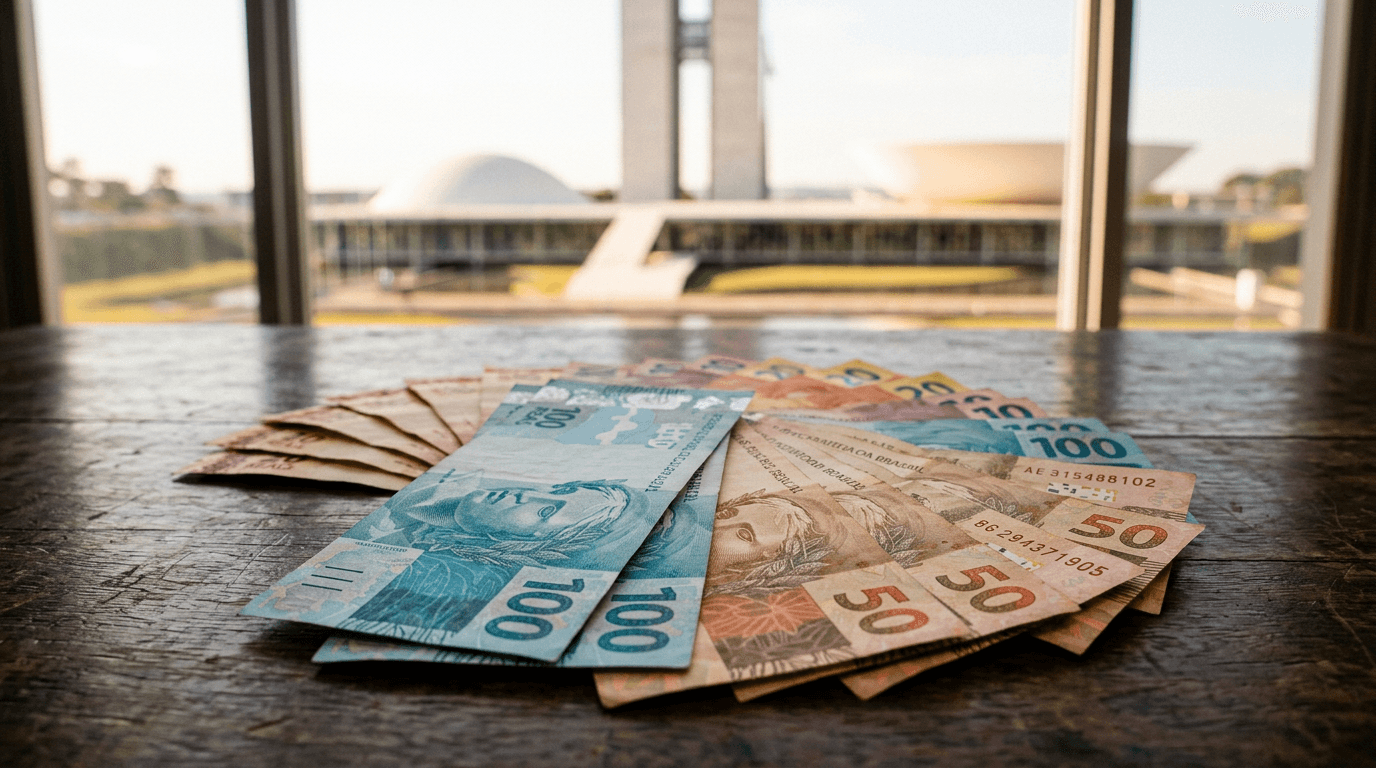
Nearly one in five candidates seeking office in Brazil’s October 2026 general election has declared a net worth of at least R$1 million, setting a new record for wealth concentration in the country's political class. Data released by the Electoral Court (Justiça Eleitoral) shows that 3,816 of the 20,530 candidates registered by mid-August reported assets totaling R$1 million or more.
This percentage of candidates declaring millionaire status—18.6%—is the highest recorded since the 2010 election cycle and marks a significant jump from the last general election in 2022, when 14.2% of candidates were in that bracket. The figures, drawn from mandatory public asset declarations, highlight the widening wealth gap between those who seek to govern the country and the average citizen.
The R$1 million threshold, which defines a milionário in Brazil, stands in stark contrast to the income of the typical voter. For a Brazilian earning the average gross monthly salary of approximately R$3,600, it would take more than 23 years of saving their entire income—without spending a single real—to accumulate the net worth declared by these candidates. The median monthly income, which half of all workers earn less than, is closer to R$1,900.
The concentration of wealth among candidates for president, governor, and seats in the federal and state legislatures signals a persistent lack of socioeconomic diversity within Brazilian politics. Critics argue that a political class dominated by the wealthy is less likely to prioritize the economic and social needs of the poor and middle class, further complicating the country’s intense political polarization.
What to watch
The financial background of the candidates is expected to become an issue in the final weeks of the campaign ahead of the October 4 first-round vote. The public release of these declarations by the Electoral Court provides voters and the media with the ability to draw direct comparisons between a candidate's declared wealth and their policy proposals on economic issues and inequality.
Related coverage
Politics · PRO
Lula’s R$691 Welfare Hike Faces Constitutional Showdown as Audit Court Prosecutor Seeks Suspension
Published
Politics · PRO
Lula Links New Equatorial Margin Oil Frontier to Sovereignty, Warning of US Interest
Published
Politics
High-Profile São Paulo Politician Milton Leite Surrenders in PCC Organized Crime Probe
Published