US-Brazil Visa Dispute Over Defeated Candidate Strains Bilateral Ties
The U.S. State Department's decision to grant entry visas to defeated Brazilian presidential candidate Flávio Bolsonaro has introduced fresh diplomatic friction.
A diplomatic dispute is unfolding between Washington and Brasília after the U.S. State Department granted entry visas to a high-profile Brazilian politician who bypassed active travel restrictions ordered by Brazil's highest court. The decision has introduced a fresh layer of political friction between the United States and its largest South American trading partner.
On October 28, 2026, defeated right-wing presidential candidate Senator Flávio Bolsonaro landed at Miami-Opa Locka Executive Airport in Florida. His arrival followed his defeat in the October 25, 2026, presidential runoff election to incumbent President Luiz Inácio Lula da Silva, who won the vote according to official electoral results. On October 27, 2026, a senior U.S. State Department official confirmed to The Associated Press and other media outlets that the U.S. would issue visas allowing entry to Bolsonaro and his family. The visa approval came despite a confidential Brazilian Supreme Court mandate issued on October 26, 2026, ordering the senator to surrender his passports within 24 hours amid an active money-laundering investigation, as reported by Brazil's public news agency Agência Brasil.
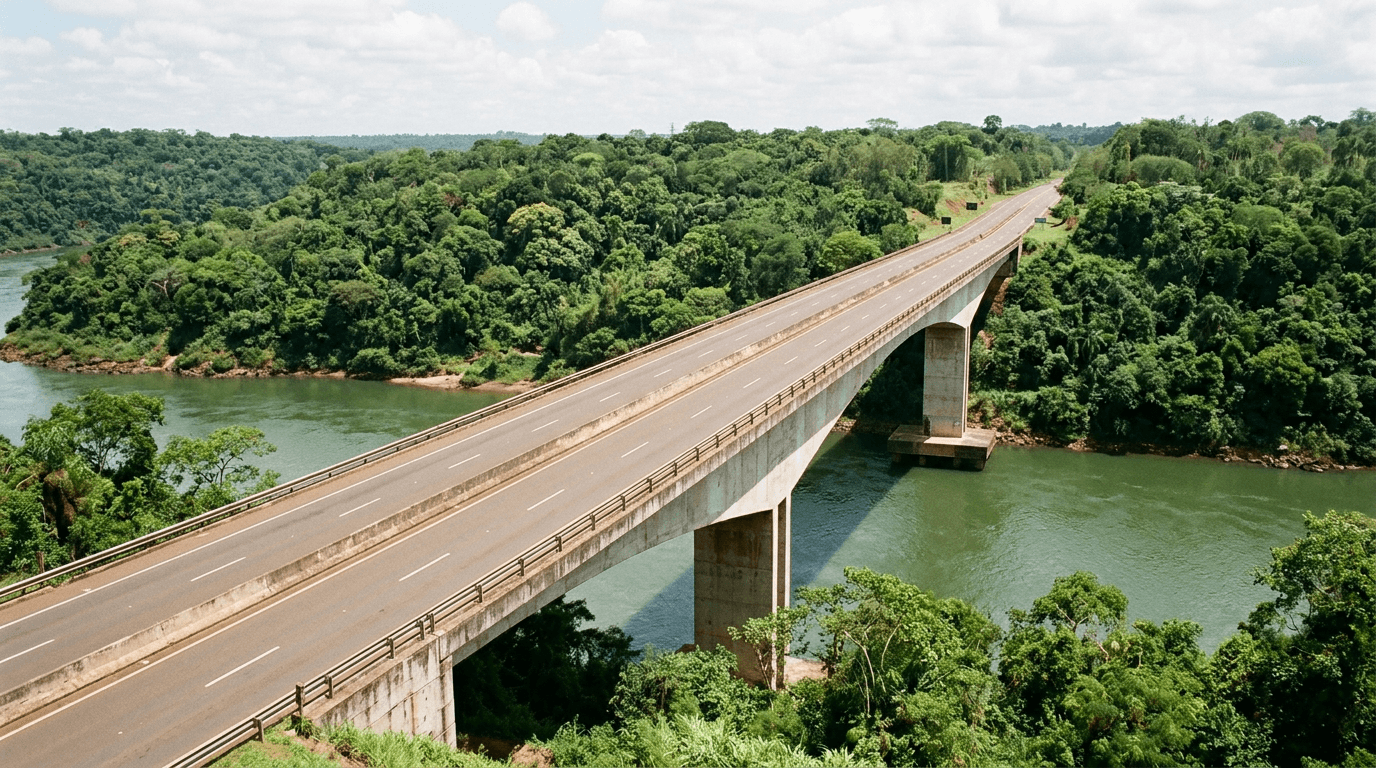
According to border records released on X by Argentina's National Directorate of Migrations, Bolsonaro and his family crossed the land border into Argentina late on October 27, 2026, with valid documentation and no local legal impediments. They then boarded a private Gulfstream jet to Miami via Ecuador to avoid Brazilian airspace. Upon landing in Florida, Bolsonaro released a letter on the social media platform X declaring himself the "leader of Brazil". President Lula da Silva publicly criticized the departure, calling the flight "shameful" during an address in Brasília. Flávio Bolsonaro remains a sitting federal senator representing Rio de Janeiro, as his legislative term does not expire until January 31, 2027.
Institutional Friction and Market Implications
For global businesses, the primary focus is how this judicial defiance impacts institutional stability and bilateral regulatory environments. The money-laundering probe is led by Supreme Court Justice Alexandre de Moraes, a powerful figure who has previously suspended social media platforms and frozen corporate assets of companies operating in Brazil over non-compliance with judicial orders. Legal analysts, including Alexandre Piquet of the Miami-based Piquet Law Firm, noted to media outlets that the U.S. could refuse future extradition requests due to concerns over political persecution, a scenario that would keep the diplomatic standoff unresolved.
The political risk cuts both ways. While an escalation could lead to targeted regulatory friction or tax disputes, the formal recognition of the election outcome by Brazil's institutional bodies and Bolsonaro's own Liberal Party has kept the country's broader financial and constitutional framework intact.
Exposure in the Financial Sector
For international investors, political friction of this nature does not typically alter long-term economic fundamentals, but it does influence the risk premium associated with Brazilian assets. Rather than affecting individual corporate equities, diplomatic disputes between Washington and Brasília have historically been associated with short-term currency volatility, temporary fluctuations in the exchange rate between the U.S. dollar and the Brazilian real, and shifts in sovereign bond spreads. Observers of Latin American markets monitor these diplomatic developments to gauge overall country risk, as regulatory disputes can influence broader foreign exchange markets.