Brazil Supreme Court Dispute Tests Regulatory and Judicial Predictability
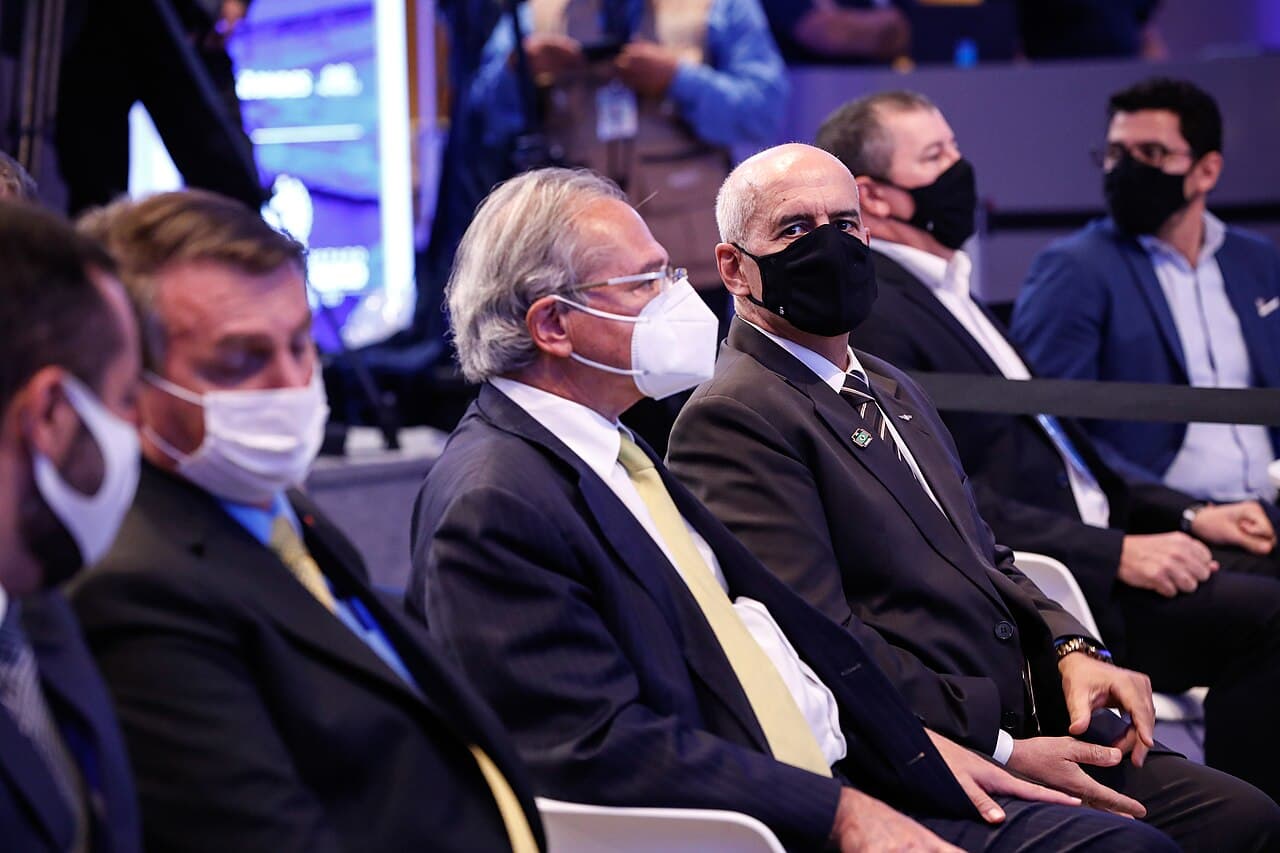
Lawyers for Senator Flávio Bolsonaro have petitioned the Supreme Court to remove Justice Alexandre de Moraes from a money laundering probe involving sports betting.
For global investors holding exposure to Latin America's largest economy, institutional stability and judicial predictability remain critical operational variables. When high-profile political disputes intersect with the regulatory frameworks of rapidly expanding domestic sectors, the resulting legal friction can alter the risk premium associated with local assets.
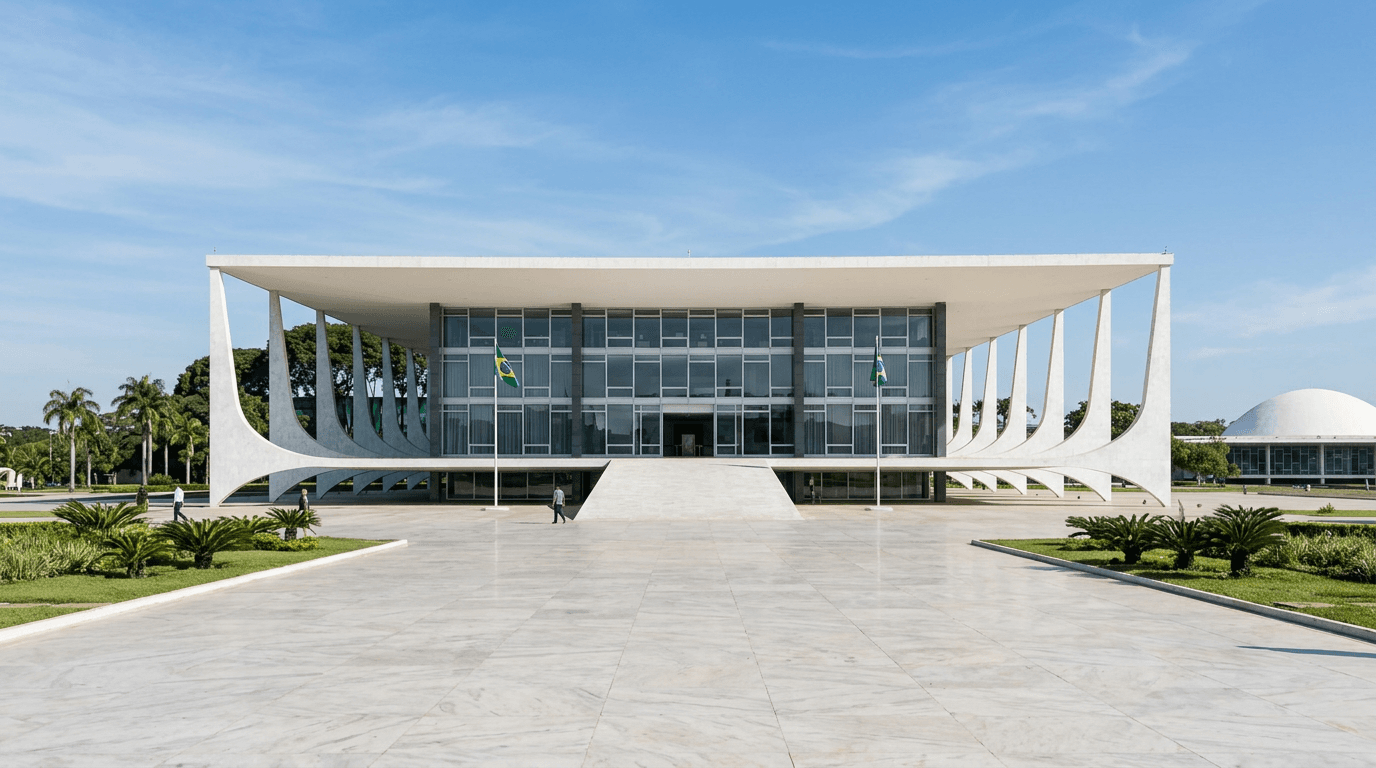
A fresh test of Brazil's institutional boundaries emerged on October 30, 2026, when the legal defense of Senator Flávio Bolsonaro filed official petitions with the Supreme Federal Court (STF). The lawyers requested that the court's president, Edson Fachin, declare Justice Alexandre de Moraes disqualified from leading a criminal inquiry into the senator. The defense argues that the case should be reassigned to Justice André Mendonça and that all active precautionary measures, including travel restrictions, should be revoked.
The underlying federal police investigation focuses on suspected money laundering and tax evasion involving online sports betting platforms ("bets") and prominent lawyer Willer Tomaz. Investigators are examining whether the senator held an indirect partnership in these entities. The case gained international attention after Justice Moraes ordered the cancellation of the senator's passports on October 25, 2026, immediately following the country's presidential runoff election in which incumbent President Luiz Inácio Lula da Silva was officially declared the winner. Senator Bolsonaro subsequently traveled to the United States via Argentina.
Regulatory and Political Stakes
The legal challenge to Justice Moraes's jurisdiction highlights the ongoing friction between Brazil's judiciary and legislative figures. The defense's petition argues that Justice Moraes has a conflict of interest, citing reports that the magistrate and his spouse had previously traveled on a private aircraft linked to entities connected to the broader investigation. Alternatively, the defense contends that because Justice Mendonça already oversees a related pension fraud inquiry involving Tomaz, the betting-related case should naturally fall under his docket.
For international businesses, the political dispute overlaps with a highly sensitive regulatory transition. Brazil is currently implementing a comprehensive federal licensing and taxation framework for online gaming and sports betting, a sector that has attracted significant multinational capital. Legal uncertainty surrounding key figures in the betting market, combined with high-level judicial disputes, introduces compliance and oversight questions for foreign operators navigating the newly regulated space.
The Supreme Federal Court has not yet ruled on the request to disqualify Justice Moraes or transfer the case. How the court's leadership addresses this jurisdictional challenge will serve as an important indicator of judicial consistency and regulatory predictability in Brazil.