
Systemic Violence Against Women Threatens Quality of Brazilian Democracy
A record high in femicides and widespread political abuse against female legislators signals a crisis for women's participation in Brazilian politics.
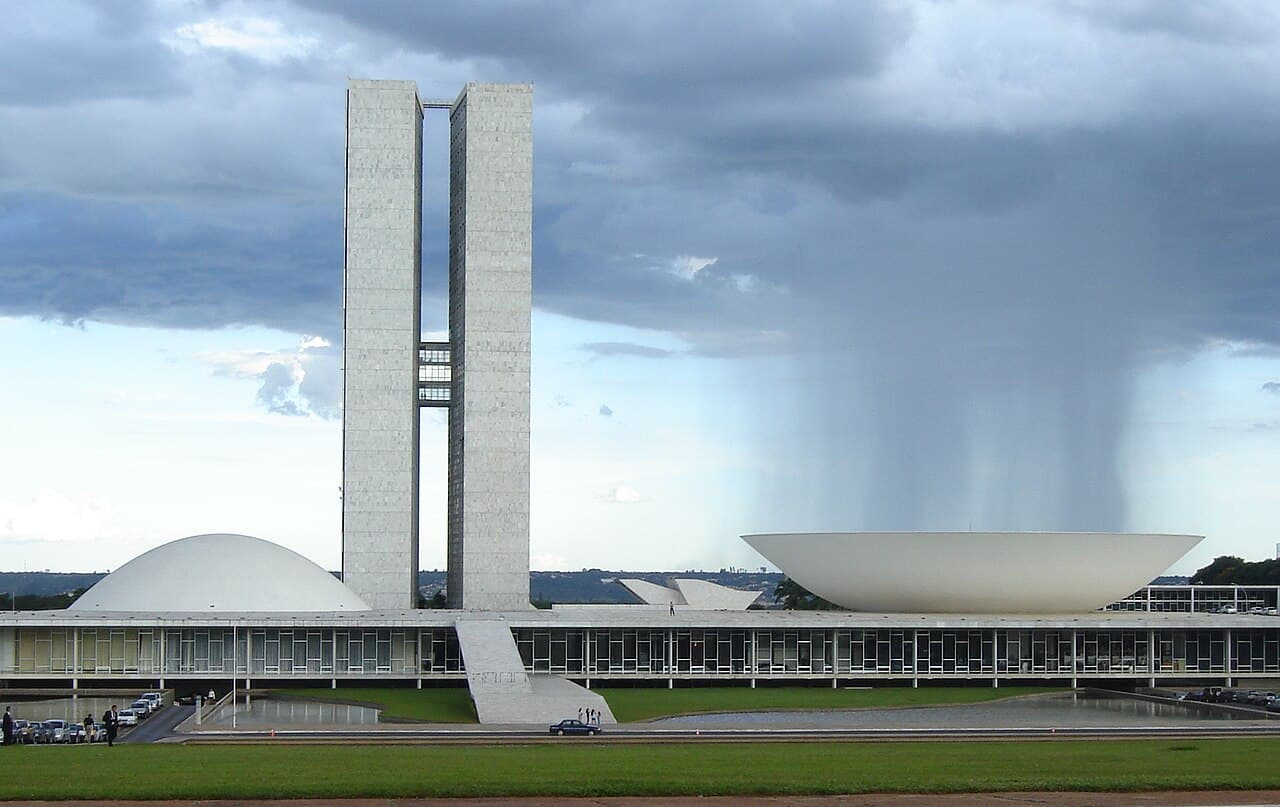
The health of Brazilian democracy is facing a serious threat as systemic, gender-based violence has reached alarming levels, actively discouraging women from entering and remaining in political life. A new analysis of the situation shows that 81% of female legislators in the country’s National Congress—comprising the Chamber of Deputies and the Senate—have experienced some form of gendered political violence (GPV) during their mandates, according to a recent study.
This widespread abuse within the halls of power is having a direct impact on representation. Among the legislators surveyed, 90% believe this violence acts as a deterrent, actively discouraging other women from seeking office or continuing their careers in politics. The findings suggest the violence is not only external but is often perpetrated by colleagues, with a majority of incidents taking place on the premises of the National Congress or within political parties themselves, demonstrating a hostile institutional environment.
The crisis of political violence is set against a backdrop of surging violence against women across the country. In 2025, Brazil recorded a historic high of 1,470 femicides, defined under Brazilian law as the killing of a woman due to her gender, a number that equates to roughly four women murdered every single day. The data, compiled by the Ministry of Justice and Public Security, highlights a systemic failure to protect women.
This extreme violence is part of a broader pattern: in the latest annual report from the Fórum Brasileiro de Segurança Pública (FBSP), the nation’s leading security think tank, an alarming 37.5% of women aged 16 and over reported experiencing some form of physical, sexual, or psychological violence in the last 12 months. This figure represents the highest rate recorded since the FBSP began monitoring the data in 2017.
The combined effect—where female politicians face institutional attacks and ordinary women face record levels of deadly violence—risks reversing the modest gains in political representation that Brazil has made in recent years. As female participation remains comparatively low globally, the sustained climate of violence and impunity acts as a profound check on the quality of Brazilian democracy and its ability to represent its entire population.
What it touches
The sustained increase in both domestic and political gendered violence raises significant concerns about long-term social risk and political instability in Brazil. The data points to deep-seated structural issues and systemic institutional failures, which investors focused on Environmental, Social, and Governance (ESG) criteria may view as an unaddressed social risk that could lead to civic unrest, reputation damage for local operations, and unpredictable shifts in the political landscape.
Related coverage
Politics
Loneliness and Exhaustion Driving Political Abstention in Brazil, Threatening Democratic Stability
Published
Politics
Lula Challenges UN Security Council’s ‘Immobility’ in Fiery UNGA Address
Published
Politics
Illegal Gold Mining Ravages Amazon Protected Areas Despite Crackdowns, Endangering Indigenous Peoples
Published