
Supreme Court procedural fight stalls major Brazilian banking fraud case
A major Brazilian financial scandal is advancing in the country's highest court after the Prosecutor General's Office urged a swift resolution to a jurisdictional dispute.
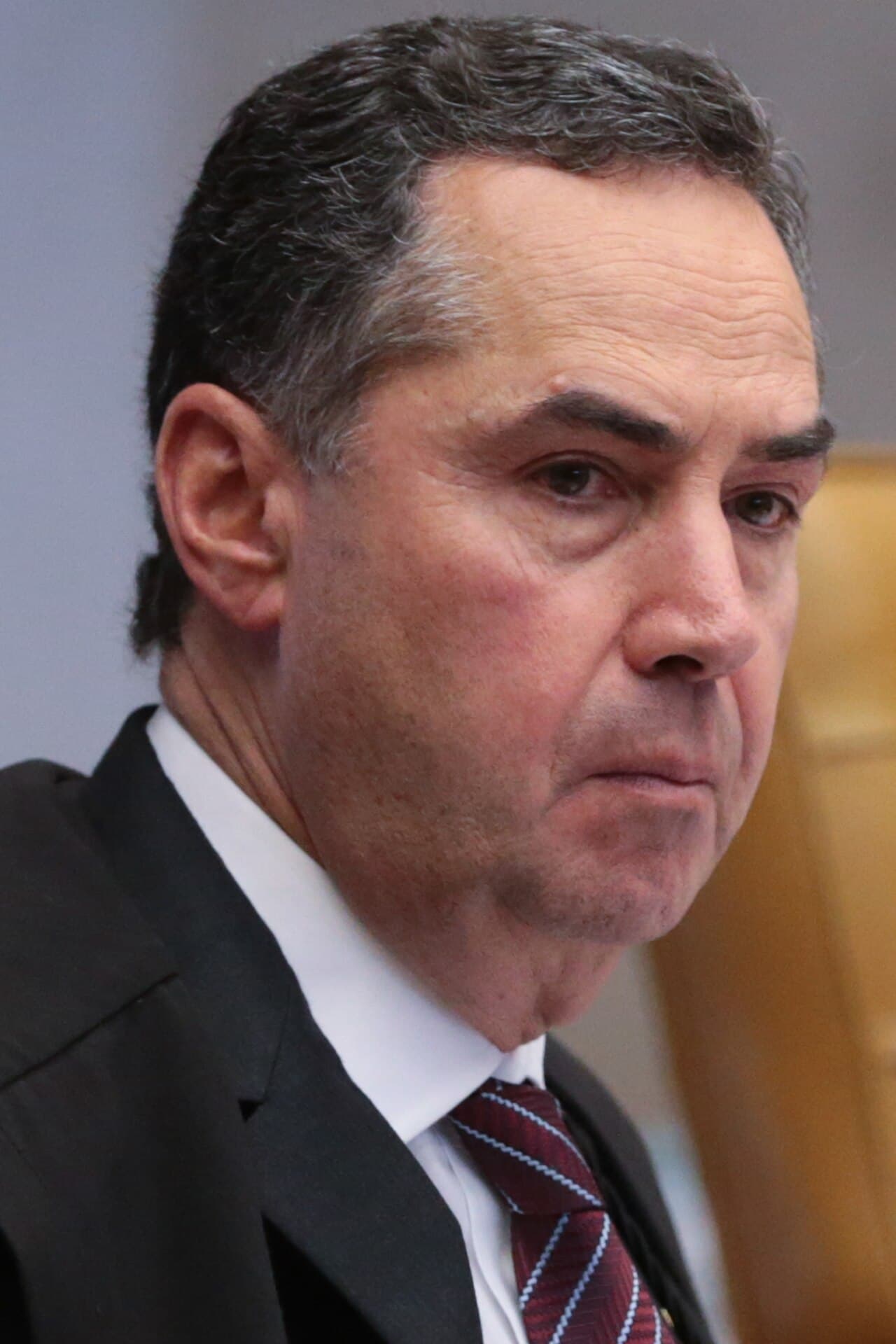
A major Brazilian financial scandal is advancing in the country's highest court after the Prosecutor General’s Office (PGR) urged Supreme Court President Luís Roberto Barroso to resolve a jurisdictional dispute that has stalled the validation of a crucial plea agreement. The procedural bottleneck has delayed key testimonies in a sweeping investigation into systemic fraud and money laundering within the country's private banking and asset management sectors.
At the center of the dispute is João Carlos Mansur, the founder and former chairman of Reag Investimentos, once one of Brazil's largest independent asset managers. Mansur signed a plea bargain with federal prosecutors in early September 2026 under Operation Compliance Zero. However, the agreement has remained unvalidated due to a procedural debate over which Supreme Court justice should formally oversee and approve the collaboration.
Under the terms of the negotiated deal, Mansur has agreed to pay a 40 million reais fine (approximately $7.3 million) and has submitted 17 detailed annexes outlining how Reag-administered funds were allegedly used to hide bribes and artificially inflate balance sheets. According to federal police investigations, the scheme involved routing loans through shell companies to purchase devalued assets at highly inflated book values, masking the true financial health of the funds.
The fallout from the investigation has already triggered severe regulatory intervention. On January 15, 2026, the Central Bank of Brazil decreed the extrajudicial liquidation of Reag Trust DTVM—which held 352 billion reais under administration as of November 2025, according to data from the capital markets association Anbima. The Central Bank cited "grave violations" of national financial system rules as the basis for the liquidation.
Political and Legal Standby
The ongoing Supreme Court impasse centers on whether Justice André Mendonça, the designated rapporteur for the broader Banco Master investigations, will officially validate the plea. While the Prosecutor General has pushed for a swift resolution to allow the evidence to be unsealed, the procedural delay has kept the highly anticipated testimonies under legal lock and key.
Legal experts and local market analysts closely tracking the case note that the validation of the plea deal is a critical step. According to a legal analysis by law firm Signature Litigation, the eventual unsealing of the agreement is expected by local observers to dictate the pace of subsequent asset recovery procedures and shape future regulatory oversight for the country's fiduciary administration sector.