
Brazil ETF drops as court bars defeated challenger from leaving country
Supreme Court Justice Alexandre de Moraes ordered Senator Flávio Bolsonaro to surrender his passport following his presidential election defeat on October 25, 2026.
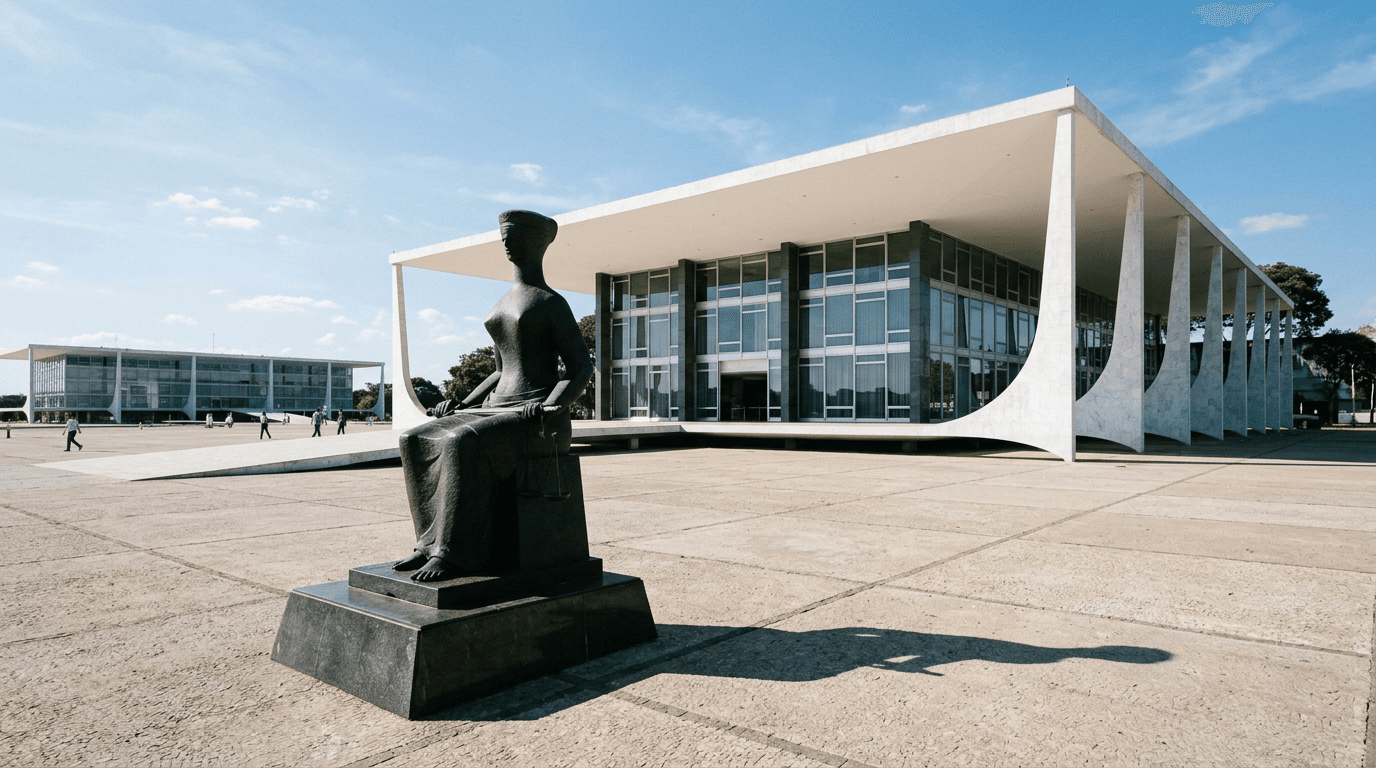
Global investors holding broad exposure to South American equities saw heightened political risk on October 26, 2026, as a dramatic legal escalation followed Brazil’s presidential election. Just hours after the country's national vote, a prominent political leader was barred from leaving the country, highlighting the persistent institutional friction that frequently impacts Brazilian asset valuations.
On October 26, 2026, Supreme Court Justice Alexandre de Moraes ordered Senator Flávio Bolsonaro, the runner-up in the October 25 presidential election, to surrender all of his passports. The Federal Police executed the travel ban in Brasília as the senator left the residence of his father, former President Jair Bolsonaro, who is currently under house arrest. The court's decision, which is currently under judicial secrecy, was made public by the senator himself through a video posted on social media.
The travel restriction stems from ongoing Supreme Court investigations into Flávio Bolsonaro and lawyer Willer Tomaz. The federal inquiry focuses on alleged money laundering connected to sports betting companies, commonly known as "bets" in Brazil. According to preliminary police findings, investigators are looking into suspected financial links involving Alcazar Holdings, a company based in Madeira, Portugal. Last week, Justice Moraes ordered the freezing of up to 6 billion reais ($1.09 billion) in assets belonging to Tomaz as part of the same probe.
Institutional Friction and Post-Election Tension
The timing of the judicial order has intensified the political divide in Latin America’s largest economy. Senator Bolsonaro was defeated in the October 25 run-off election by Luiz Inácio Lula da Silva, who secured his fourth presidential term. Following the announcement of the results, the senator stated he would challenge the election outcome in court.
According to the senator, the travel ban was prompted by public remarks made on October 23 by his brother, former congressman Eduardo Bolsonaro, who suggested that Flávio should leave Brazil if he lost the election to avoid potential legal prosecution once his senate term eventually ends. Justice Moraes issued the passport seizure order on the evening of October 25, immediately after the election results were finalized, citing concerns that the politician might flee the country.
For international investors, this swift post-election legal maneuver underscores the active role of the Brazil Supreme Court in the country's political landscape. While the peaceful transition of executive power is a positive signal for democratic stability, the immediate legal targeting of the opposition leader keeps political risk premiums elevated. This institutional tension directly influences the Brazilian real, which traded at 5.50 per US dollar on October 26, 2026, and shapes foreign sentiment toward local equities.
In your brokerage app
For retail investors tracking South American markets, this political volatility directly impacts the iShares MSCI Brazil ETF, an exchange-traded fund listed in New York that tracks the broader Brazilian stock market. Increased political friction and judicial disputes involving prominent political figures historically weigh on the fund's performance by driving currency depreciation and increasing the country's risk premium.