
STF Hands Government R$ 16.5 Billion Tax Defeat Over ICMS Credits
Brazil's Supreme Court ruled to exclude state-level ICMS tax credits from federal PIS/Cofins bases, dealing a R$ 16.5 billion blow to the federal budget.
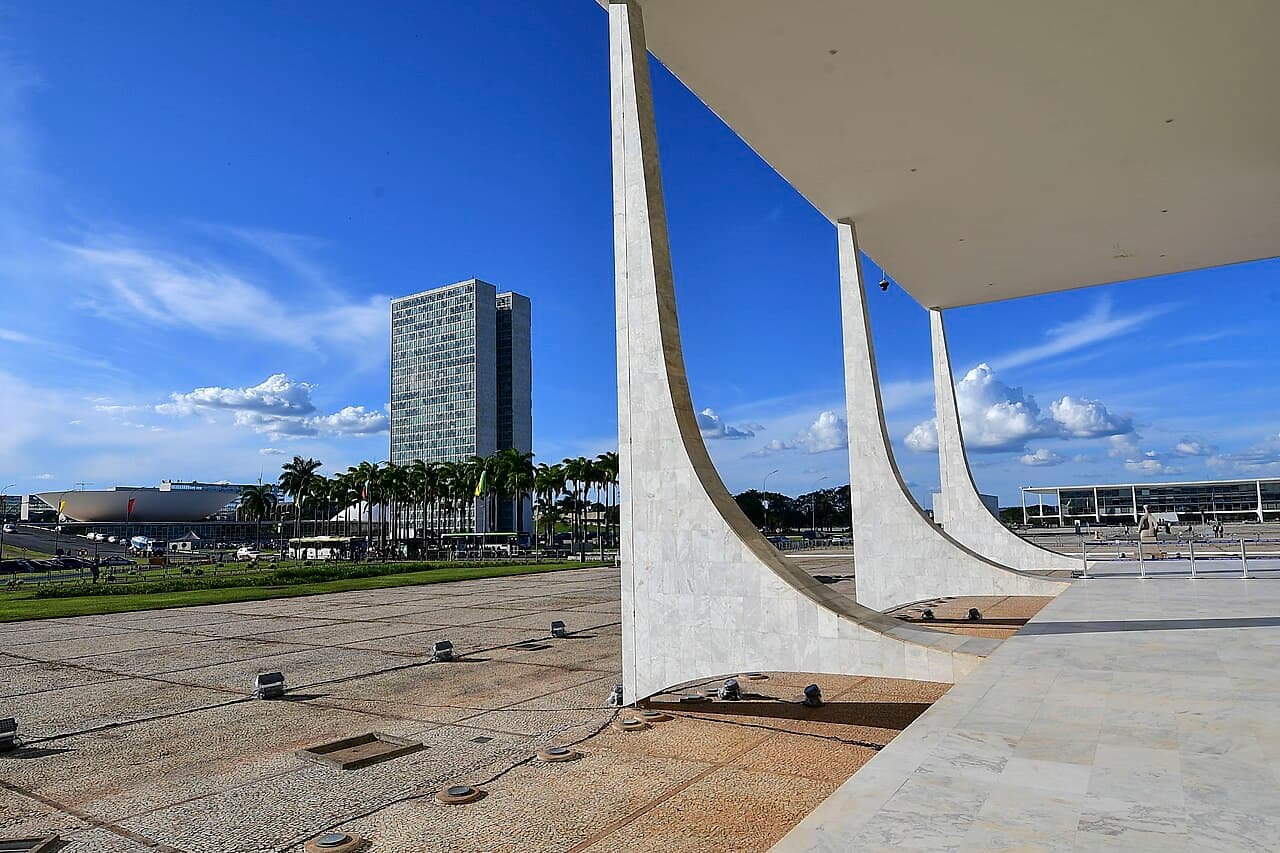
Brazil’s Federal Supreme Court (STF) dealt a major financial blow to the federal government on Wednesday, ruling that state-level tax benefits cannot be taxed by federal social contributions. In a 6-4 decision, the court excluded state-level ICMS (goods and services tax) credit incentives from the calculation base of the federal PIS and Cofins taxes. The ruling strips the federal administration of a highly sought-after revenue source, complicating its fiscal targets just as the country enters a highly polarized presidential runoff campaign.
The legal battle centered on whether the federal government could treat state tax discounts, known as "presumed credits," as corporate revenue or turnover. The STF majority determined that these state-level tax breaks are fiscal incentives designed to reduce business costs and foster regional development, meaning they do not constitute new corporate wealth or taxable income. The decision represents a R$ 16.5 billion ($3.3 billion USD) hit to the federal budget, according to estimates laid out in the government’s own budget guidelines.
The ruling is a major victory for Brazilian businesses, which have long argued that federal taxation of state incentives violates the country's federalist structure by diluting local economic policies. However, the legal finality of the decision remains somewhat fragile. The Office of the General Attorney of the National Treasury (PGFN) announced it will wait for the formal publication of the ruling to evaluate potential appeals.
During the session, the complexity of the ruling was highlighted by the fact that four of the majority votes were cast by justices who have since retired from the bench. Because the case had been suspended in virtual sessions years prior, the votes of retired justices—including the original rapporteur, Marco Aurélio Mello—were preserved. Justice Alexandre de Moraes, who voted with the dissenting minority, warned that the government could still challenge the outcome through procedural appeals because of the unusual judicial composition that formed the majority.
For President Luiz Inácio Lula da Silva’s administration, the timing of the defeat is particularly difficult. The loss of R$ 16.5 billion in projected revenue squeezes a federal budget already under intense scrutiny from financial markets. With the 2026 presidential runoff election underway, any pressure to cut public spending or seek alternative tax hikes risks triggering political backlash, leaving the administration with a narrow path to balance its fiscal accounts.
What it touches
The ruling directly benefits large industrial, retail, and agricultural companies that rely heavily on state-level tax incentives to operate in Brazil. By permanently lowering their federal tax liabilities, the decision is expected to boost the cash flow and profit margins of publicly traded companies. Consequently, the ruling is highly relevant to the iShares MSCI Brazil ETF (EWZ), which tracks the broader Brazilian equity market and is sensitive to changes in corporate tax burdens and federal fiscal health.