
Political Violence Against Women Spikes 11-Fold in Brazil, Threatening Democratic Participation
Brazil's Superior Electoral Court reports an 11-fold increase in political violence cases against women since 2022, disproportionately affecting Black women.
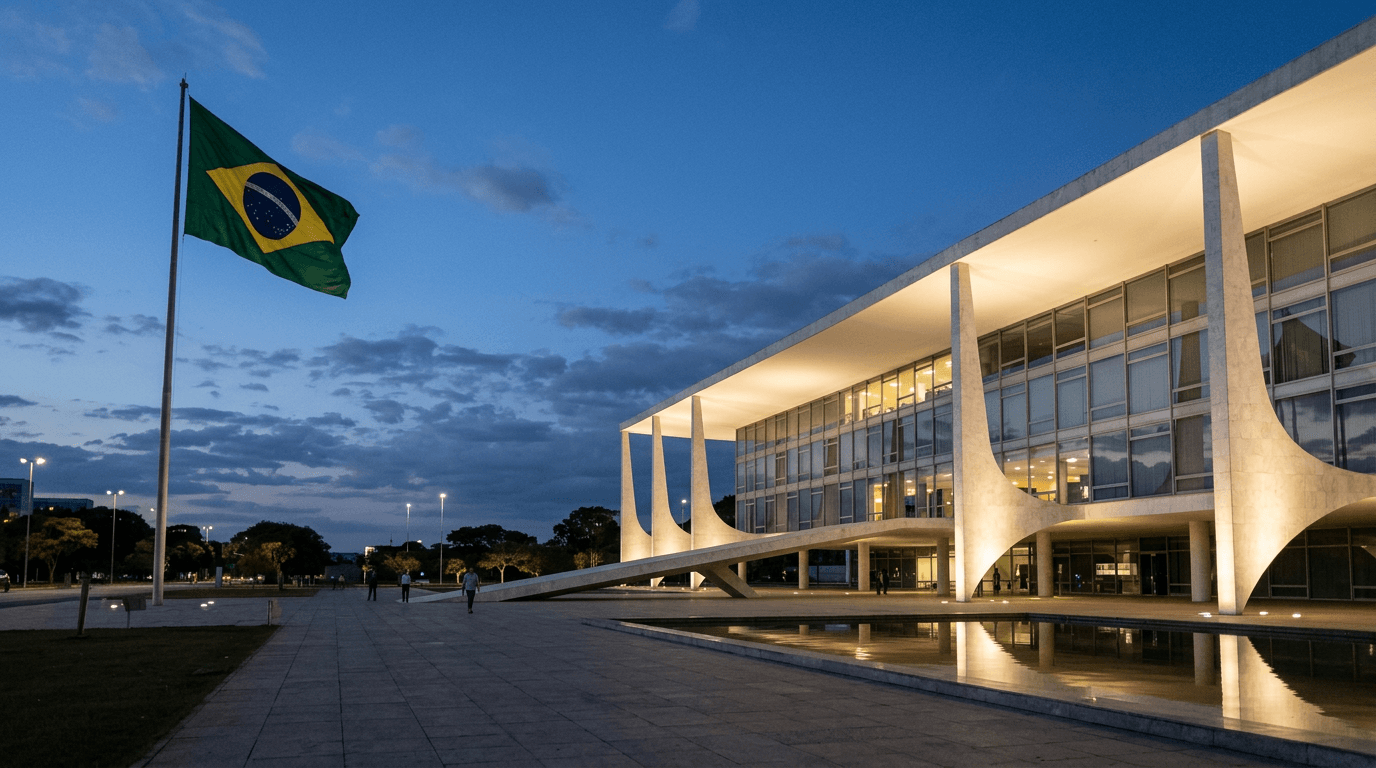
The number of political violence cases against women reported to Brazil's electoral justice system has increased more than elevenfold in the last four years, according to data released by the Superior Electoral Court (TSE). The dramatic rise, which saw cases jump from 15 in 2022 to 177 by September 2026, reflects a deteriorating environment for women in public life and poses a direct threat to the health of Brazilian democracy, authorities warn. The TSE, which is the country’s top judicial body overseeing elections, views the trend as a deliberate mechanism to silence and expel women from political spaces, stifling participation ahead of the upcoming election cycle.
The violence rarely involves physical assault, instead taking the form of persistent moral and psychological attacks intended to discredit and intimidate political actors. Reports received by the Federal Public Ministry detail a pattern of threats, the exposure of private family information, racist and anti-LGBTQ+ attacks, and other forms of psychological warfare targeting women in elected office and those campaigning for it. A minister from the TSE noted that the violence works on two levels: it silences the individual who considers quitting politics, and it discourages other women from ever entering the arena.
The surge in gender violence is not evenly distributed across the political landscape, instead disproportionately targeting Black women. A study by the Marielle Franco Institute, which tracked cases between 2021 and 2025, found that 87% of the victims surveyed were Black women. This focus on women who already face structural barriers—combining racism and misogyny—suggests the violence is a systematic practice aimed at reinforcing historical exclusion from positions of power. The 2018 assassination of Rio de Janeiro City Councilwoman Marielle Franco, a Black, LGBTQ+ human rights activist, remains an international symbol of the deadly risks faced by Black women in Brazil political violence.
In response to the alarming increase, the Superior Electoral Court and the Federal Public Ministry have launched a new public awareness campaign, "Política: substantivo feminino" (Politics: a feminine noun), to strengthen prevention, reporting, and monitoring efforts. The institutional push comes as the country heads toward the 2026 elections, where the TSE will attempt to curb the weaponization of political intimidation as a tool for driving women out of public service. The effectiveness of these new institutional measures against the backdrop of an elevenfold increase in reported cases remains the key challenge for the country's democratic stability.
Related coverage
Politics · PRO
Brazil Hikes Maximum Fine for Fuel Price Abuse to R$500 Million in Inflation Fight
Published
Politics · PRO
US Conservative Group Rockbridge Network Faces Brazil Election Interference Probe
Published
Politics
R$411 Billion Pre-Election Spending Package Puts Fiscal Discipline at Center of Brazil Election
Published