Mar-a-Lago Escape of Defeated Bolsonaro Risks Brazil Trade Friction
Defeated Brazilian presidential candidate Flávio Bolsonaro fled to Florida via Argentina, potentially sparking diplomatic and trade tensions for U.S. investors.
The political risk associated with emerging-market investments has hit close to home for American retail investors holding diversified international funds. A high-stakes diplomatic standoff is brewing between Washington and Brasília following the dramatic escape of a prominent foreign political figure to Florida. The resulting friction could complicate bilateral trade agreements and introduce fresh volatility into Latin American equities held in standard U.S. brokerage accounts.
The catalyst is Senator Flávio Bolsonaro, the right-wing presidential candidate who lost Brazil's October 25, 2026, runoff election to incumbent left-wing President Luiz Inácio Lula da Silva. On October 27, 2026, just two days after his defeat, Bolsonaro bypassed a Brazilian Supreme Court order to hand over his passports by crossing the land border into Argentina. From there, he boarded a private charter jet to Miami, Florida. On November 5, 2026, Bolsonaro made his first major public appearance in the United States, speaking at a Conservative Political Action Conference (CPAC) event held at Donald Trump's Mar-a-Lago resort, where he declared that "great things" are still to come.
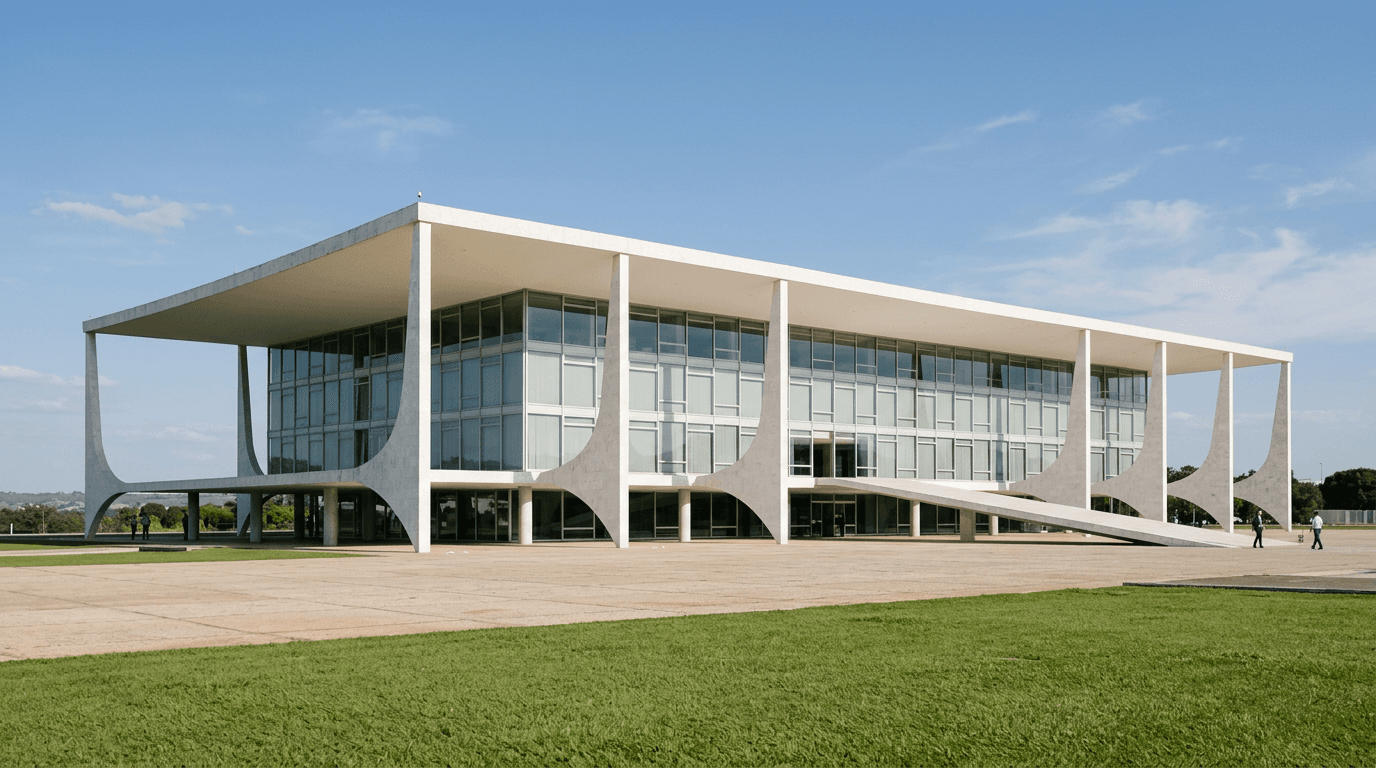
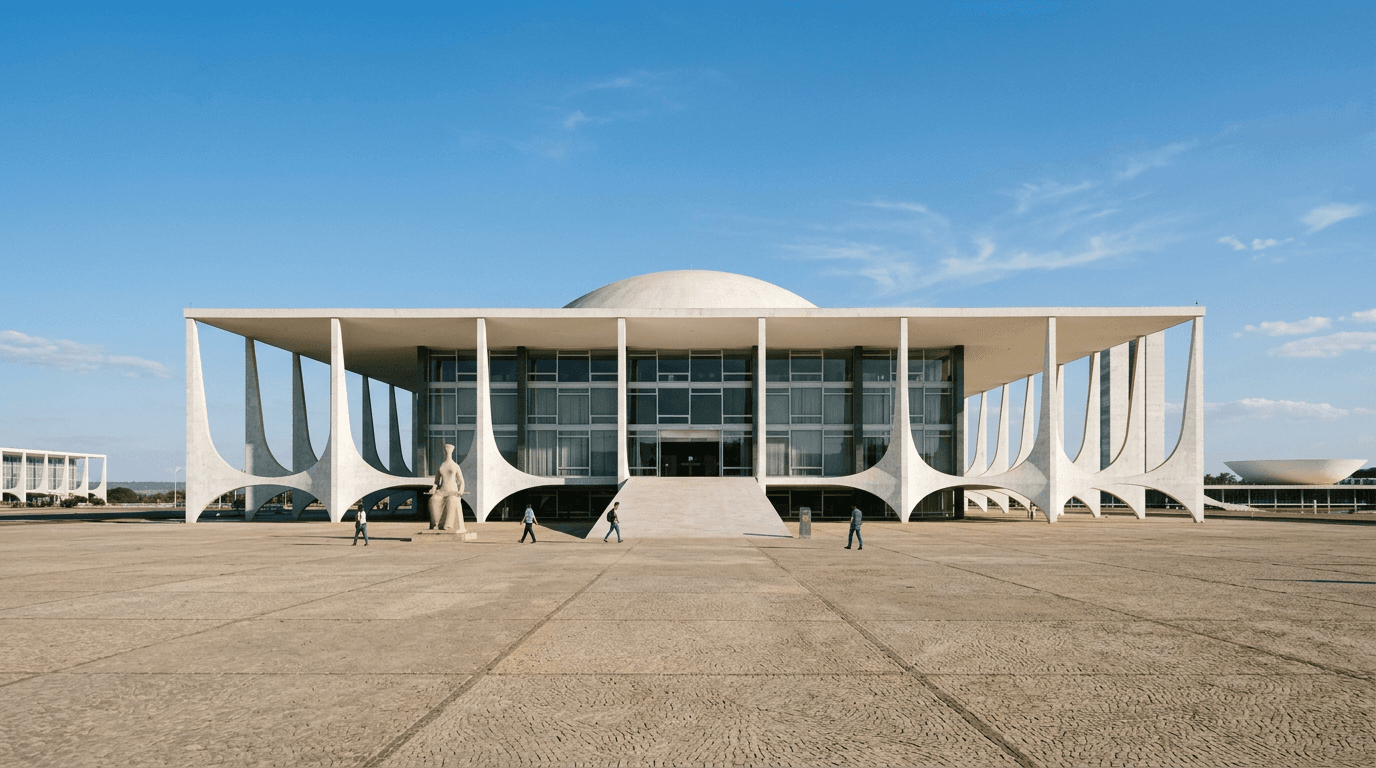
The escape has triggered immediate institutional backlash in Brazil, where the Supreme Court (STF) and federal police are investigating Bolsonaro for alleged money laundering and tax evasion. By harboring a fugitive who defied a direct judicial mandate from Brazil’s highest court, the U.S. risks a prolonged diplomatic asylum dispute with the Lula administration. In Brazil's legal system, the STF holds immense power over corporate regulations, and any perceived infringement on its authority by foreign nations often translates into retaliatory regulatory scrutiny for multinational companies operating in the country.
For global investors, this political drama introduces a mechanism of direct economic exposure. Diplomatic friction between the hemisphere's two largest economies threatens to stall bilateral tax treaties, delay agricultural trade permits, and complicate cross-border corporate compliance. While the Brazilian real closed at 5.5007 per U.S. dollar on November 6, 2026, analysts warn that a protracted legal battle over extradition could weaken the currency and depress the valuation of Brazilian exporters.
The immediate outlook depends on how the U.S. State Department responds to formal inquiries from Brazil's judiciary. If the Lula administration pursues international legal channels to freeze Bolsonaro's foreign assets or demand his return, the resulting political noise will likely weigh on Brazilian market sentiment, discounting even fundamentally strong local companies.
In your brokerage app
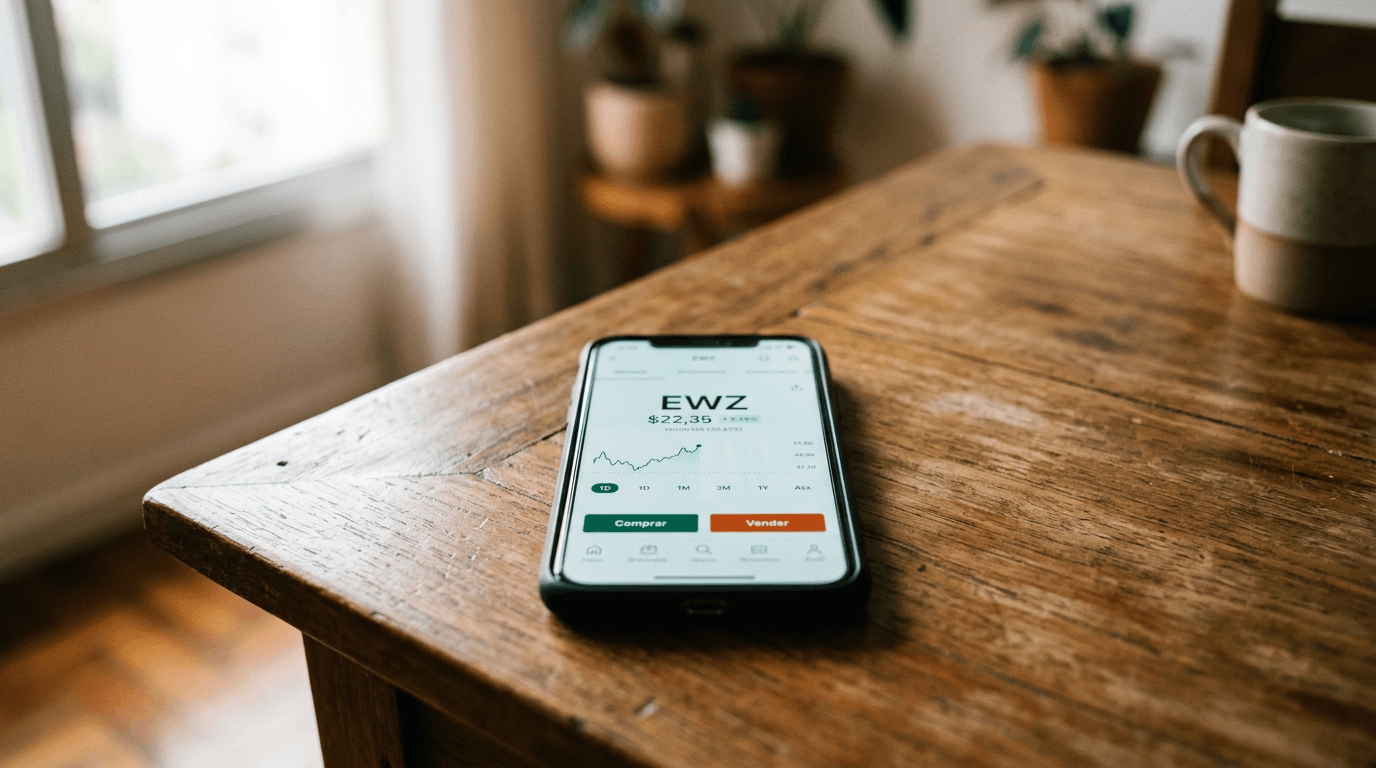
U.S. retail investors holding the iShares MSCI Brazil ETF, a prominent exchange-traded fund listed in New York that tracks the broader Brazilian equity market, are directly exposed to the geopolitical fallout of this diplomatic dispute. Additionally, major Brazilian ADRs listed in New York, such as state-controlled oil giant Petrobras and mining multinational Vale, typically experience heightened price volatility when diplomatic relations between Washington and Brasília deteriorate.