US food prices and grain supplies get relief as Brazil moves to save farmers
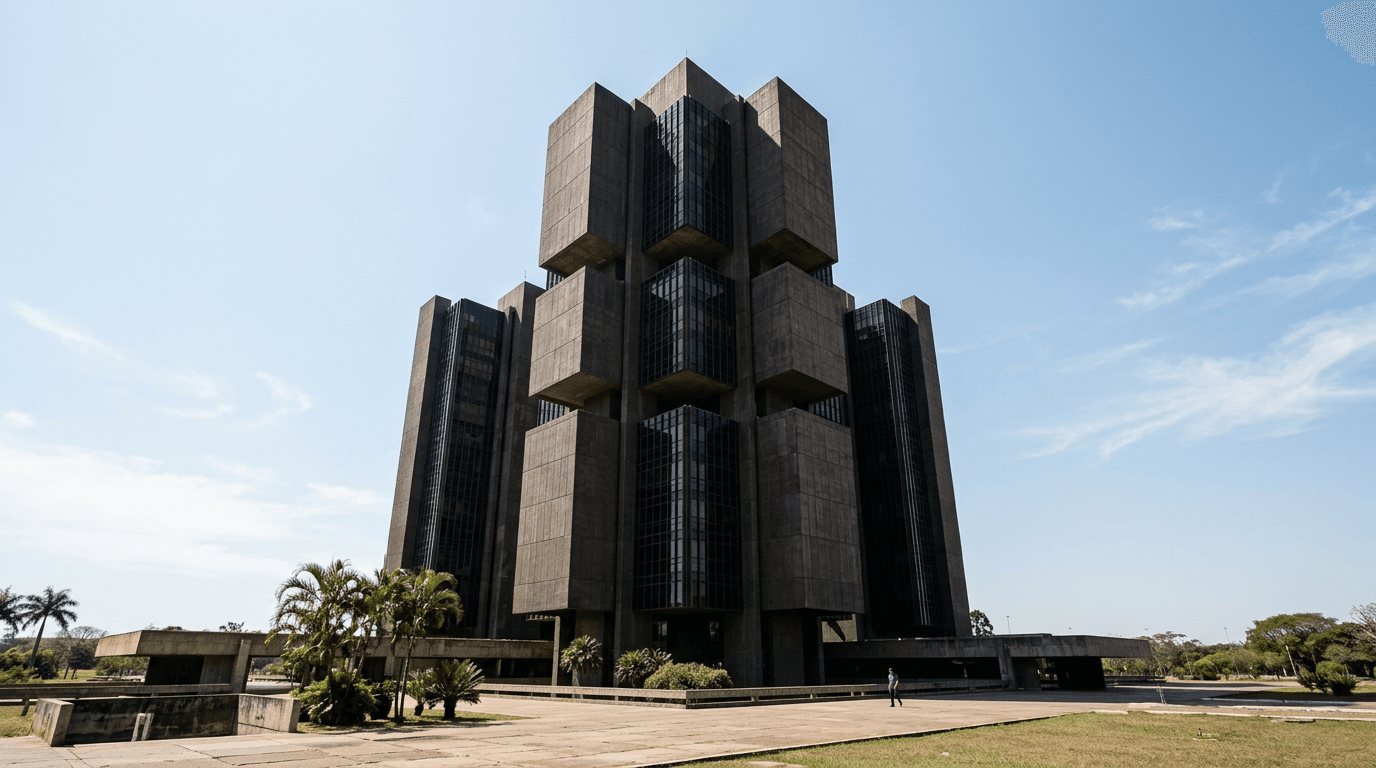
Brazil's Chamber of Deputies approved a crucial agricultural debt relief bill, sending the measure to the Senate to avert a systemic credit crisis in the global food supplier.
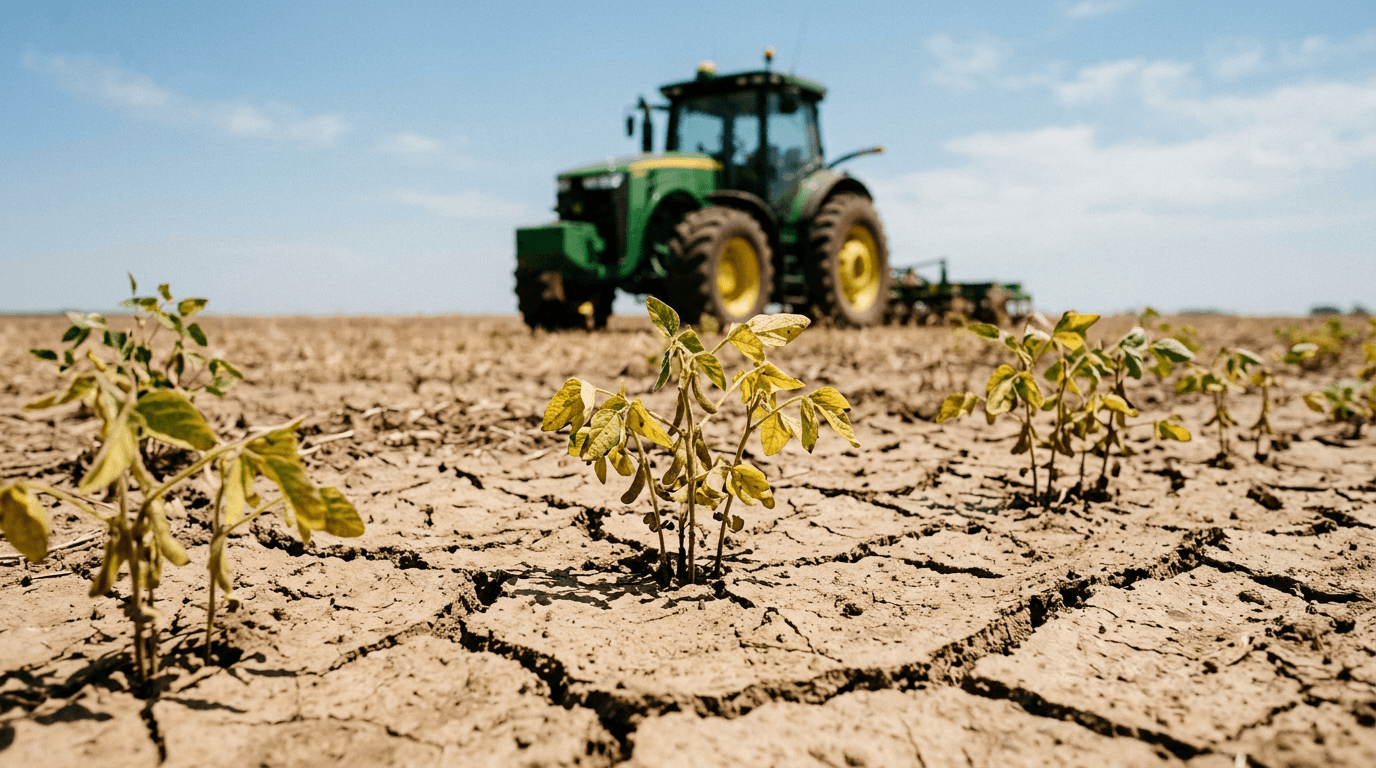
Global grocery shoppers and international agribusiness investors are breathing a sigh of relief as the world's largest exporter of soybeans, beef, and coffee moves to avert a systemic credit crisis. For months, American agricultural suppliers and multinational food companies have watched rising loan delinquencies in South America with concern, fearing that a wave of farm bankruptcies would disrupt global grain supplies and drive up crop prices.
The relief moved closer to reality on November 10, 2026, when Brazil's Chamber of Deputies—the lower house of the country's Congress—approved Medida Provisória 1376/26. This critical executive decree, which was set to expire on November 11, 2026, authorizes a sweeping debt-renegotiation program for farmers devastated by extreme weather events and severe market downturns. The bill now heads to the Senate for a final vote.
Under the approved terms, affected farmers can restructure their outstanding agricultural loans and Rural Product Notes (CPRs) with subsidized interest rates ranging from 6% to 12% per year. The program offers repayment terms of up to eight years, giving heavily indebted producers a crucial multi-year grace period to recover. To qualify, producers must present an official technical report proving they suffered at least a 30% reduction in expected agricultural income across at least two harvests between 2019 and 2025.
A political compromise to protect the harvest
The breakthrough represents a major political compromise between the administration of President Luiz Inácio Lula da Silva and the powerful congressional agribusiness caucus. Originally edited by the federal government in July 2026, the measure had stalled due to bureaucratic hurdles and disagreements over eligibility. Lawmakers resolved the deadlock by extending the eligibility window for delinquent loans from May to October 2026, allowing more struggling farmers to access the subsidized credit lines.
The intervention is highly targeted. According to data from the Central Bank of Brazil reported by Bloomberg on November 3, 2026, outstanding rural credit in the country reached 885 billion reais (approximately $163.4 billion). Of that total, a staggering 208 billion reais ($38.4 billion)—or roughly 23.5% of the entire agricultural loan portfolio—was classified as problematic, delinquent, or already under renegotiation. Without this federal safety net, many farmers faced losing access to the credit required to purchase seeds, fertilizers, and machinery for the upcoming planting season.
While the debt relief will ease immediate financial pressure on South American growers, agricultural associations warn that strict bureaucratic requirements, such as proving historical crop losses from years prior, may still prevent some small-scale farmers from successfully enrolling before funding limits are reached.
In your brokerage app
For retail investors, the stabilization of Brazilian agricultural credit directly impacts major US-listed agribusiness suppliers and grain traders. Companies like Bunge Global SA, listed in New York, which operates extensive grain processing and export logistics networks in Brazil, are highly sensitive to the financial health of South American farmers. Similarly, global crop protection and seed giant Corteva Inc., also listed in New York, relies heavily on credit-stable Brazilian growers to sustain its regional sales volumes.