
Lula Rejects 'Colonial Logic' at UN, Demands Value-Added Processing for Brazil's Critical Minerals
Brazilian President Lula da Silva used his UNGA speech to call for multilateral reform and defend national sovereignty over resources.
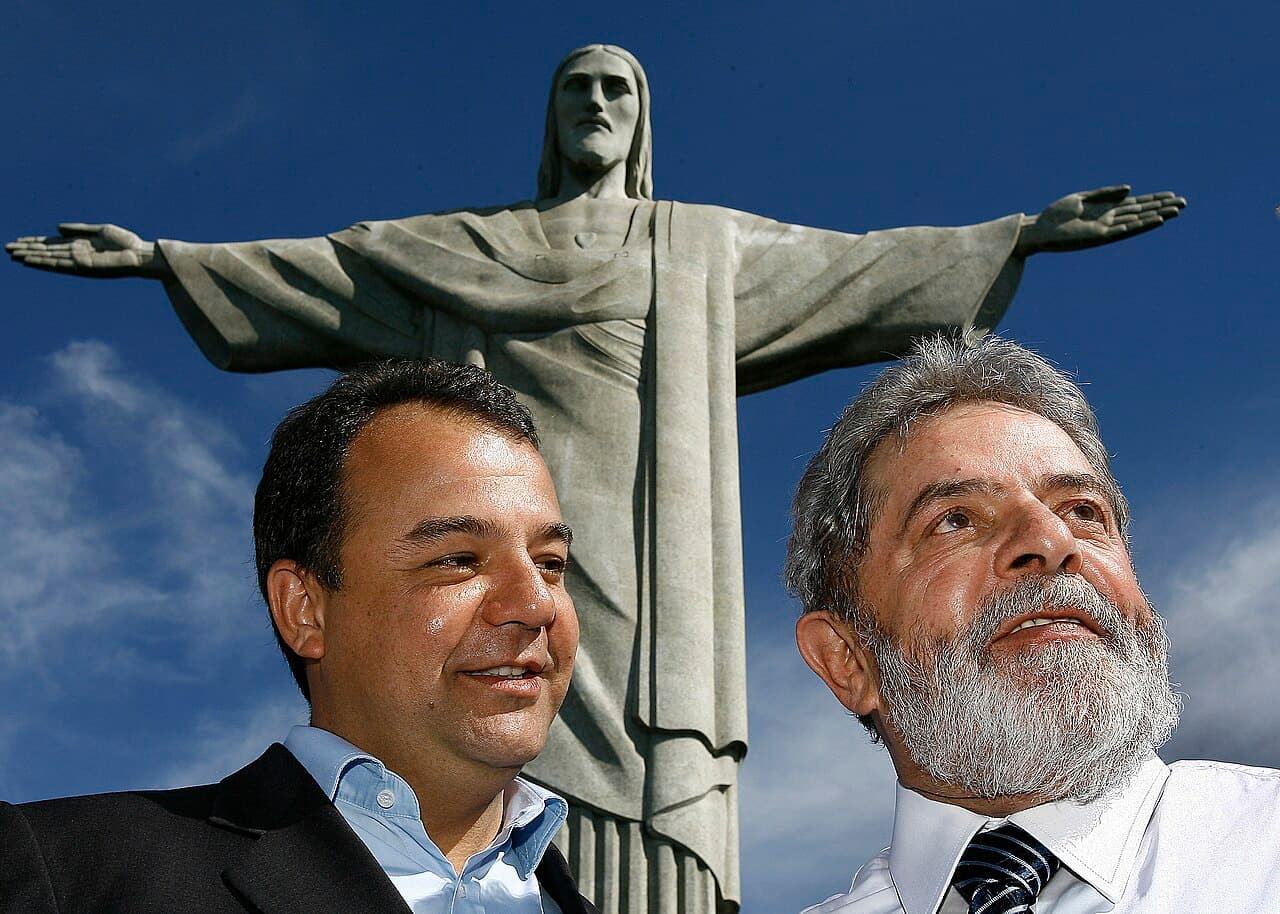
Brazilian President Luiz Inácio Lula da Silva opened the 81st United Nations General Assembly (UNGA) in New York, asserting that Brazil will no longer serve as a mere raw material supplier to the world and demanding that global access to its critical minerals be conditioned on domestic industrialization and technology transfer. The president's address, delivered on Tuesday, positioned Brazil as a leading voice for the Global South, calling for a radical overhaul of the United Nations and a firm rejection of what he termed "neocolonial logic" in international relations. The firm stance on sovereignty over minerals essential for the global energy transition, such as rare earths, signals a clear foreign policy focus aimed at leveraging Brazil's natural wealth for national reindustrialization.
The demand for value-added processing is rooted in a recently enacted National Policy on Critical and Strategic Minerals (PNMCE) and seeks to break a long-standing historical trend where Brazil exports raw materials but misses out on the revenue and technological gains from manufacturing finished goods. Lula was explicit that the country’s mineral wealth “belongs to the Brazilian people,” pushing back against what he described as attempts at foreign domination over strategic resources. In a statement widely seen as aimed at Western powers, the president declared that Brazil “doesn’t fit in anyone’s backyard” and would pursue its own independent path.
Lula dedicated a significant portion of his speech to criticizing the "obsolete structure" and "weakening" of multilateral institutions, stating that the UN's credibility has “never been lower” and that the international community is "hostage" to the immobility of the Security Council. He renewed Brazil’s decades-long call for an urgent reform of the body, demanding an end to the veto power that keeps the most vulnerable populations "hostage," and specifically advocated for the permanent inclusion of African countries as members.
The Brazilian leader also took aim at a perceived lack of global will on climate change, lamenting that the issue has "vanished" from the central debates at international forums like the G7 and G20, despite the overwhelming scientific consensus on the crisis. The address provided a comprehensive outline of the foreign policy agenda Lula would pursue in a potential second term, emphasizing Global South solidarity, self-determination for nations in Latin America, and an active, non-aligned posture in global conflicts.
What it touches: Lula's speech will directly impact the critical minerals sector in Brazil, which includes strategic metals like niobium, iron ore, and rare earths, by confirming a policy shift towards restricting raw export and mandating domestic industrial investment. Foreign companies seeking to secure long-term access to these key inputs for batteries and advanced manufacturing will now face clear pressure from Brasília to commit to significant technology transfer and local processing operations within Brazil.
Related coverage
Politics · PRO
Brazil’s AGU Sues 17 Betting Companies for R$1 Billion Over Public Health Costs
Published
Politics
Lula’s Party Asks Brazil’s Supreme Court to Probe US Conservative Network Rockbridge Over Foreign Campaign Funding
Published
Politics
Ricardo Salles’ Last-Minute Withdrawal Shakes São Paulo Senate Race, Consolidating Right-Wing Vote
Published