
Lula Proposes New Council and Criteria to Screen Brazil’s Supreme Court Nominees
President Lula suggested reforming the appointment process for Brazil's Supreme Court (STF) by creating a council of lawyers and civil society members.
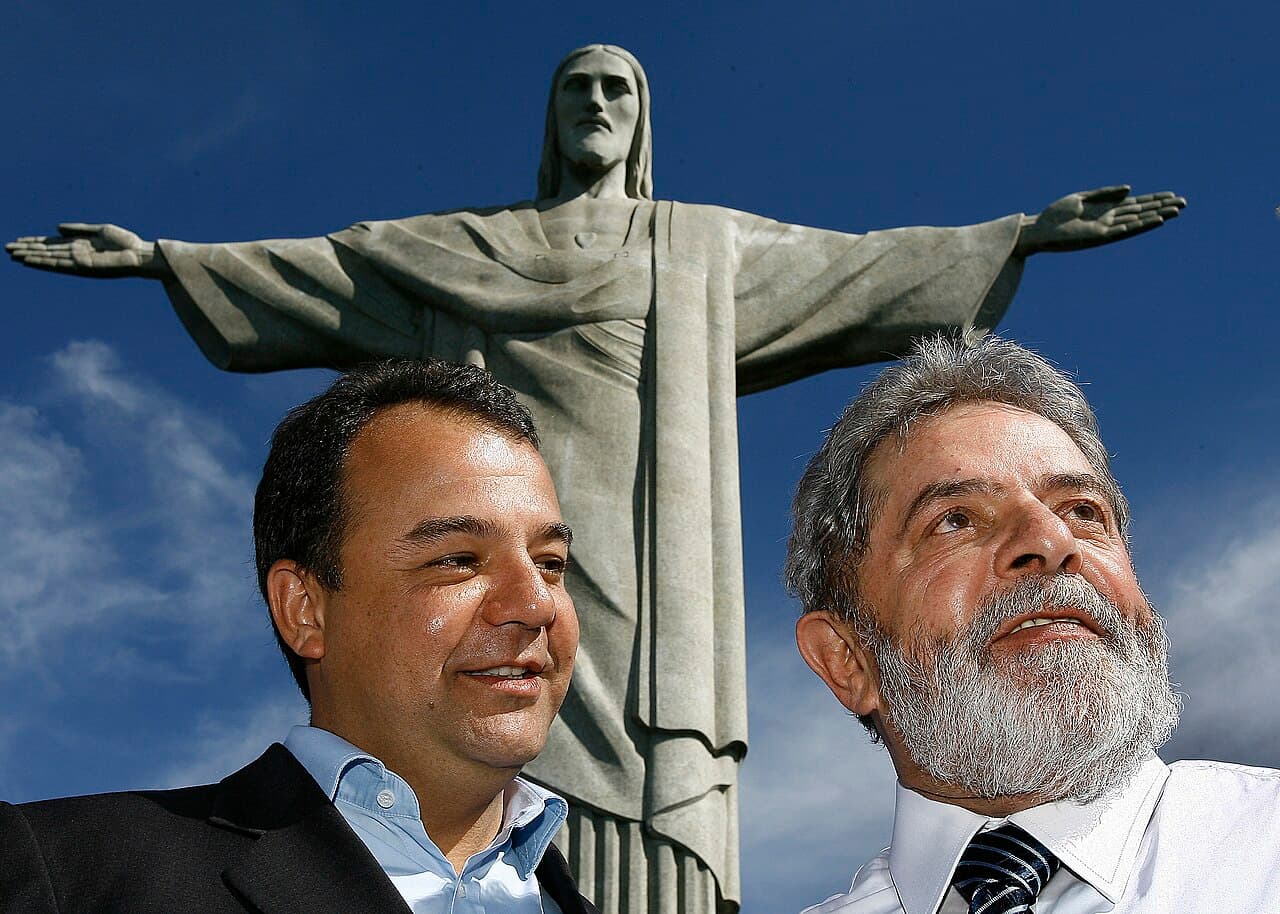
Brazilian President Luiz Inácio Lula da Silva has proposed a significant change to the mechanism for appointing judges to the nation’s highest court, the Supreme Federal Court (STF), suggesting candidates first pass through a screening council of lawyers and civil society members before his final nomination. Speaking in an interview on Sunday, the President argued that the current model, which grants the executive branch the sole power to nominate lifetime justices, should be reformulated to include broader input from society and reduce the perception that the appointment is simply a personal choice, which he called a "mistake" in the current system. The move instantly ignites a volatile debate over institutional balance and the politicization of Brazil’s judiciary, an institution whose outsized role in the country’s political life has drawn intense scrutiny in recent years.
For a foreign audience, understanding the Supreme Federal Court's power is essential: the STF is the ultimate constitutional court in Brazil, with its eleven justices holding final say on the constitutionality of laws, overseeing sensitive corruption and political investigations, and judging federal officials, including the President and members of Congress. Under the current system, the President of the Republic selects a nominee, who must then be approved by an absolute majority of the Federal Senate. Once confirmed, justices serve for life until the mandatory retirement age of 75. Lula's suggestion to introduce a pre-screening council is designed to fundamentally alter that dynamic, which he indicated would be part of his agenda should he pursue a fourth term in office.
The proposal comes amid a period of heightened tension and political friction involving the judiciary and the executive. Earlier this year, in a rare act of political independence, the Senate rejected one of President Lula’s high-profile nominees, his former Attorney General Jorge Messias, a historic and humiliating defeat for the sitting president. The discussion also mirrors a broader, cyclical debate in Brazil about potential judicial reforms, including calls for fixed terms for STF justices, which Lula has also previously expressed openness to discussing. Proponents of reform argue that a more pluralistic selection process would enhance the court's legitimacy and reduce its reliance on the personal relationship between the President and his nominees.
Any actual change to the STF appointment criteria would require a Constitutional Amendment, a complex legislative process that must be approved by three-fifths of both the Chamber of Deputies and the Federal Senate. Lula’s comments, therefore, serve to frame a potential policy fight with Congress and signal to voters and institutions his desire to reduce the political pressure inherent in the current appointment system. While the proposal is still nascent, it puts the stability of one of Brazil’s core institutions directly on the agenda as political campaigning intensifies.
What it touches Discussions about altering the selection process for Brazil's highest court are closely monitored by investors and analysts because they directly address the country's institutional risk and the rule of law. The Supreme Federal Court has played a critical role in recent years by resolving high-stakes political, economic, and anti-corruption cases, meaning any shift in its composition or appointment mechanism is seen as a potential factor in a changing country risk premium.
Related coverage
Politics
STF President Fachin Seeks to Avert Institutional Crisis as Justices Clash on Election Eve
Published
Politics · PRO
Final Quaest Poll Shows Lula Pulls Ahead in First Round of Brazil Election, Runoff Remains Tied
Published
Politics
Judicial Clash Over Election Censorship Exposes Rift in Brazil’s Supreme Courts
Published