
Lula Criticizes 'Digital Neoliberalism' at UN, Demands Global Governance for AI and Big Tech
Brazilian President Luiz Inácio Lula da Silva used his address at the UN General Assembly to call for a multilateral regulatory framework for artificial intelligence and Big Tech.
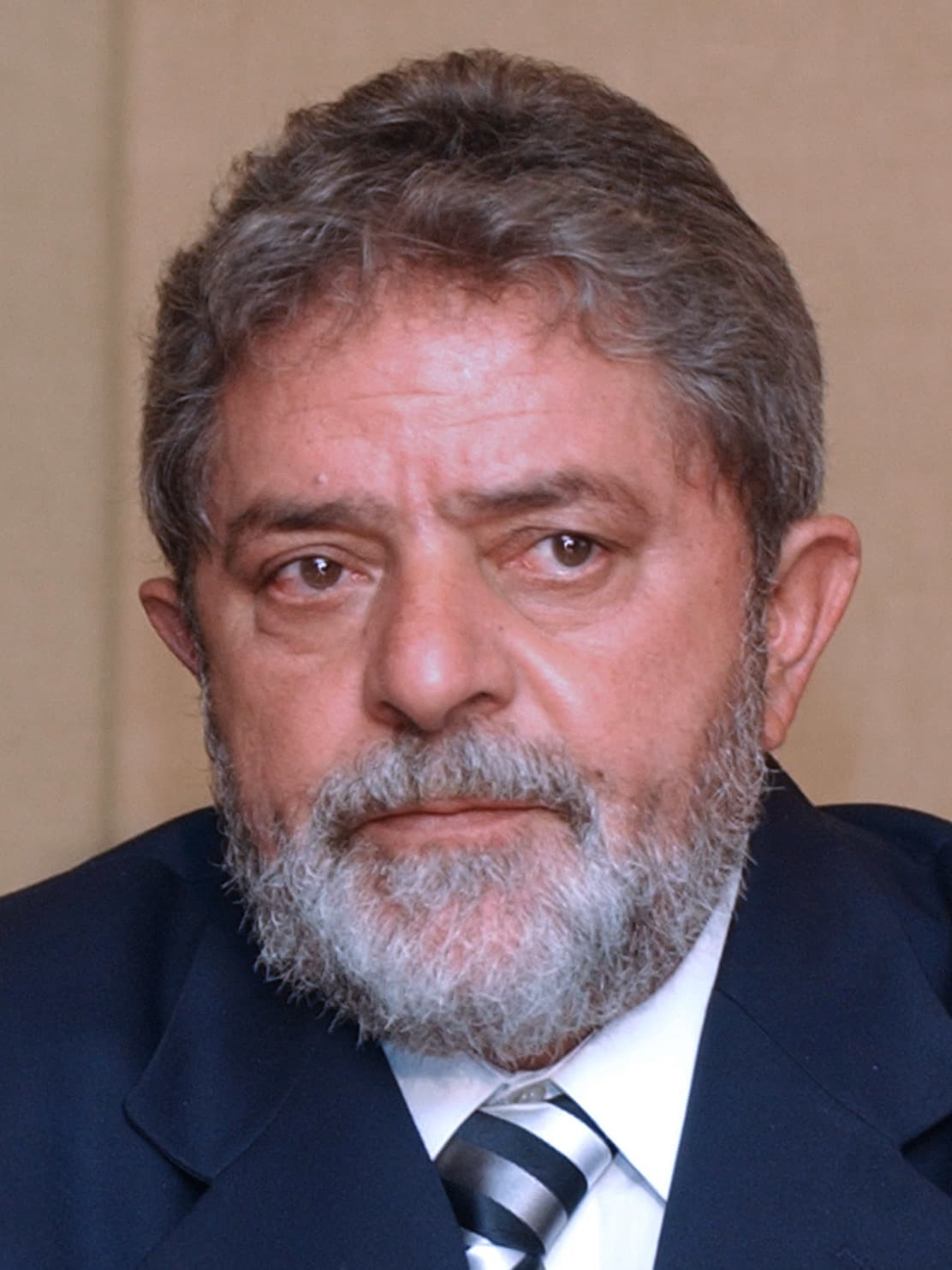
Brazilian President Luiz Inácio Lula da Silva used a recent address at the United Nations General Assembly (UNGA) to denounce the power concentration of global technology firms, calling for an urgent, multilateral regulatory framework for artificial intelligence and Big Tech. Lula, a veteran leftist leader who advocates for the Global South, criticized what he termed “a version of digital neoliberalism, without rules or transparency” pushed by “a handful of techno-oligarchs,” demanding that technology should reduce, not deepen, global inequalities.
The call for international control signals that the administration in Brasília will continue to pursue a strong, state-led regulatory framework that is increasing compliance risks for multinational technology companies operating in Brazil. Speaking before world leaders, the President argued that data produced by citizens and institutions are being appropriated by a few conglomerates without equivalent returns in value for the territories where that information originates. He specifically called for a UN-led governance model, emphasizing that no other forum can replace the universality of the United Nations for an international framework that is multilateral, inclusive, and development-oriented.
This rhetoric is an extension of Brazil's current legislative approach to digital policy. The country already operates under the Lei Geral de Proteção de Dados (LGPD), its comprehensive data protection law modeled after the European Union's GDPR. Furthermore, Brazil's Congress is actively debating Bill 2338/2023, which would establish a national legal framework for AI, following a human rights-based, risk-management approach that includes bans on certain high-risk systems and strict oversight for others. This domestic effort to rein in technology power provides a clear legislative foundation for Lula's international push.
For multinational Big Tech companies, the President's call confirms that Brazil is serious about creating a tightly regulated digital environment. Brazilian regulators and the judiciary are already taking action on digital-related issues, from launching investigations into anti-competitive behavior by dominant search engines to passing new laws to protect children in the digital environment and combat disinformation. Lula’s latest push aims to export this regulatory philosophy onto the global stage, positioning Brazil as a key leader in the push for technology governance from the developing world.
The next step is for the United Nations to consolidate the Global Digital Compact, a proposed initiative that Lula has openly endorsed as the foundation for the new governance model. At the domestic level, foreign companies will watch the progress of AI legislation in the Chamber of Deputies, which is the final legislative hurdle for Bill 2338/2023 before it becomes law.
Related coverage
Politics · PRO
Lula Rejects Privatization of PIX, Doubling Down on State Control of Brazil’s Digital Finance
Published
Politics
Brazil’s Ruling Party Petitions Supreme Court to Audit Flávio Bolsonaro Amendments Over Militia Link
Published
Politics · PRO
Brazil President Lula Sanctions Compromise Bill, Phasing Out Payroll Tax Relief for 17 Key Sectors
Published