
Lula Coalition Secures Largest Block of Free Electoral Airtime for Presidential Race
Brazil's Superior Electoral Court set the free airtime, giving incumbent Lula's coalition a significant advantage over Flávio Bolsonaro.
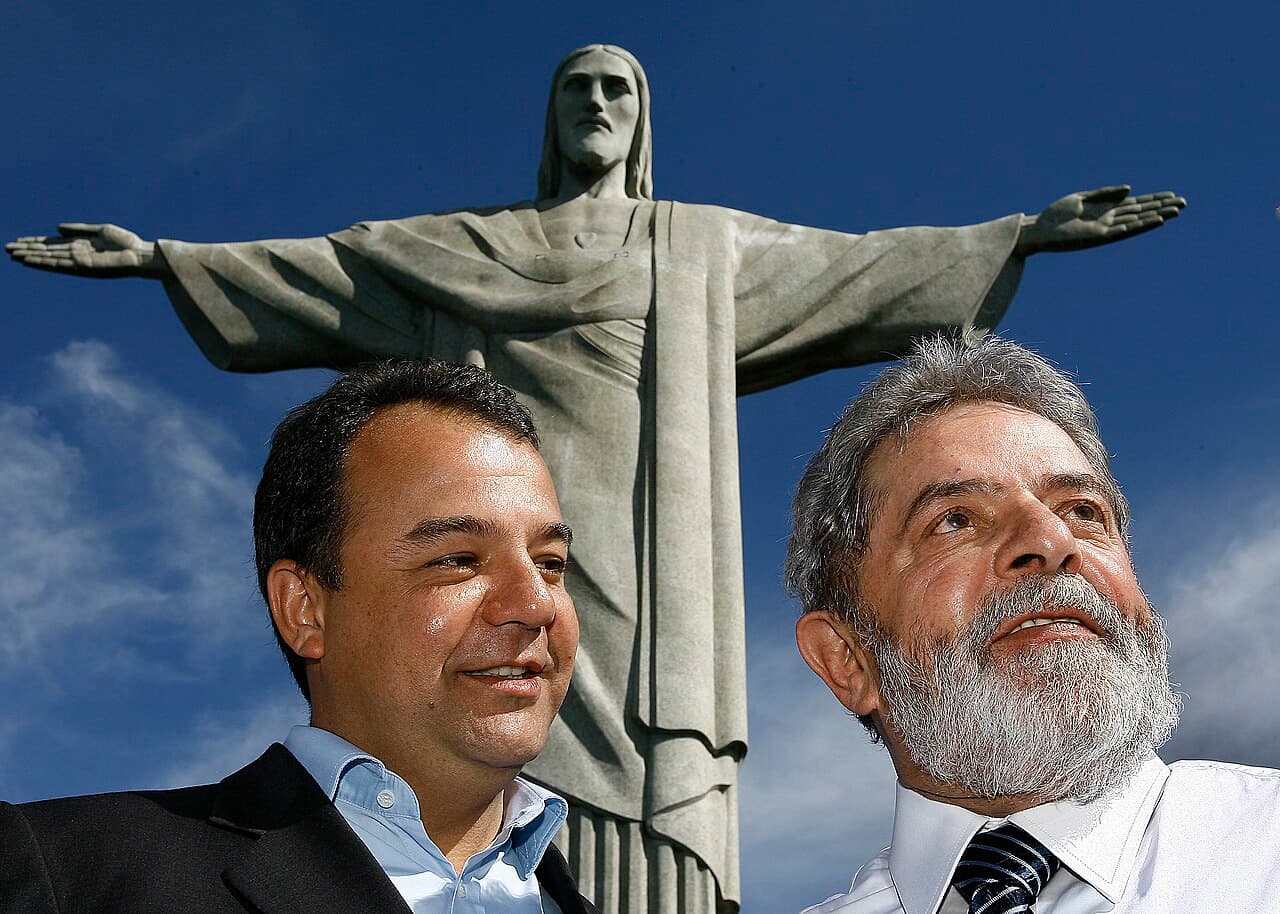
The Superior Electoral Court (TSE) of Brazil has finalized the allotment of free electoral advertising time on radio and television, granting a significant advantage to the coalition supporting incumbent President Luiz Inácio Lula da Silva. The coalition secured the largest daily time slot with five minutes and 31 seconds, commencing when the mandatory political broadcasts begin on August 28. This allocation, which reflects the current political reach and strength of the competing alliances, gives President Lula a clear edge in direct voter outreach over the airwaves.
The challenger, Senator Flávio Bolsonaro of the Liberal Party (PL), who is the son of former President Jair Bolsonaro, has secured the second-largest daily share with four minutes and 20 seconds. The differential—over a full minute each day—is a direct measure of the structural support each campaign has managed to assemble ahead of the first-round vote in October. Free electoral time is considered critical in Brazil, as it provides candidates a means to reach the majority of the electorate, particularly in regions with limited internet access, bypassing the need for expensive private media buys.
The key to the lopsided time allotment lies in the Brazilian election law mechanism, which mandates that the advertising time be calculated based on the parties' and coalitions' representation in the Chamber of Deputies, the lower house of the Brazilian National Congress. Strong alliances that incorporate several parties with large congressional benches secure more time. The final allotment confirms that Lula’s Workers’ Party (PT) was more successful in stitching together a broad coalition of parties, while the PL, despite its standing as a major party, was unable to secure as many allied minutes to support the younger Bolsonaro’s presidential bid.
The Superior Electoral Court, or Tribunal Superior Eleitoral, is the apex body of Brazil’s Electoral Justice system, playing a critical role in organizing, supervising, and judging all federal and state elections. Composed of seven justices drawn from the Supreme Federal Court and other superior courts, the TSE’s mission is to ensure the rule of law and equality in the electoral process, including the application of the complex rules governing campaign finance and advertising. The free airtime, which includes radio and television spots running over the next several weeks, will be mandatory for broadcasters and provides the main platform for each campaign to define their message before the first round of voting in October.
Related coverage
Politics · PRO
Brazil Supreme Court Moves to Impose Binding Fiscal Discipline on All Government Spending
Published
Politics · PRO
Brazil’s PPSA Schedules First Auction to Break Petrobras Gas Monopoly, Targeting 50% Price Cut for Industry
Published
Politics · PRO
Brazil’s Election Defined by Stark Fiscal Divide Over High Debt and 13.75% Interest Rate
Published