
Lula Campaign Uses Bad Bunny’s Anti-Colonial Anthem to Frame Brazil Election as Sovereignty Fight
President Luiz Inácio Lula da Silva's campaign launched a new ad using a version of Bad Bunny's hit "Lo Que Le Pasó a Hawaii" to promote national sovereignty and criticize perceived US influence.
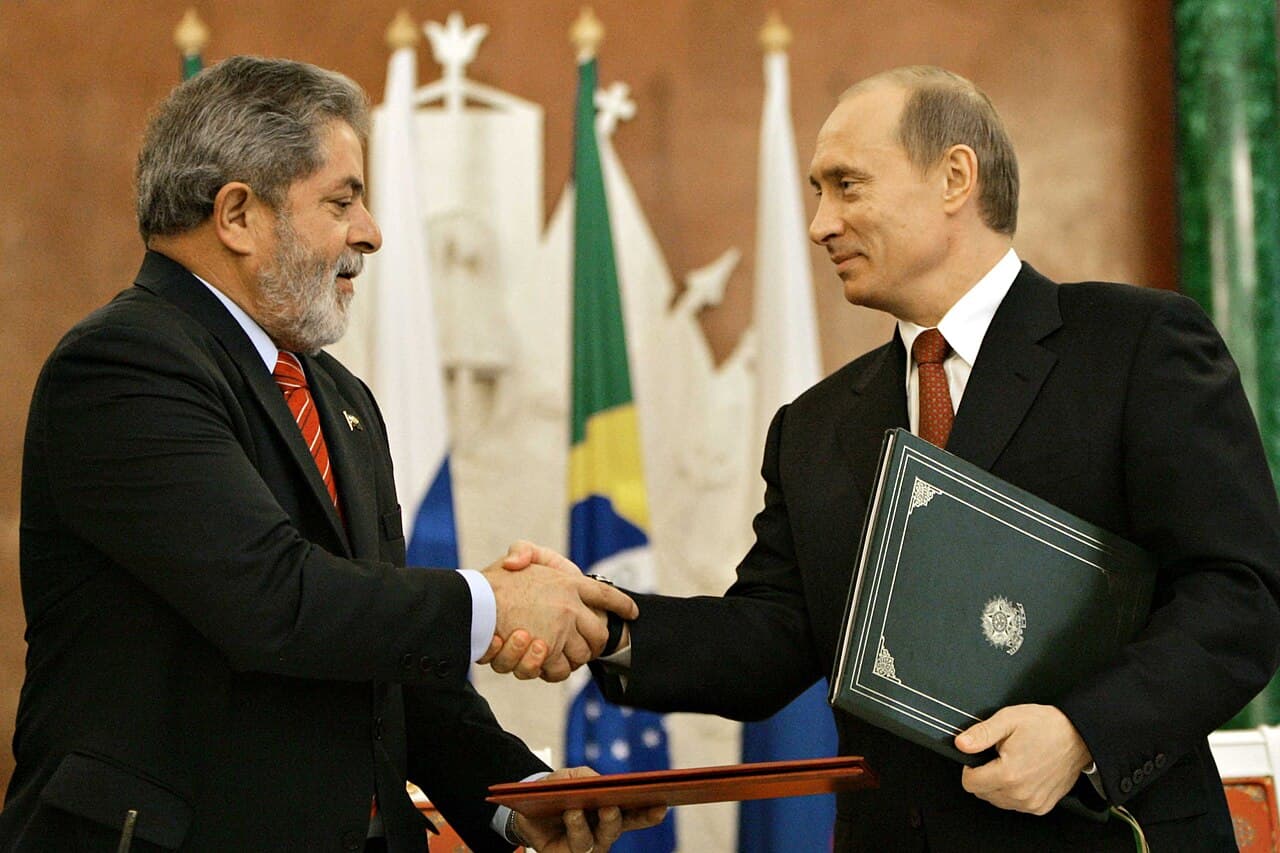
President Luiz Inácio Lula da Silva’s re-election campaign has adopted an unlikely international cultural weapon, using a modified version of Puerto Rican superstar Bad Bunny’s hit song “Lo Que Le Pasó a Hawaii” in a new electoral advertisement. The move frames the upcoming Brazil election as a fight for national sovereignty against foreign influence and serves as a direct political critique of his opposition's perceived ties to the United States.
The commercial uses the melody and central concept of Bad Bunny’s track—which critiques gentrification, loss of identity, and U.S. colonial influence in Puerto Rico by comparing it to the history of Hawaii—to rally support around Brazilian themes. The adapted lyrics in Portuguese exchange references to the Caribbean island for national resources and territory, warning against those who “want to take the river, and the beach too, they want the rare lands, they want us to leave.” The campaign claims the use of the Grammy-winning song, known for its strong political stance against imperialism, was authorized by the artist’s team.
By leveraging a globally recognized song about American soft power and displacement, the Lula campaign is translating a complex foreign policy stance into a relatable cultural message for the electorate. The advertisement explicitly contrasts the message of national protection with images of the opposition, specifically showing supporters of former President Jair Bolsonaro's son, Senator Flávio Bolsonaro, carrying U.S. flags, and making visual references to the administration of former US President Donald Trump. This reinforces the governing Workers’ Party (PT) narrative that their political rivals are too aligned with foreign interests and risk Brazil’s independence over its natural resources and indigenous culture.
The musical jab lands at a moment when Lula is aggressively promoting his foreign policy agenda. Just days before the ad’s release, President Lula, an international figure in his own right, used his address at the United Nations General Assembly to speak on national sovereignty, condemning foreign interference in Brazilian electoral processes. The ad also features a voice-over from celebrated actor Wagner Moura, best known internationally for playing Pablo Escobar in Narcos, who introduces the piece with a commentary on the Brazilian surname "Silva" and the nation's identity, further grounding the political message in a narrative of cultural pride.
This high-profile, culture-driven political advertisement sets a clear ideological line for the remainder of the campaign, making sovereignty and anti-interventionism central issues. By associating his opposition with an outside power seen as threatening to the country’s independence, President Lula is aiming to mobilize his base and define the political choice for voters ahead of the October general election.
Related coverage
Politics
Brazil Central Bank Cuts 2026 GDP Forecast After Lula Boosts Social Spending
Published
Politics · PRO
Gold Laundering Scheme Worth $2 Billion Evades Brazil’s Amazon Mining Crackdown
Published
Politics · PRO
Unprecedented Judicial Infighting at Brazil's Supreme Court Raises Institutional Risk
Published