
Lula Boosts Welfare, Promises Expensive Weight-Loss Drugs Weeks Before Brazil Election
President Lula announced a 15.04% increase to the Bolsa Família benefit and the inclusion of Semaglutide in the public health system, just 17 days before the first-round election.
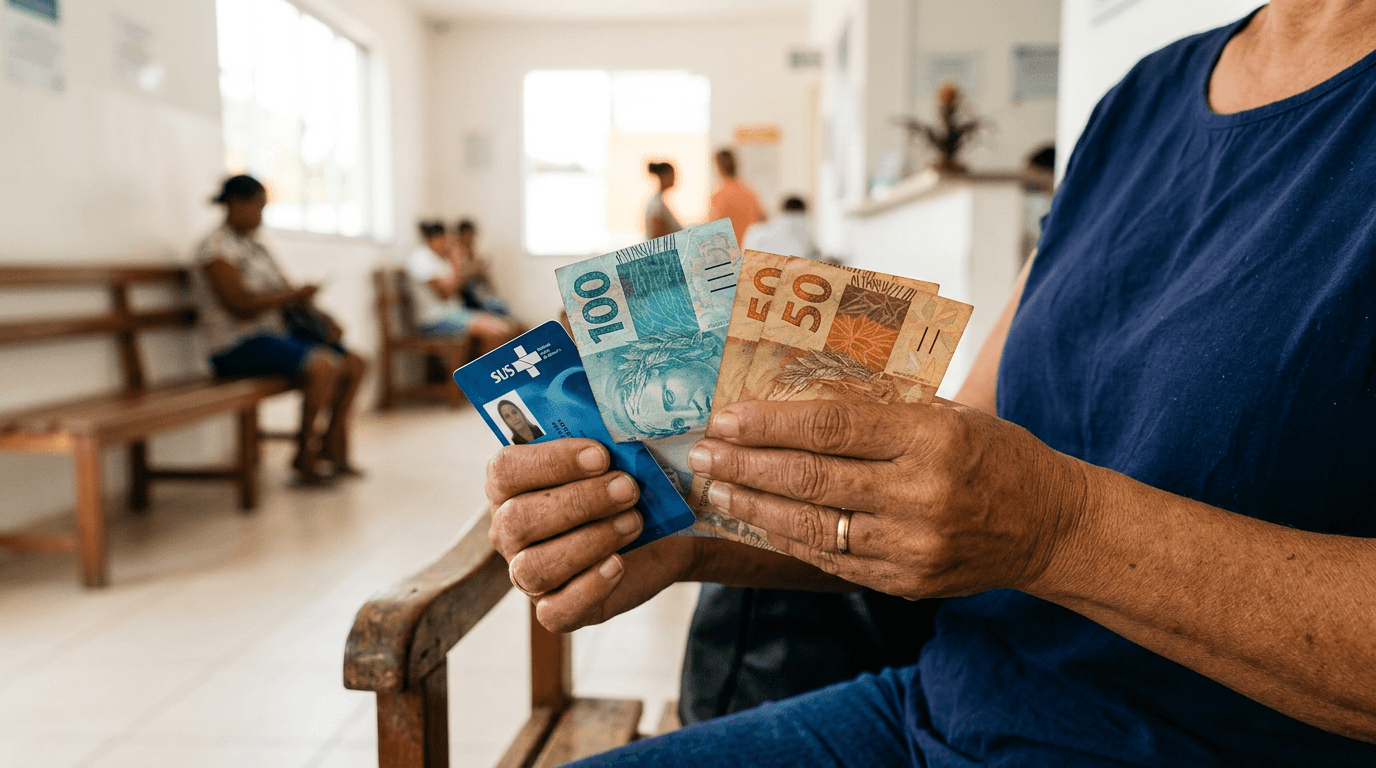
President Luiz Inácio Lula da Silva announced a 15.04% increase in Brazil’s primary social welfare benefit and promised to incorporate high-cost injectable weight-loss medication into the public health system, making the announcements mere weeks before the country’s October 4, 2026, general election. The minimum monthly benefit for the Bolsa Família program will rise from R$600 to R$691, a move which political rivals immediately branded as an “eleitoreira”—or electoral—measure designed to sway the vote.
The Bolsa Família program is the country's flagship conditional cash transfer program, supporting nearly 19 million low-income families. The newly re-adjusted payments, which the government said compensates for accumulated inflation, will begin dropping into beneficiaries' accounts on October 19. This date is after the first round of voting on October 4, but before a potential second round on October 25. According to the Ministry of Planning and Budget, the cost of the increase will be R$5.8 billion in 2026 and R$22 billion in 2027, adding significant pressure to the federal budget.
In a separate announcement, President Lula promised to incorporate GLP-1 analogs, commonly known as Semaglutide and marketed as Ozempic or Wegovy, into the SUS (Sistema Único de Saúde), Brazil’s public health system. The drug is used to treat Type 2 diabetes and obesity but carries a high market cost. The announcement is politically consequential because a government committee, the National Commission for the Incorporation of Technologies (Conitec), had previously recommended against the inclusion of the drug due to its estimated cost of roughly R$7 billion over five years.
The official decision on the drug’s inclusion has been postponed until after the first-round election, with the next Conitec meeting scheduled for October 7. The dual pre-election announcements of expanded welfare and high-cost medicine raise immediate questions about the political influence on budgetary policy and the fiscal commitments being made in the high-stakes environment of the Brazil election cycle.
What it touches The announcements directly expose Brazilian public finances to significant new expenditures, with the Bolsa Família increase carrying a minimum R$22 billion annual commitment by 2027. The promised incorporation of expensive pharmaceuticals like Semaglutide into the SUS also affects the healthcare sector, specifically major pharmaceutical companies that bid to supply the public health system.
Related coverage
Politics · PRO
Brazil's Sovereign Risk Hits Lowest Level Since Pre-Pandemic Era
Published
Politics · PRO
Brazil’s Tax Overhaul Forces Small Businesses to Decide on Cash Flow-Squeezing ‘Split Payment’ by Month’s End
Published
Politics · PRO
Photo Links Brazil’s Prosecutor General to Banker Under Financial Investigation
Published