
Lula Attacks UN Credibility, Demands Security Council Reform and Warns Against Foreign Interference
Brazilian President Lula used his UN General Assembly address to demand reform of the Security Council and to warn that 'Brazil is nobody's backyard.'
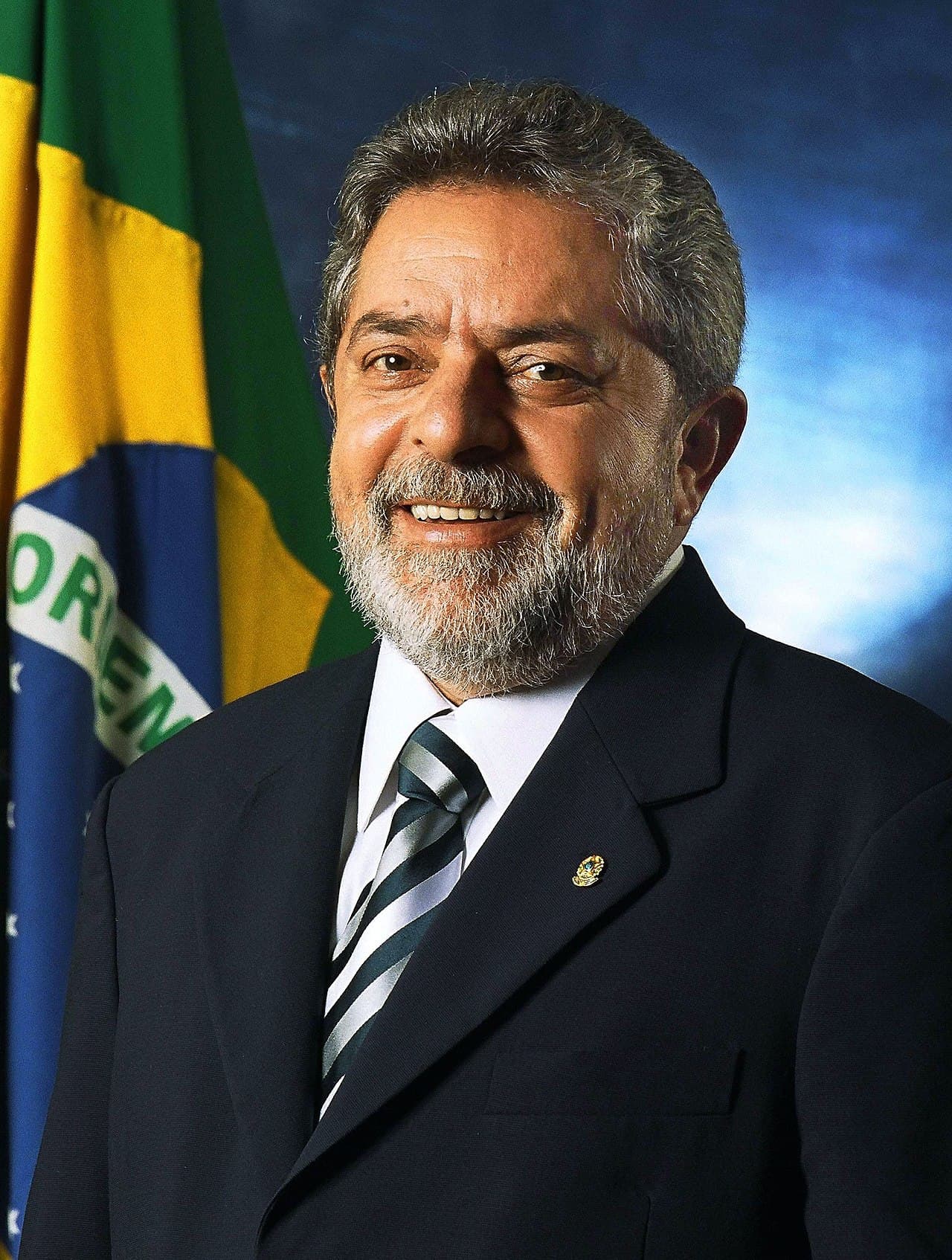
Brazilian President Luiz Inácio Lula da Silva opened the 81st United Nations General Assembly in New York by delivering a sharp rebuke of the institution's effectiveness and issuing a direct warning to foreign powers against interfering in his nation's politics. Speaking on Tuesday, Lula claimed the UN was "failing" in its core mission and that its credibility had "never been so low" due to its inability to prevent or stop global conflicts.
The paralysis, according to the Brazilian leader, lies with the UN Security Council, which he called a body that "does not fulfill its role" and whose decision-making is hostage to the veto power of its five permanent members. Lula asserted that the Council's structure, which excludes a permanent seat for major regions like Latin America and Africa, is an "unacceptable echo of domination" that does not reflect the contemporary world. He maintained that the international community must choose between a reformed multilateralism and a system succumbing to the "law of the stronger."
Lula then shifted his focus to national sovereignty, issuing a clear message ahead of Brazil’s general election in October. "Brazilian democracy belongs to Brazilians," he stated, adding the pointed phrase, "Brazil is nobody's backyard." The warning was broadly interpreted as a challenge to the United States and the administration of President Donald Trump, which has been accused by Lula's government of economic and political meddling, including through recently imposed tariffs and the designation of Brazilian criminal groups as foreign terrorist organizations.
The president framed the remarks as a defense against a resurgence of "hegemonic ambitions" and "neocolonial encroachments" on resources and elections in Latin America. He stressed that Brazil would not "outsource the responsibility of defending" its borders, arguing that international cooperation to stop the flow of weapons and illicit money is needed more than "aircraft carriers patrolling our waters." The speech positioned Brazil not only as a critic of the global power structure but as a leader of the Global South, advocating for multilateral solutions, including his government’s initiative for a Global Alliance Against Hunger and Poverty.
Lula's speech sets the tone for Brazil’s international policy as the country heads to a high-stakes election on October 4th. The message of absolute sovereignty and non-interference is a key political pillar, intended to galvanize domestic support against what his campaign portrays as external attempts to undermine the vote, pitting his defense of brazilian democracy against his political rivals.
Related coverage
Politics
Brazil Mines Rare Earths to Challenge China’s Global Grip, Targeting EU Supply Chain
Published
Politics
Brazil’s Centrão Bloc Quietly Signals Support for Flávio Bolsonaro in Runoff Against Lula
Published
Politics · PRO
Brazil’s Green Energy Push Faces Social Risk as Farmers Sue French Wind Operator Voltalia in Northeast
Published