US consumer giants face margin squeeze in Brazil as 'sin tax' looms
Brazil's upcoming consumption tax reform triggers a showdown over a new Selective Tax, threatening margins for multinational beverage and tobacco brands.
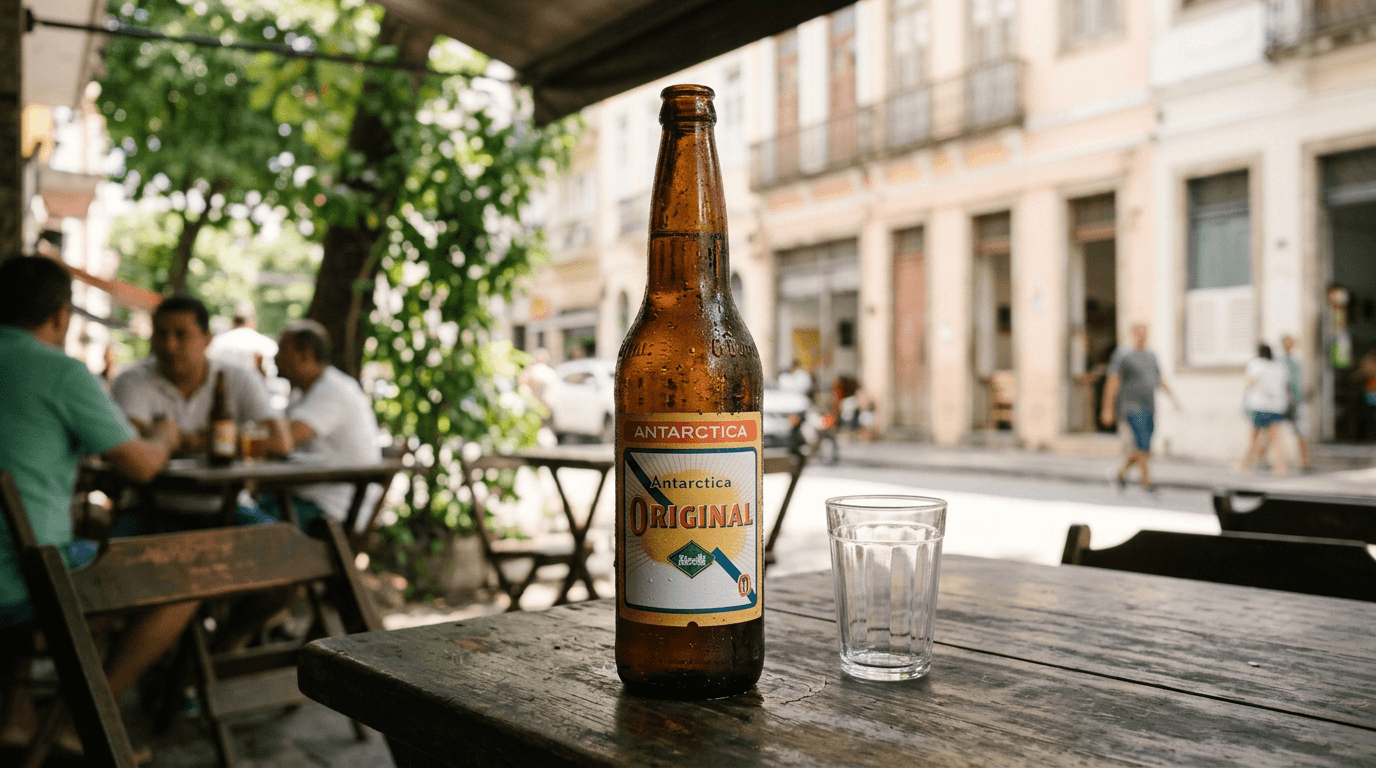
Global consumer goods companies selling beverages, tobacco, and processed foods in Latin America's largest economy are bracing for a major shift in their pricing power. As the final details of Brazil's sweeping consumption tax reform are hammered out, multinational corporations face a new "Selective Tax"—popularly dubbed the "sin tax" (imposto do pecado)—designed to penalize products deemed harmful to health or the environment. The final structure of this levy will directly dictate the profit margins of global brands operating in the country starting in 2027.
The legislative battleground centers on a comparison between two distinct political approaches to consumption taxes. Under the previous administration of Jair Bolsonaro, the economic team led by Paulo Guedes proposed a flat federal consumption tax (CBS) of 12%. The current administration of Luiz Inácio Lula da Silva, working with Congress, has instead advanced a dual Value-Added Tax (VAT) model. This system splits the burden into the federal CBS and a regional tax (IBS) managed by states and municipalities. On November 7, 2026, Brazil's Federal Court of Accounts (TCU) estimated that the federal CBS portion alone will land at 11.3% in 2027, but the ultimate tax burden for consumer goods will be significantly higher once regional taxes and the selective "sin tax" are added.
For foreign investors, the primary concern is how these overlapping taxes will affect consumer demand. The TCU's latest projections have drawn sharp criticism from industrial groups, as analysts warn that the combined dual VAT could exceed 30% by the time it is fully phased in by 2033. To avoid political fallout, Brazilian lawmakers delayed finalizing the specific rates for the selective "sin tax" on alcohol, sugary drinks, and tobacco. Now, the Senate has until December 15, 2026, to officially set the initial parameters.
The political risk for multinational corporations lies in the mechanism of the tax itself. Unlike standard value-added taxes that allow companies to claim credits throughout the production chain, the Selective Tax is a single-phase levy applied directly to the point of production or import. This means companies cannot offset the cost, forcing them to either absorb the tax hit—compressing their net margins—or pass the cost entirely to Brazilian consumers, which could severely depress sales volumes in a highly price-sensitive market.
In your brokerage app
For retail investors holding shares of Ambev, the New York-listed Brazilian brewing giant, or exchange-traded funds with heavy exposure to Brazilian consumer staples like the iShares MSCI Brazil ETF, this tax transition is the critical variable to watch over the coming weeks. The final rate voted by the Brazilian Senate before the mid-December deadline will determine whether these companies can maintain their historically strong dividend payouts or if they will have to adjust their guidance for 2027.