
Loneliness and Exhaustion Driving Political Abstention in Brazil, Threatening Democratic Stability
A new study from Datafolha and Avaaz links high voter abstention in Brazil to feelings of loneliness and mental exhaustion, particularly among young people.
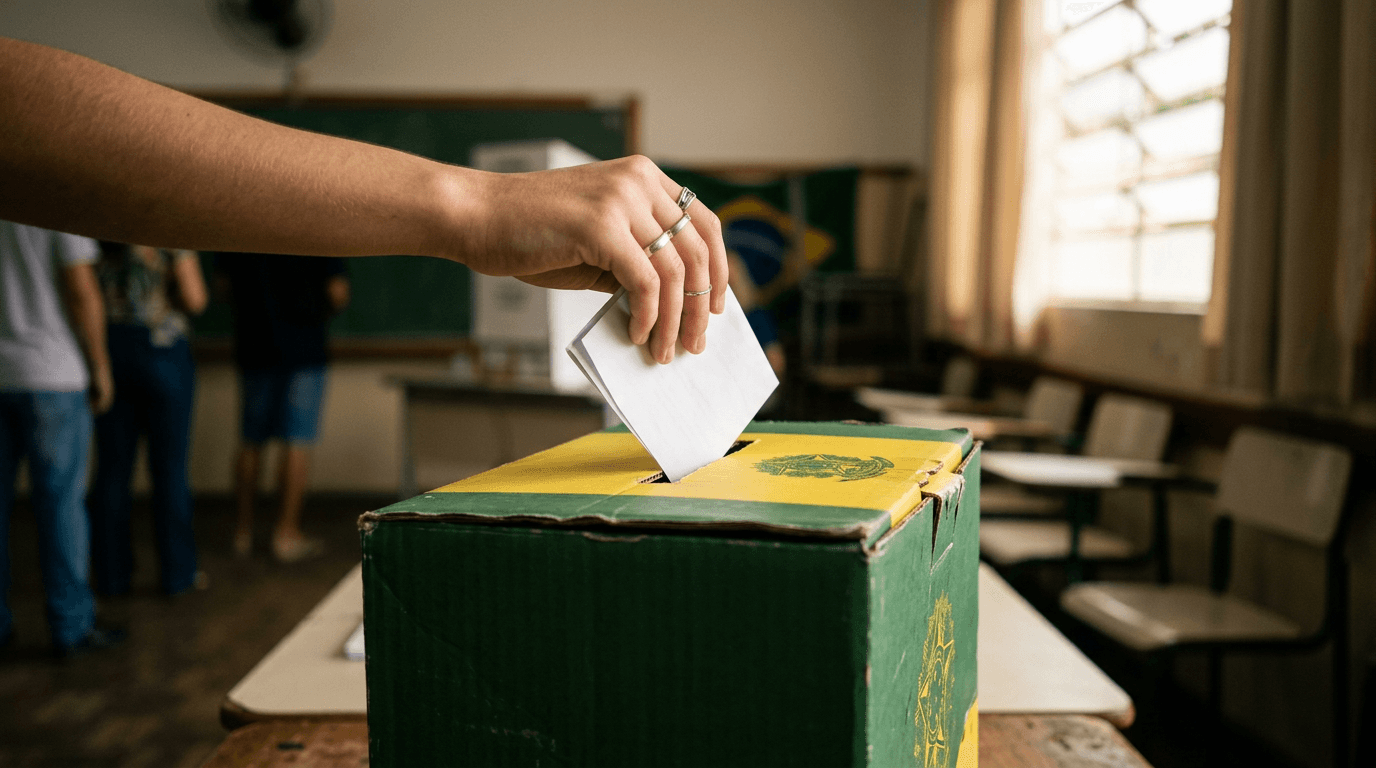
A new study into voter behavior in Brazil suggests that political apathy is being fueled by social and mental health factors, with feelings of loneliness and mental exhaustion now linked to high rates of electoral abstention. The findings, from the Termômetro do Bem Viver (Thermometer of Well-Being) study conducted by polling institute Datafolha and the civic organization Avaaz, introduce a new dimension to the issue of voter disengagement in Brazilian politics.
Approximately 30 million voters abstained from recent elections in Brazil, according to the research, which sought to identify the root causes beyond simple dissatisfaction with specific politicians or parties. Instead, the analysis points to a "cycle of isolation and exhaustion" combined with excessive use of digital media as key reasons why a substantial bloc of the electorate is not participating in mandatory-voting elections.
The demographic most affected by this detachment are young voters. People aged 18 to 34 represent 44% of the group classified as "disconnected" – those who rarely or never vote. This group's withdrawal from the polls carries serious implications for the long-term legitimacy of the electoral mandate and poses a risk to democratic stability. Among the 'disconnected' voters, only 30% considered the democratic regime to be non-negotiable, a sharp contrast to the 79% of 'connected' voters who hold that position.
Datafolha is one of Brazil's most respected public opinion research institutes, while Avaaz is a global civic organization. Their joint study reframes rising voter abstention not just as a political problem, but as a crisis of social connection and mental health that has a direct impact on governance. The research suggests that a large portion of the electorate feels powerless to effect collective change, leading them to disengage entirely from the political process. Understanding these underlying drivers of apathy will be critical for any efforts to boost participation in future elections.
What it touches
The long-term threat to democratic stability and the legitimacy of electoral mandates suggested by the study are factors that contribute to Brazil's country risk premium and overall governance stability perception. While the study does not directly affect traded assets, any measure of political fragmentation and decreased support for core democratic institutions is watched by investors who factor political uncertainty into their assessments of the Brazilian market.