
Justice Luiz Fux Leads Brazil Supreme Court Battle Over Betting Ban
Supreme Court Justice Luiz Fux takes charge of legal challenges to President Lula's sudden online gambling ban as soccer clubs warn of massive financial losses.
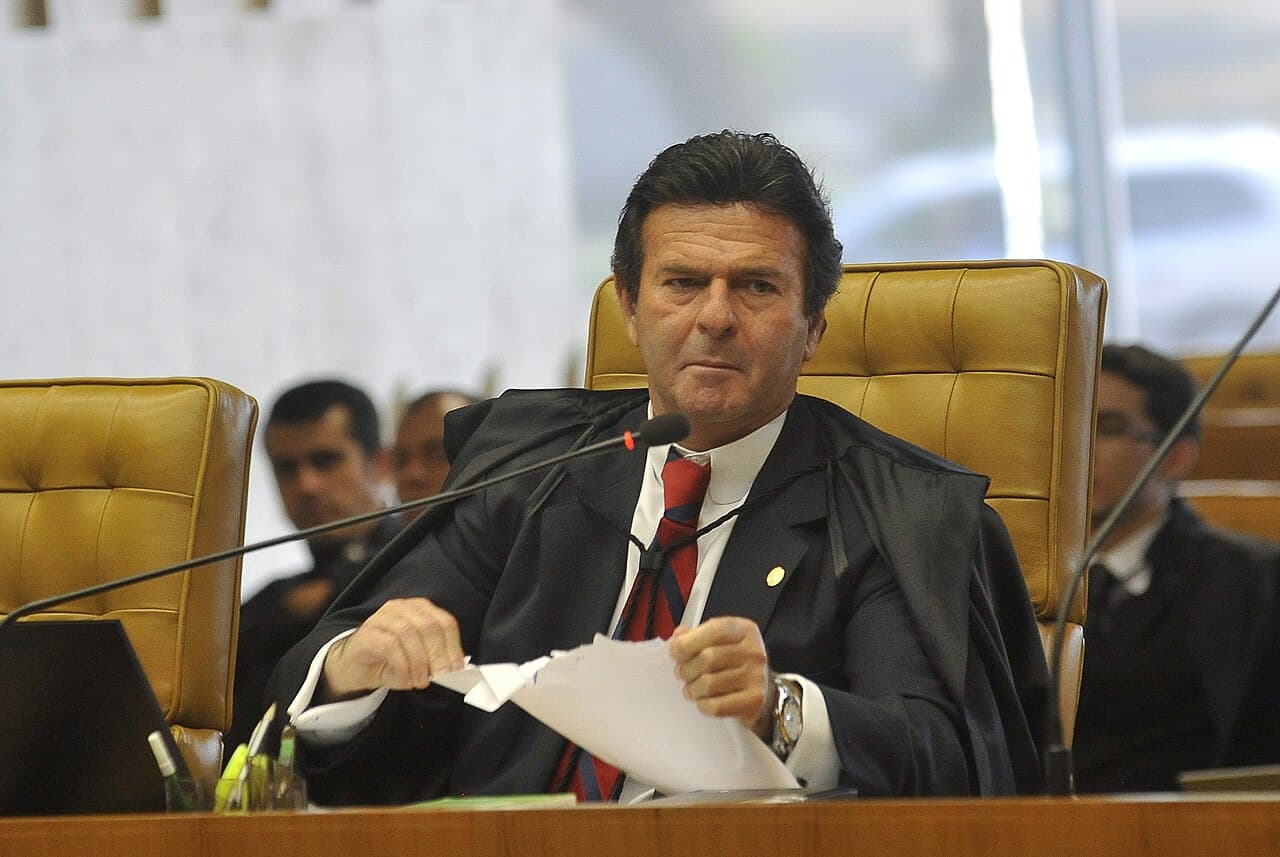
The legal battle over Brazil’s sudden ban on online betting has moved to the country's highest judicial stage. Supreme Court Justice Luiz Fux has been designated as the rapporteur to lead the review of multiple lawsuits challenging the executive order issued by President Luiz Inácio Lula da Silva, which effectively shut down the country's multi-billion-dollar sports betting industry.
The high-stakes legal clash began after President Lula signed Provisional Measure No. 1,394 on September 25, 2026. The executive order immediately prohibited the operation, offering, and advertising of fixed-odds sports betting and online games, citing a public health crisis driven by household debt and gambling addiction. Under the government's timeline, new deposits were blocked instantly, users have until October 5 to withdraw their funds, and all licensed betting platforms must be taken offline by telecom regulators on October 6.
Justice Fux, a highly respected senior member of the Brazil Supreme Court, was appointed to oversee the cases because he was already handling previous constitutional challenges related to the sector's regulatory framework. In his first major procedural move, Fux gave the federal government's Attorney General's Office (AGU) 72 hours to formally explain and defend the immediate nationwide ban. The AGU requested this window to coordinate its response with President Lula and the Ministry of Finance before the court decides whether to temporarily suspend the ban.
The sudden regulatory reversal has sent shockwaves through Brazilian soccer, the country's most culturally and financially significant sport. Major clubs, including Flamengo, Botafogo, and São Paulo, have petitioned the court to join the case as amici curiae ("friends of the court"). Flamengo, which was officially admitted to the proceedings by Fux on October 1, warned that the abrupt termination of its R$ 268 million ($51.4 million) annual sponsorship contract could cause up to R$ 430 million in losses by 2027. The clubs argue that the sudden ban causes severe "economic imbalance" and threatens their ability to pay player salaries and fund Olympic training programs.
Industry groups, such as the National Association of Games and Lotteries (ANJL) and the Brazilian Institute for Responsible Gaming (IBJR), argue that the ban violates constitutional principles. They point out that 85 companies had already paid R$ 30 million ($5.7 million) each for five-year operating licenses under a regulatory framework that officially opened in January 2025. The associations are asking the court to suspend the ban or grant a transition period of at least six months to prevent irreversible damage to the business environment.
The political stakes are equally intense. President Lula’s executive order came just over a week before the first round of the October 4 presidential election, where he faces a tight race against conservative Senator Flávio Bolsonaro. While Lula frames the ban as a necessary intervention to protect poor families from predatory platforms, the opposition has labeled the move as a populist, politically motivated campaign stunt. Because the ban was issued via a provisional measure, it must still be approved by Congress within 120 days to become permanent law. Justice Fux's upcoming decision on whether to grant an injunction will determine if the platforms actually go dark on October 6 or remain active while the broader constitutional battle plays out.
What it touches
The legal dispute directly impacts the domestic sports sponsorship market and the financial health of Brazil's top-tier soccer clubs, which rely heavily on betting brands for primary shirt sponsorships. It also exposes international gaming operators and payment processors to significant compliance and revenue risks as they rush to secure player withdrawals ahead of the October 5 deadline.