
Ideological Split: Ricardo Salles’s Senate Bid Fractures Brazil’s Right in Key São Paulo Race
Former Minister Ricardo Salles is challenging Governor Tarcísio de Freitas’s slate, threatening to split the conservative vote in Brazil’s largest state.
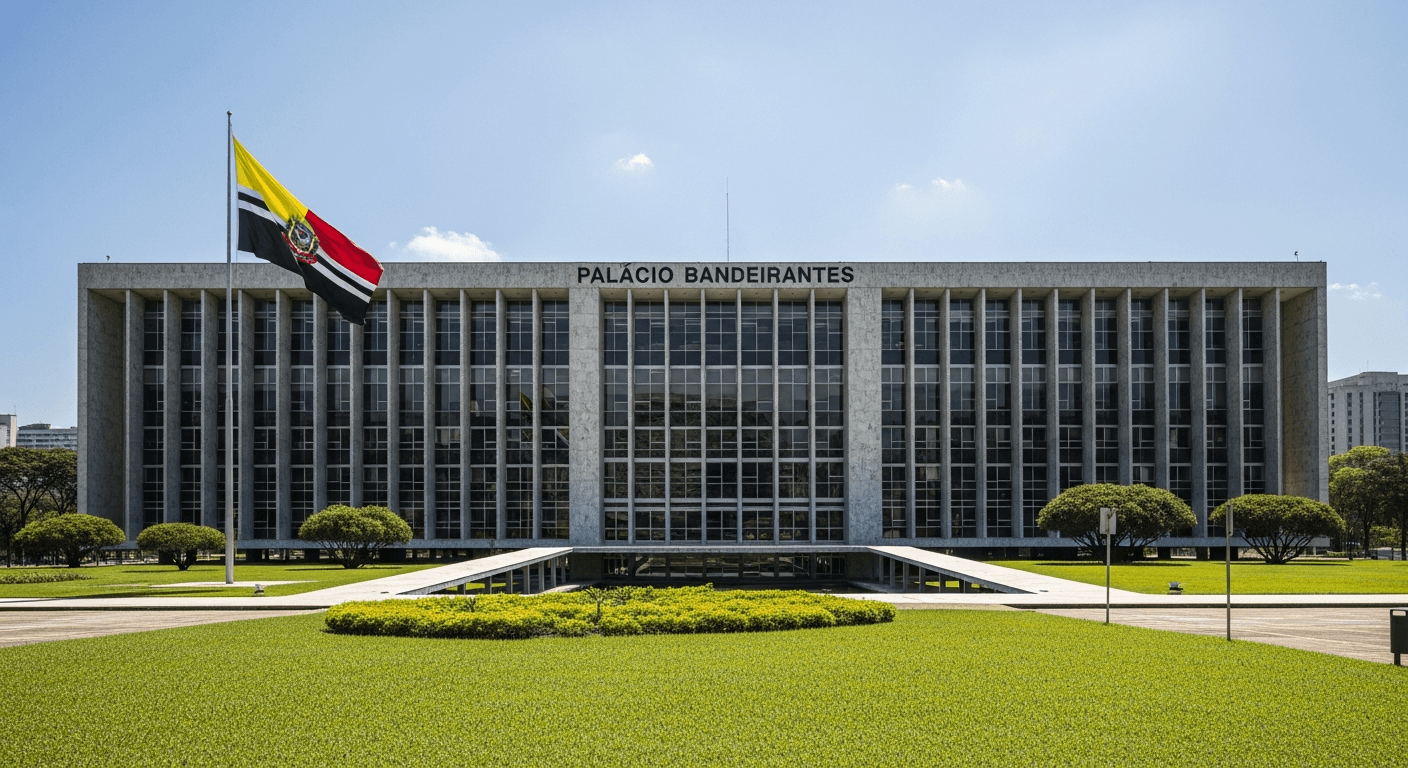
The campaign for the Senate in São Paulo, Brazil’s most populous and economically powerful state, is exposing a deep ideological fissure within the country’s right-wing political movement, pitting a hardline ideologue against the party’s rising pragmatic star. Former Environment Minister Ricardo Salles (Novo) has launched an independent bid for one of the state’s two open federal Senate seats, directly challenging the candidates endorsed by São Paulo Governor Tarcísio de Freitas (Republicanos) and threatening to fragment the conservative vote.
Mr. Salles, a federal deputy and a controversial figure who served in the Jair Bolsonaro administration, is positioning himself as the more "authentic Bolsonarista" and is explicitly attacking the Governor's official choice, André do Prado (PL), as insufficiently conservative. Mr. Prado, the current head of the São Paulo Legislative Assembly, represents the pragmatic, deal-making wing of the Liberal Party (PL), which Mr. Salles has dismissed as the "PL valdemarista," referring to the party's establishment leadership. This clash highlights the growing tension between the core ideological base of Bolsonarism—which Salles embodies—and the broader, more moderate right-wing coalition that Governor Tarcísio de Freitas is attempting to build as he solidifies his own national political standing.
The internal conflict is having a concrete impact on the election dynamic. Polls indicate that the former Minister of Environment is competitive, registering ahead of the Tarcísio-endorsed candidate in some surveys. However, the three-way split among Mr. Salles, Mr. Prado, and the Governor's other ally, Guilherme Derrite (PP), is fracturing the right-wing electorate. Political analysts suggest this fragmentation could ultimately cede both of the two Senate seats to candidates from the center-left opposition, such as Marina Silva (Rede) or Simone Tebet (PSB). This risk of inadvertently electing the opposition is the price of the ideological battle now raging on the right.
The political infighting in São Paulo is not merely a local curiosity; it serves as a critical barometer for the direction of the right in the 2026 national elections. Governor Tarcísio de Freitas, a former Infrastructure Minister under Mr. Bolsonaro, is widely viewed as a potential presidential frontrunner due to his technocratic image and governing success in Brazil's largest state. The challenge from Salles demonstrates that Mr. Tarcísio’s strategy of building a pragmatic, big-tent coalition is under threat from within his own base, which demands a more hardline, ideological approach. The outcome of the São Paulo Senate race will therefore not only determine the state’s representation in the National Congress but also signal which faction—the pragmatic or the ideological—is gaining the upper hand in the post-Bolsonaro conservative movement.
Related coverage
Politics · PRO
Brazil Supreme Court Moves to Impose Binding Fiscal Discipline on All Government Spending
Published
Politics · PRO
Brazil’s PPSA Schedules First Auction to Break Petrobras Gas Monopoly, Targeting 50% Price Cut for Industry
Published
Politics · PRO
Brazil’s Election Defined by Stark Fiscal Divide Over High Debt and 13.75% Interest Rate
Published