
Gender-Based Political Violence Cases Skyrocket Eleven-Fold in Brazil as 2026 Election Approaches
Brazil’s Superior Electoral Court reports an eleven-fold increase in political violence cases against women, threatening female participation and democratic integrity ahead of the 2026 municipal election.
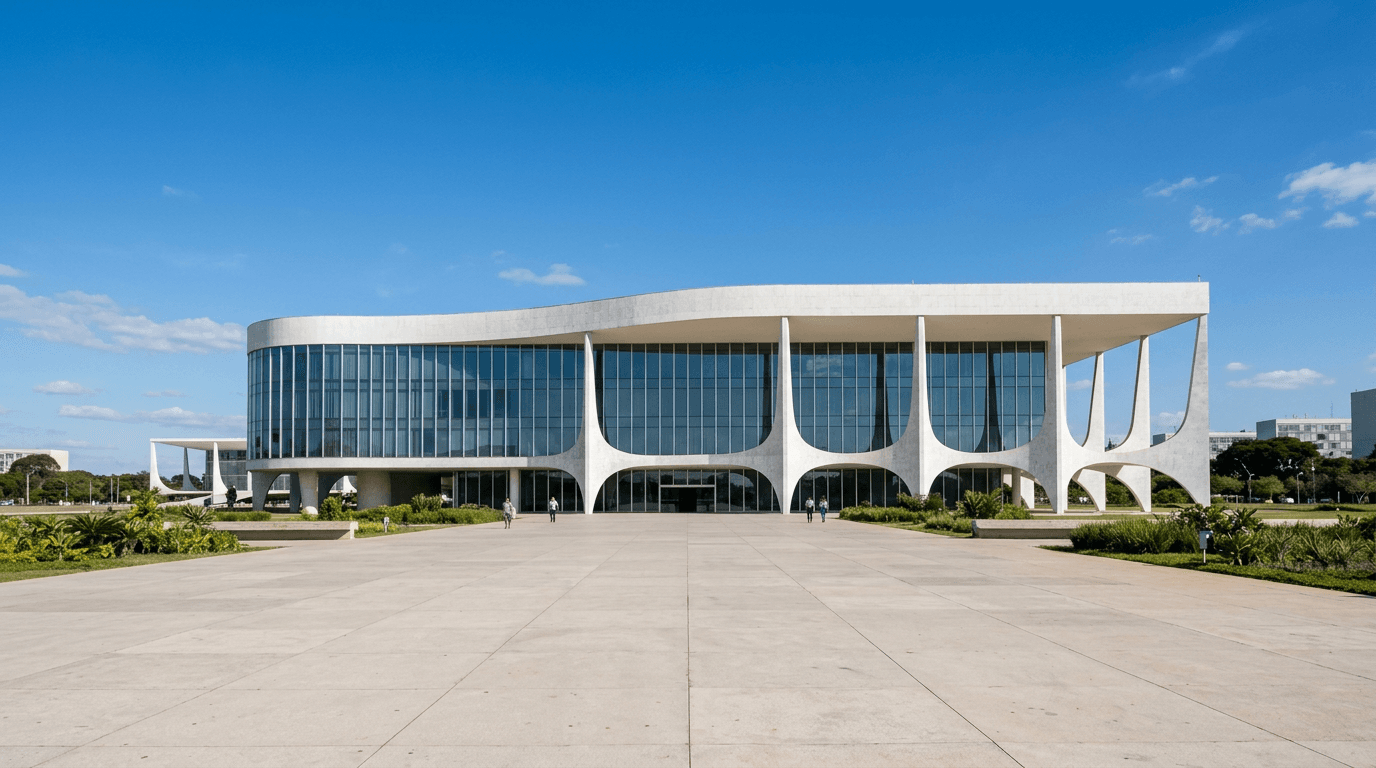
The number of legal cases registered by Brazil’s Superior Electoral Court (TSE) for gender-based political violence has increased more than eleven-fold in four years, surging from 15 in 2022 to 177 by September 2026. This dramatic rise in attacks against female candidates and politicians is seen by judicial authorities as a serious threat to Brazilian democracy and the integrity of the upcoming 2026 election.
The Superior Electoral Court, or TSE, is the highest body of the country’s specialized Electoral Justice system, which oversees the entire electoral process to ensure it is fair and transparent. The court stated the violence aims to expel women from political debate, an attempt to undermine the quality of a democracy where female representation is already critically low; women hold less than 20% of seats in the national Congress, placing Brazil among the lowest in Latin America.
The Federal Public Ministry (MPF), which acts as the guardian of the law and operates in electoral matters, has tracked a total of 436 complaints since 2018. The majority of cases involve moral violence, with 40% of the reported incidents involving psychological violence. This systematic aggression often takes place within political parties and even inside the premises of the Congress itself, making it a pervasive problem for those who manage to win a seat.
In response to the alarming trend, the TSE and the MPF launched a joint awareness campaign this week to publicize the issue and encourage reporting. The effort is part of a broader push by judicial institutions to safeguard female participation as Brazil gears up for the 2026 municipal elections. Separately, the Supreme Federal Court (STF) recently moved to expand legal protections against political violence, signaling an increased focus from the judiciary on the issue.
For a Brazil election where female voters make up the majority of the electorate, the ability of women to participate in politics free from violence is a defining concern. The ongoing judicial effort aims to ensure that female candidates and elected officials feel empowered and protected enough to not be inhibited from campaigning and holding office, a necessary step for bolstering Brazil's representative democracy.
Related coverage
Politics
Brazil Market Rallies as Flávio Bolsonaro Narrows Gap With Lula, Signaling Fiscal Hopes
Published
Politics
Brazil’s Election: TSE Orders Lula Campaign to Remove Video, Flávio Bolsonaro Cites Precedent to Bar UN Speech Use
Published
Politics · PRO
Brazil Supreme Court Moves to Impose Binding Fiscal Discipline on All Government Spending
Published