
Flávio Bolsonaro Targets Tax Reform 'Split Payment' to Woo Businesses
Presidential candidate Flávio Bolsonaro pledges to dismantle the real-time digital tax withholding system, claiming it asphyxiates small business cash flow.
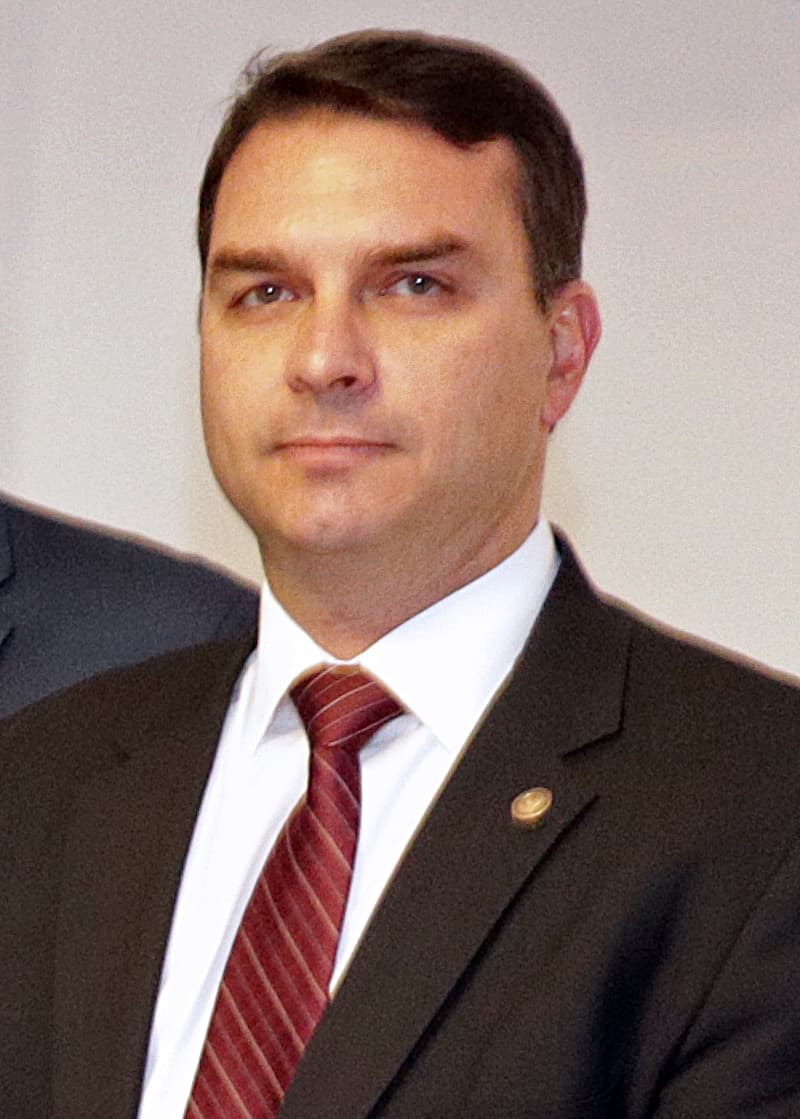
The battle lines for Brazil’s economic future are being drawn over the plumbing of its financial system. Senator Flávio Bolsonaro, a leading conservative presidential candidate and son of former President Jair Bolsonaro, has announced that his eventual administration would completely eliminate the "split payment" mechanism. The digital system is a cornerstone of Brazil's landmark tax reform designed to combat tax evasion by automatically withholding taxes during electronic transactions.
Under the current transition rules approved by the administration of President Luiz Inácio Lula da Silva, the split payment system is scheduled to begin optional implementation in 2027. Full integration and mandatory enforcement are slated for 2028. The mechanism automatically separates the newly created dual Value-Added Taxes (VAT)—the federal CBS and the local IBS—at the exact moment of a digital financial settlement, routing the tax portion directly to government accounts.
According to Daniella Marques, the chief economic coordinator for the Bolsonaro campaign, the real-time withholding system represents an aggressive overreach. Speaking in an interview on October 6, 2026, Marques argued that the mechanism "asphyxiates the working capital" of small businesses. Under the current system, businesses often hold onto sales revenues for weeks before their monthly tax bills are due, using those funds as short-term interest-free capital to pay suppliers and manage daily operations.
This policy clash highlights the deep political divisions surrounding Constitutional Amendment No. 132, which was passed in late 2023 to modernize Brazil’s notoriously complex tax regime. Proponents of the reform, including former tax secretary Bernard Appy, argue that the split payment system is vital to ending widespread tax fraud, such as the use of dummy companies to generate fake tax credits. However, Flávio Bolsonaro and his political allies, including Goiás Governor Ronaldo Caiado, have previously advocated for a temporary suspension of the tax reform's implementation to renegotiate its terms entirely.
The Bolsonaro campaign's strategy is to capture the frustration of the business community without promising a chaotic, ground-up rewrite of the constitution. Marques clarified that a Bolsonaro administration would seek to revise the tax reform through administrative and regulatory adjustments rather than restarting a full constitutional debate. By focusing on the split payment rule, the campaign is targeting a highly technical but financially painful transition point that directly affects corporate cash flows.
What it touches
A political reversal of the split payment mechanism would directly impact payment processors, financial institutions, and major retail software providers, which are currently investing heavily to integrate their systems with the government's tax database. It also touches the iShares MSCI Brazil ETF (EWZ), as foreign investors closely monitor how changes to the transition rules might affect corporate compliance costs, tax legal certainty, and the fiscal balance of the Brazilian government.