
Brazil Central Bank Governor Testifies in Major Bank Fraud Probe
Central Bank President Gabriel Galípolo testified to the Federal Police regarding a massive bribery and fraud investigation involving Banco Master.
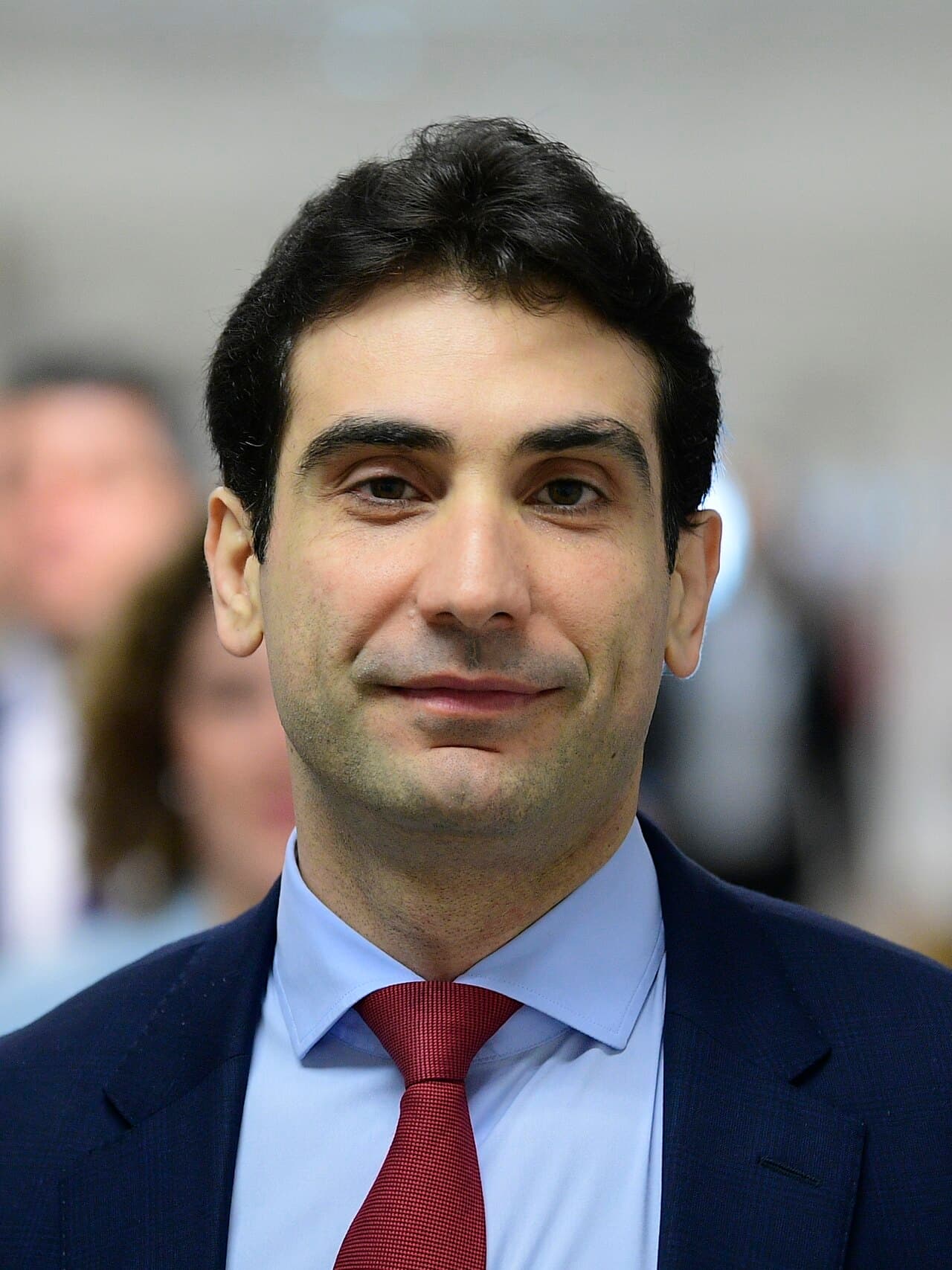
On October 6, 2026, Brazil's Central Bank President Gabriel Galípolo testified as a witness to the Federal Police in a major banking fraud investigation. The testimony marks a critical moment for the country’s financial regulatory framework, as the probe enters its final phase amid a highly polarized presidential runoff campaign. Galípolo, who heads the institution responsible for Brazil's monetary policy and financial system oversight, was questioned regarding whether he had prior knowledge of regulatory favors allegedly granted to private lenders by Central Bank staff.
The investigation, known as Operação Compliance Zero (Operation Zero Compliance), focuses on allegations that Daniel Vorcaro, the former controller of Banco Master, bribed Central Bank officials to secure regulatory advantages. According to investigators, former high-ranking regulatory officials allegedly received up to 12 million reais ($2.4 million) in exchange for providing "informal consulting" and fast-tracking approvals. The federal inquiry gained steam after the Central Bank ordered the extrajudicial liquidation of Banco Master in November 2025, exposing billions of reais in fraudulent credit portfolios.
Galípolo’s deposition, conducted via videoconference, was prompted by statements from the main suspects, who claimed the Central Bank's top leadership was supportive of Banco Master's operations, including a failed 12-billion-reais merger with the state-owned Banco de Brasília (BRB). While Galípolo is not a target of the investigation, the Federal Police are seeking to establish exactly when the regulator's leadership became aware of the internal misconduct. In late 2025, Galípolo had initiated an internal audit that ultimately uncovered suspicious transactions and led to the dismissal of compromised officials.
The political and institutional stakes of the probe are exceptionally high. Former Central Bank President Roberto Campos Neto, who led the institution until his term ended, is also scheduled to testify on October 7, 2026. The unfolding scandal has drawn intense scrutiny to the autonomy and internal controls of the Banco Central do Brasil, particularly as the country navigates a tense electoral cycle where institutional integrity, economic stability, and corruption are central campaign issues.
What it touches
The ongoing investigation and the liquidation of Banco Master directly impact domestic financial assets and public confidence in mid-sized Brazilian lenders. While the broader banking sector remains resilient, the scandal exposes institutional vulnerabilities that could influence sovereign risk premiums. In the equity market, the benchmark Ibovespa index remains sensitive to developments that threaten regulatory stability or suggest deeper systemic fraud within the financial system.