
Flávio Bolsonaro Pledges Return of Privatization Program in Sharp Policy Reversal
Presidential challenger Flávio Bolsonaro’s platform promises to reactivate Brazil’s state asset sales program, signaling a major economic shift.
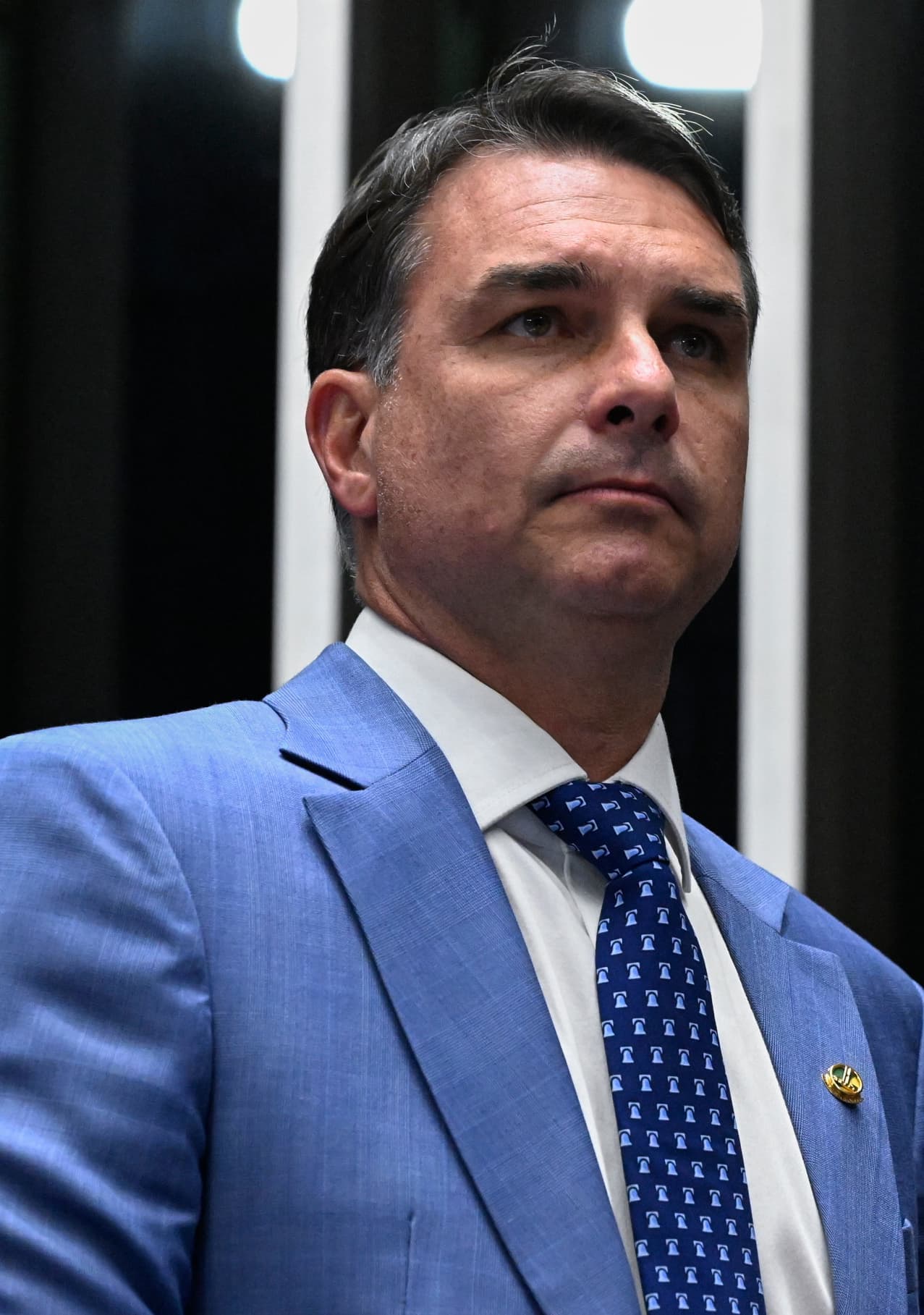
Senator Flávio Bolsonaro, the presidential candidate for the Liberal Party (PL), is promising a significant course correction in Brazil’s economic policy, pledging to reactivate the long-stalled National Destatization Program (PND) if elected. The proposed platform signals a sharp reversal from the incumbent administration, which has halted divestment at state-owned enterprises (SOEs), and indicates a new push to reduce the nation’s considerable public debt through the sale of federal assets. The move, which would see a case-by-case evaluation of companies where a state presence is deemed unnecessary, places privatization back at the center of the upcoming general election debate.
Bolsonaro, the eldest son of former president Jair Bolsonaro and a leading challenger to President Luiz Inácio Lula da Silva, has built his campaign on the promise of a smaller state apparatus and greater private sector participation. The policy, a core pillar of his campaign’s economic initiative, known as "SOS Brasil," aims to establish a fund that could reach an estimated R$3 trillion (roughly $577 billion) to reduce the federal public debt. The funding sources include the sale of government real estate assets and a shift in pre-salt oil field contracts, but the sale of SOEs, following the case-by-case review, would be a necessary component to hit such an ambitious target.
A resumption of asset sales would most immediately impact companies like Petrobras, Brazil’s state-controlled oil giant, and its many subsidiaries, where the current administration has largely suspended the divestment program initiated under the prior government. Under the Lula administration, several sales, including refineries and petrochemical assets, were halted or terminated, making a new Bolsonaro presidency a clear inflection point for the future of these companies. For foreign investors, the commitment to restart the PND suggests a renewed pipeline of opportunities in the infrastructure, energy, and logistics sectors, which have long relied on federal investment.
Crucially, the platform also mandates technical criteria for appointments in SOEs and regulatory agencies. This commitment is intended to prevent the political patronage that has historically plagued Brazil’s state companies and to strengthen the country’s corporate governance framework. This emphasis on governance is a key point of contrast with the current political debate, which has seen concerns raised over attempts to weaken the existing State-Owned Enterprises Law (Law 13.303 of 2016), which was enacted following major corruption scandals to establish stringent requirements for SOE management. Bolsonaro’s move is framed as a defense of technical management over political appointments.
The future of Brazil's privatization policy now hangs on the outcome of the presidential race. With the first round of voting scheduled for October 4, the choice facing Brazilians is stark: the continued state-centric model championed by the incumbent, or a return to the liberalizing, asset-sale strategy promised by Bolsonaro. The result will determine the direction of billions in assets and the management structure of the country’s largest companies.
What it touches
The stocks of Brazilian state-owned enterprises are directly exposed to the election outcome. Companies such as Petrobras (PBR on the NYSE, PETR3/PETR4 on the B3), Banco do Brasil (BBAS3), and Eletrobras (ELET3/ELET6) would likely see increased market volatility as a Flávio Bolsonaro victory would suggest a resumption of divestment and potential for full privatization. Conversely, a victory by the incumbent administration would reinforce the current strategy of retaining state control.
Related coverage
Politics
STF President Fachin Seeks to Avert Institutional Crisis as Justices Clash on Election Eve
Published
Politics · PRO
Final Quaest Poll Shows Lula Pulls Ahead in First Round of Brazil Election, Runoff Remains Tied
Published
Politics
Judicial Clash Over Election Censorship Exposes Rift in Brazil’s Supreme Courts
Published