
Flávio Bolsonaro Leads Lula into Historic Runoff as Right-Wing Wave Sweeps Brazil's Elections
Senator Flávio Bolsonaro secured a narrow lead over incumbent President Lula, setting up an October 25 runoff as conservative forces surge across Brazil.
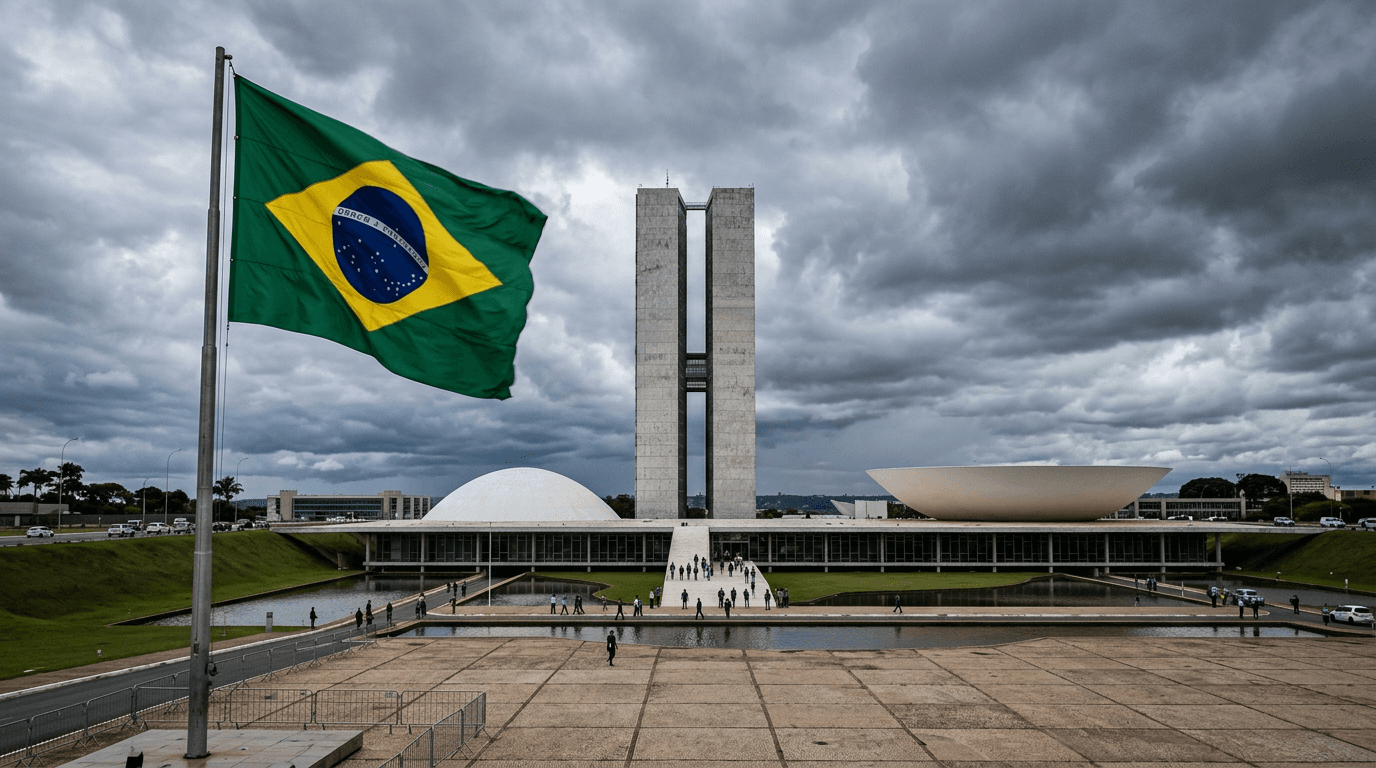
Brazilians woke up to a reshaped political landscape on Monday, October 5, 2026, after a stunning first-round presidential vote propelled right-wing Senator Flávio Bolsonaro ahead of the incumbent leftist President Luiz Inácio Lula da Silva. The unexpected outcome sets up a high-stakes runoff election scheduled for October 25, 2026, throwing Latin America’s largest democracy into a period of intense political polarization.
According to official data released by the Superior Electoral Court (TSE), with 100% of the ballots tallied, Flávio Bolsonaro of the Liberal Party (PL) secured 47.03% of the valid votes. Lula, representing the Workers’ Party (PT), finished with 45.16%. The razor-thin margin of just 1.87 percentage points is the narrowest gap between first and second place in a first-round presidential vote since Brazil’s return to civilian democracy in 1985.
The 45-year-old Flávio Bolsonaro, a senator representing Rio de Janeiro, is the eldest son of former President Jair Bolsonaro. The elder Bolsonaro is currently serving a house-arrest prison sentence following a conviction related to a 2023 coup attempt. Flávio has successfully mobilized his father’s deeply loyal conservative base, campaigning on promises of fiscal discipline, administrative downsizing, and a presidential pardon for his father. His strong showing defied final pre-election polling, which had consistently placed the 80-year-old Lula in the lead.
A Shift in the Balance of Power
The electoral surge was not limited to the presidential race. The Liberal Party and its conservative allies made substantial gains in legislative and gubernatorial races across the country. This right-wing wave suggests that even if Lula manages to secure a fourth presidential term in the runoff, he will face an intensely hostile, conservative-dominated Congress capable of blocking leftist economic policies and social reforms.
Lula’s campaign now faces the difficult task of re-energizing moderate and progressive voters who sat out the first round. The TSE reported an abstention rate of 21.1%, representing over 33 million voters—the highest absenteeism recorded in a first-round election since 1998. In his post-election address in São Paulo, Lula acknowledged the unexpected nature of the results but expressed confidence, framing the second round as a direct debate over the country's democratic future.
Meanwhile, Flávio Bolsonaro’s campaign will look to consolidate support from third-party voters and maintain momentum. Both candidates must navigate lingering controversies; while Lula’s administration has struggled with a sluggish economy and rising public debt, Flávio remains under federal investigation for money laundering linked to a high-profile banking scandal.
What it touches
The stronger-than-expected performance by Flávio Bolsonaro and the broader conservative shift triggered a massive relief rally in Brazilian financial markets, as investors bet on a more market-friendly legislative environment. The US-listed iShares MSCI Brazil ETF (EWZ), a primary vehicle for foreign investors targeting Brazilian equities, surged over 10% in overnight and pre-market trading. Major American Depositary Receipts (ADRs) of state-controlled oil giant Petrobras (PBR) and financial heavyweights like Itaú Unibanco (ITUB) also posted double-digit gains, reflecting expectations of reduced fiscal risk and a potential halt to state intervention.