Global Protein Margins Shift as Brazil Cattle Slaughter Drops 13.4%
A 13.4% plunge in Brazil's third-quarter beef slaughter squeezes meatpacker margins, while rising poultry and pork volumes offer low-cost relief.
Key takeaways
- Brazil bovine slaughter fell 13.4% year-over-year to 9.82 million head, per IBGE on November 19, 2026.
- Live cattle prices reached record real highs of R$395.40 per arroba, per Cepea on November 18, 2026.
- Poultry and pork slaughters rose 5.8% and 5.2% respectively in the third quarter of 2026, per IBGE on November 19, 2026.
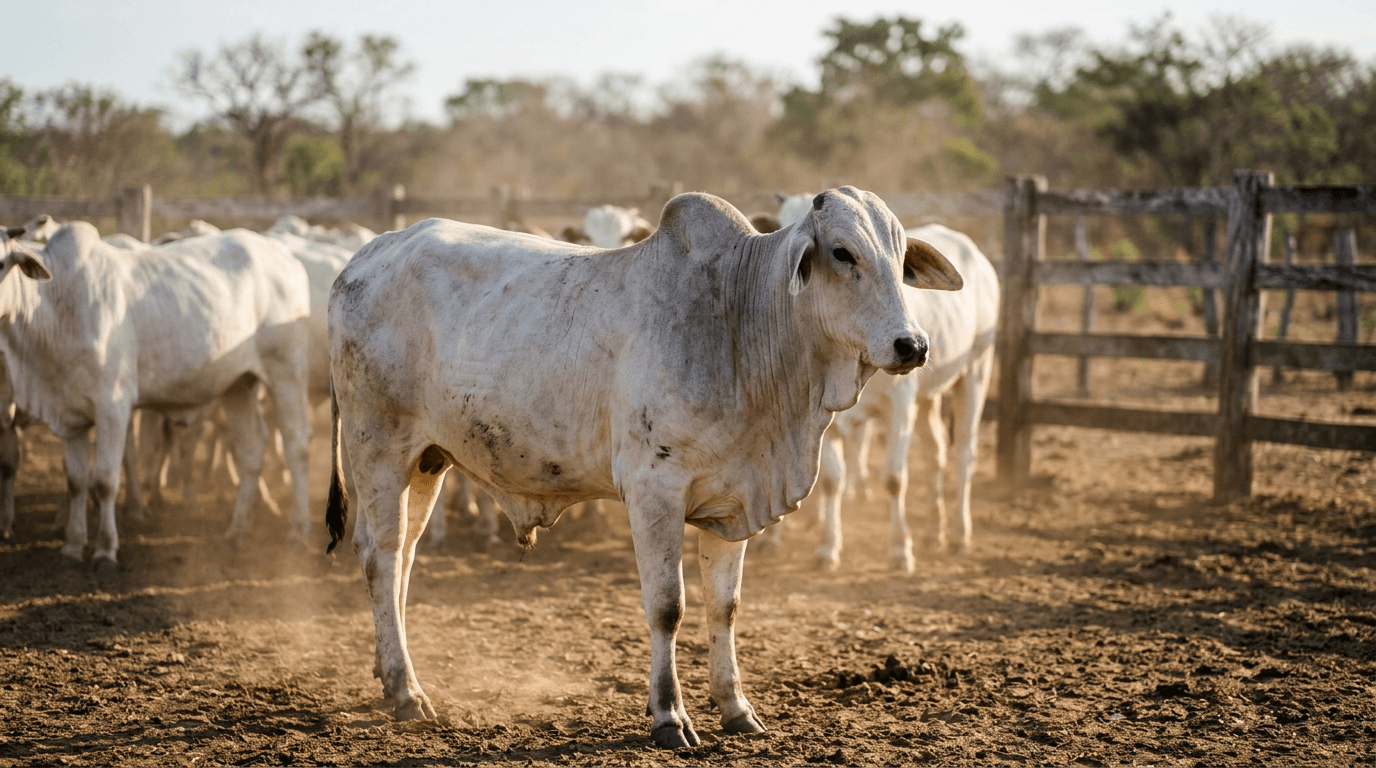
Retail investors holding shares of global food processors are facing a stark reallocation of protein margins as a sudden supply contraction in Brazil squeezes local beef processors. Brazil's bovine slaughter fell 13.4% year-over-year in the third quarter of 2026 to 9.82 million head, indicating a severe tightening of the regional finished cattle supply, according to preliminary data released on November 19, 2026, by the country's official statistics agency, IBGE. While this drop has sent domestic live cattle prices soaring to inflation-adjusted records, a concurrent expansion in poultry and pork volumes is providing a crucial cushion for diversified multi-protein giants.
According to details published by Canal Rural, the contraction in cattle availability represents a major shift in the South American beef cycle, with total carcass production falling 12.0% year-over-year to 2.62 million metric tons. This scarcity of slaughter-ready animals pushed Brazil's benchmark live cattle price (the arroba do boi gordo) to an inflation-adjusted record high of R$395.40 per arroba on November 18, 2026, as reported by the Center for Advanced Studies on Applied Economics (Cepea). The rapid escalation of raw material costs is already compressing margins; for example, JBS reported on November 9, 2026, that its JBS Brasil division's adjusted EBITDA margin fell from 7.4% to 3.4% in the third quarter of 2026 compared to the same period in 2025.
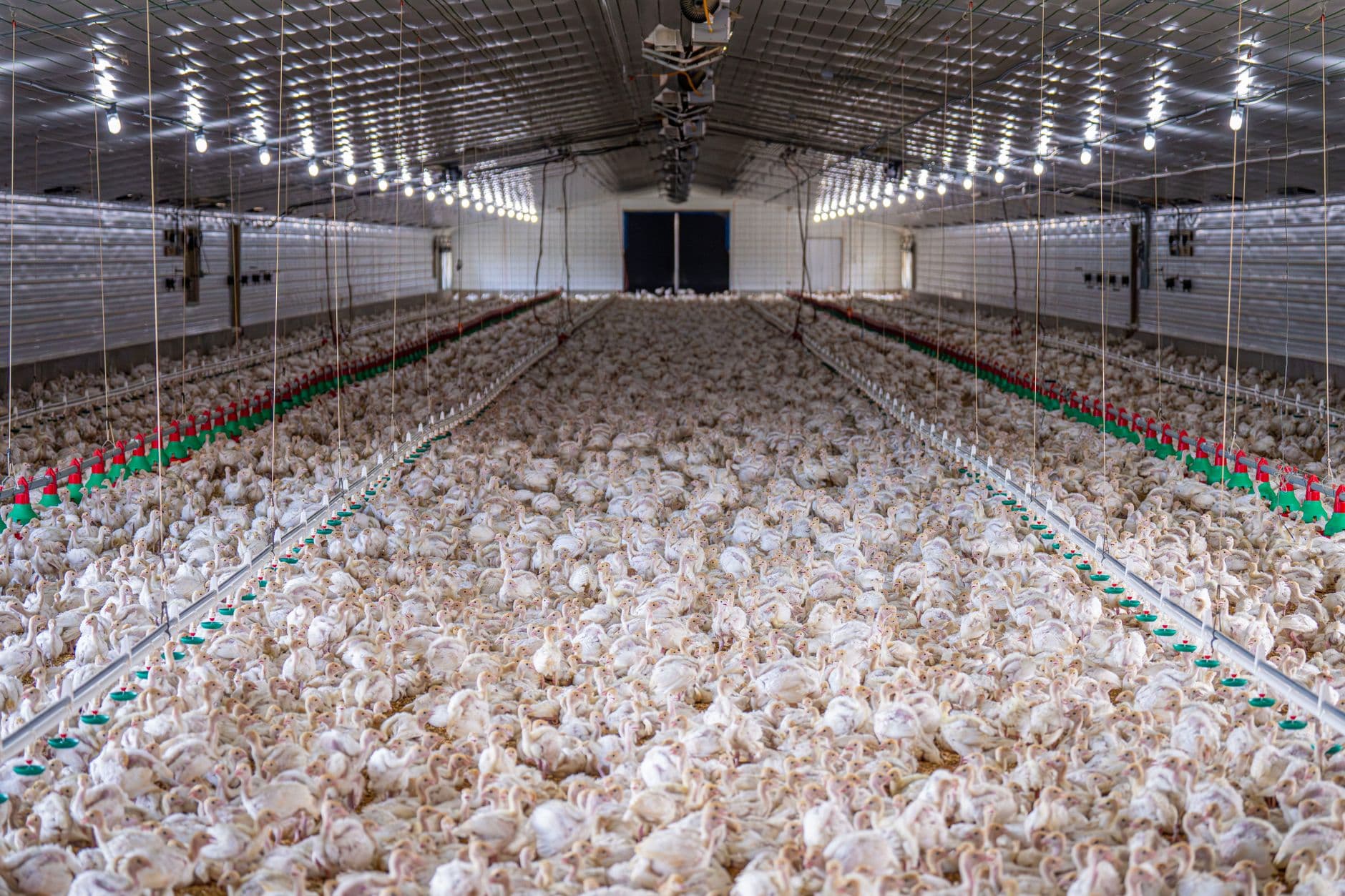
In contrast, global food processors with diversified product lines are finding relief in Brazil’s booming alternative protein sectors. As highlighted by Notícias Agrícolas, preliminary Q3 2026 figures show that poultry slaughter rose 5.8% year-over-year to 1.79 billion head, while pork slaughter grew 5.2% to 16.65 million head. For large operations like JBS and BRF, these expanding volumes offer lower-cost protein alternatives for domestic consumers who are increasingly priced out of the beef market, helping to maintain processing plant utilization and alleviate localized margin compression.
For international investors, Brazil's livestock dynamics are highly consequential because the nation is the world's leading exporter of beef and chicken. When local ranchers hold back cows to rebuild herds—the typical "retention phase" of the cattle cycle—global meatpackers must navigate a tighter supply of live animals. Diversified giants with extensive worldwide footprints can adjust by pivoting export logistics toward poultry or by leveraging their U.S. beef segments, where margins are showing early signs of stabilization even as South American operations absorb higher livestock costs.
Looking ahead, market participants will monitor whether Brazil’s traditional year-end demand and seasonal bonuses bolster domestic meat sales enough to absorb these elevated retail beef prices. Analysts are also watching whether the historic high in cattle prices will trigger early feedlot liquidations or if margins for beef-heavy exporters like Minerva Foods will remain pressured into the first half of 2027.
In your brokerage app
These shifting protein dynamics directly affect U.S.-traded shares of major global food processors. JBS SA, which trades over-the-counter in the U.S. as an American Depositary Receipt, offers exposure to both the squeezed beef margins and the offset of growing poultry and pork operations. Diversified giant BRF SA, listed on the New York Stock Exchange, stands to benefit from the rise in Brazilian pork and poultry production, while the iShares MSCI Brazil ETF offers broader exposure to the country’s consumer and agricultural exporters navigating these shifting commodity cycles.
Analysis · NWX analysis desk
Which Brazil assets this touches
- JBS, BRFS, EWZ, JBSS3, BRFS3, CATTLE — Named in this story.
Technical picture · JBSS3 (JBSS3)
JBSS3 (JBSS3) closed at R$70.32 on Nov 19, 2026, up 6.2% from five sessions earlier. The last close is above its 20-day average of R$67.74 and above its 50-day average of R$64.45. Since May 25, 2026 it has traded between R$55.44 (low, Oct 1, 2026) and R$73.85 (high, Aug 19, 2026).
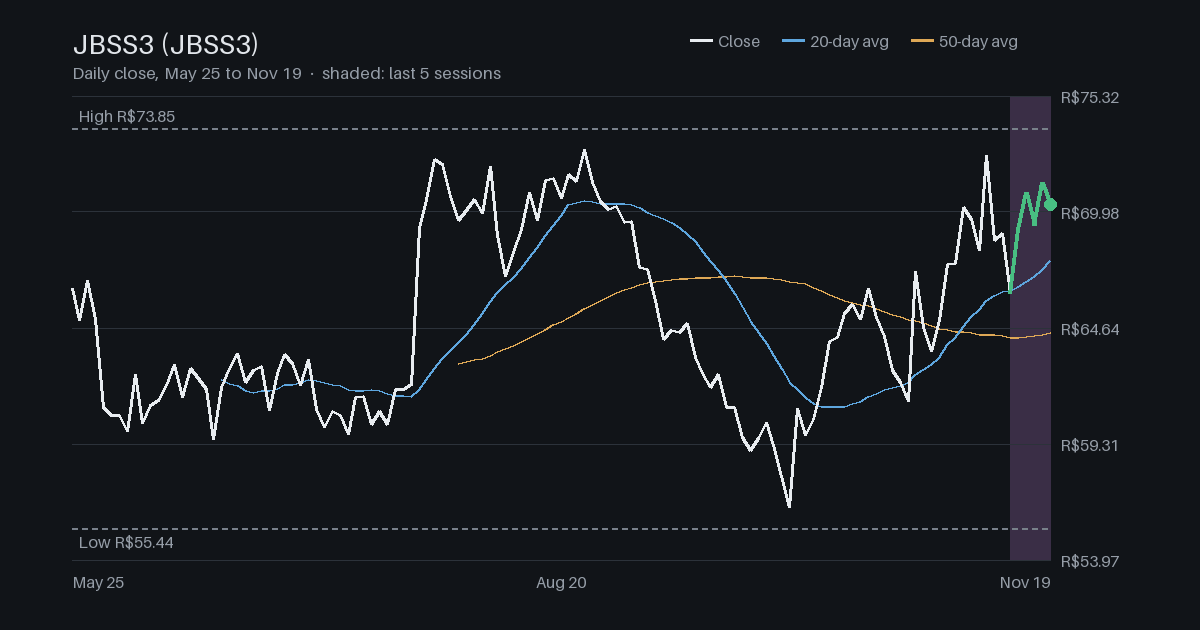
| Last close | R$70.32 | Closing price on Nov 19, 2026. |
|---|---|---|
| 5-session move | +6.2% | Change in the closing price over the last five trading days. |
| 20-day average | R$67.74 | The average closing price of the last 20 trading days. |
| 50-day average | R$64.45 | The average closing price of the last 50 trading days. |
| Period high | R$73.85 | Highest price since May 25, 2026. |
| Period low | R$55.44 | Lowest price since May 25, 2026. |