
Diverse Candidates Surge in Brazil’s 2026 Elections, Signaling Shift on Land and Social Policy
A record number of Indigenous, Quilombola, and LGBTQIA+ candidates are running in Brazil's 2026 elections, marking a structural change in the political landscape.
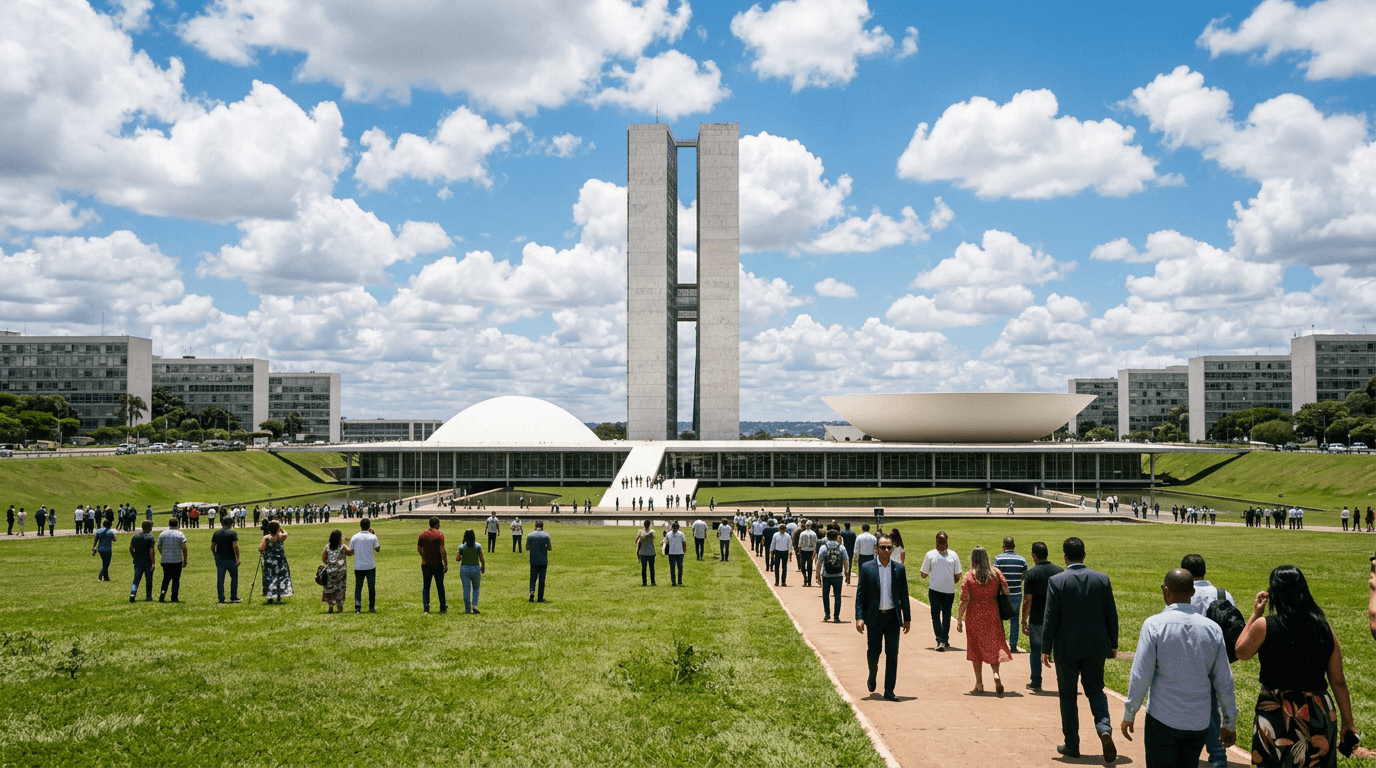
Brazil's 2026 general election is set to feature a record surge of candidates from historically marginalized groups, reflecting a growing movement to challenge the nation’s entrenched political establishment on issues ranging from land rights to social conservatism. Data from the Superior Electoral Court (TSE) and independent institutes confirm that Indigenous, Quilombola (traditional Afro-Brazilian community), and LGBTQIA+ candidacies have reached unprecedented levels.
A total of 191 candidates have declared themselves Indigenous, the highest number since the self-declaration of race and color became mandatory for candidates in 2014. This push for representation is particularly focused on legislative seats, where Indigenous leaders aim to bring issues like environmental protection, land demarcation, and the fight against illegal mining directly into Congress. This shift comes as land conflicts and violence against Indigenous groups have intensified in recent years, making direct political participation a critical defense strategy.
The increase in Afro-Brazilian candidates from traditional communities is also notable, with 214 Quilombola candidates—a 75% increase over the 2024 municipal elections. Quilombola are the descendants of escaped enslaved people who formed independent settlements, or quilombos, and they continue to fight for the constitutional right to their collective, traditional lands against pressure from agribusiness and real estate development. The influx of their candidacies is an effort to convert this decades-long struggle for land rights into direct legislative power.
Similarly, candidacies from the LGBTQIA+ community have grown by 57% compared to the 2022 elections, with 514 candidates registered this cycle. This momentum builds on the 2022 election, which saw the first openly transgender women elected to Brazil’s Congress. The growing visibility is a political response to the high rates of violence and discrimination faced by the community, offering a new front to push for civil rights and counter the influence of social conservative blocs in Congress.
The record numbers signal a structural change in Brazilian democracy that will eventually put pressure on policy debates, even if the majority of candidates remain white men. The challenge for these diverse candidates is not just securing a spot on the ballot, but converting these candidacies into actual seats. While legislative quotas exist for women, there are no equivalent mandates for race or sexual orientation, meaning candidates from marginalized groups often face significant obstacles in securing campaign funding and party support compared to their white, male, and traditionally powerful counterparts. The 2026 election will serve as a crucial barometer for whether this increase in political ambition can translate into genuine shifts in legislative power.
Related coverage
Politics · PRO
Brazil Supreme Court Moves to Impose Binding Fiscal Discipline on All Government Spending
Published
Politics · PRO
Brazil’s PPSA Schedules First Auction to Break Petrobras Gas Monopoly, Targeting 50% Price Cut for Industry
Published
Politics · PRO
Brazil’s Election Defined by Stark Fiscal Divide Over High Debt and 13.75% Interest Rate
Published