
Brazil’s Top Prosecutor Seeks to Keep Strict Political Silence on Jailed Bolsonaro
Brazil's Prosecutor General's Office asked the Supreme Court to reject Jair Bolsonaro's appeal and maintain a ban on his political communication.
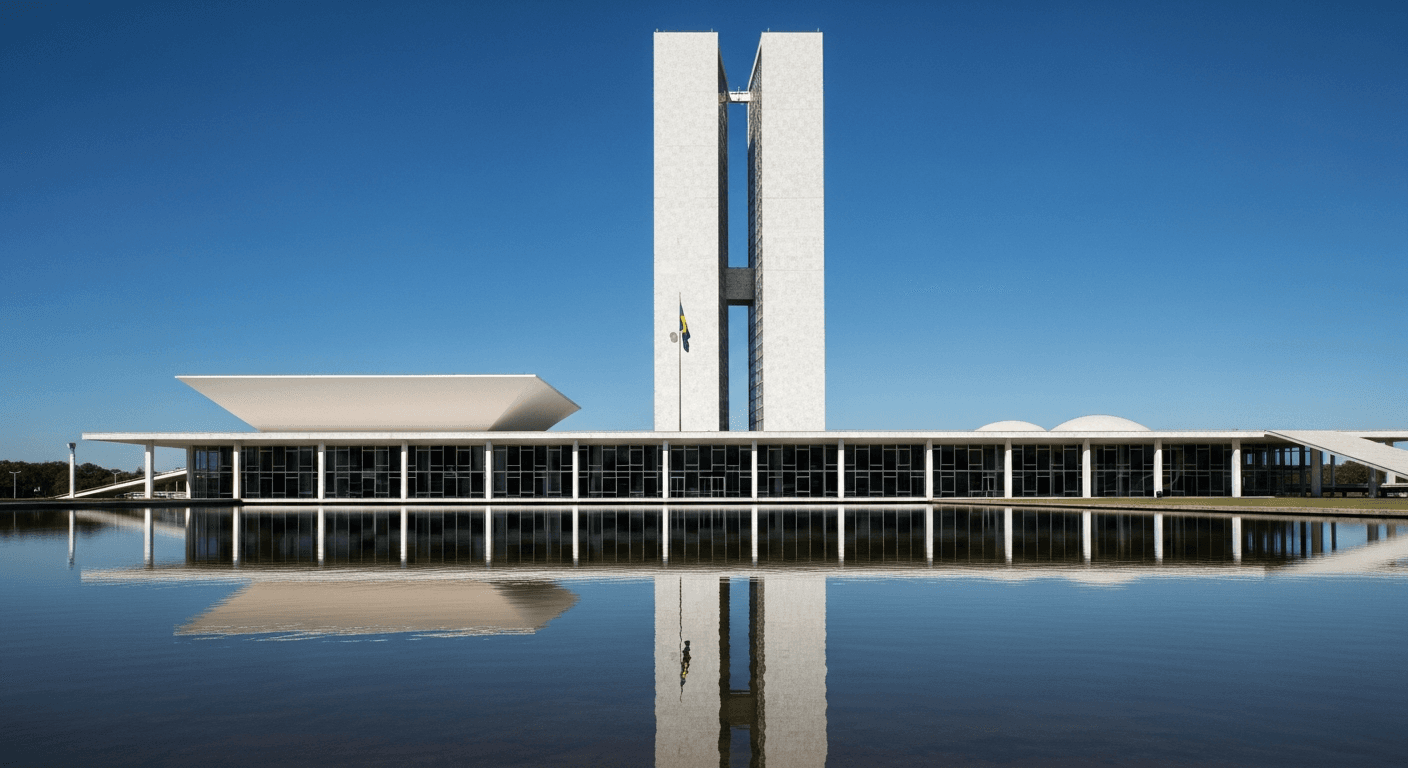
The Prosecutor General's Office (PGR) has formally requested that Brazil’s Supreme Federal Court (STF) reject appeals by former President Jair Bolsonaro's defense and uphold the strict political restrictions placed on his house arrest. The request argues that the former president should remain barred from all political communication and visits from his politically-active son, Senator Flávio Bolsonaro, to prevent him from using his legal status to interfere in the country’s political landscape. The development underscores the continued tension between the former far-right leader and the country's highest court, which has been central to Brazilian politics since the 2022 election.
Bolsonaro is serving a 27-year sentence for a coup attempt, but was granted temporary humanitarian house arrest due to severe health issues, a decision authorized by STF Justice Alexandre de Moraes. The terms of that house arrest, however, included a sweeping prohibition on any political or electoral communication, even through third parties, with the ban intended to last through the 2026 elections. The PGR’s position is a formal statement of the federal prosecution service's view, which often influences the final judgment of the Supreme Court. The Office of the Prosecutor General (PGR) is Brazil's highest prosecutorial body, responsible for defending the democratic legal order and the rule of law.
The current dispute centers on a restriction Justice de Moraes placed on visits from Bolsonaro's son, Senator Flávio Bolsonaro. The visit ban was a direct consequence of a breach of the no-communication rule, where Senator Bolsonaro allegedly published a "letter to the Brazilian people" from his father. This incident highlighted the court's concern that the former president’s allies would be used as a conduit to circumvent the order for his political silence, allowing him to continue exerting influence from under judicial custody. The restrictions are necessary, the PGR argued, to prevent Bolsonaro from using his house as a political platform while legally incarcerated.
The case remains a central source of political instability, as Bolsonaro's judicial proceedings are seen by his opponents as necessary to protect Brazilian democracy and by his supporters as political persecution. The decision now rests with the Supreme Federal Court, which must rule on the PGR's request. A final decision will determine the political capacity of one of the country's most polarizing figures in the run-up to the 2026 presidential election, solidifying the line the judiciary has drawn between political expression and the restrictions imposed on a convicted felon.
Related coverage
Politics · PRO
Brazil Supreme Court Moves to Impose Binding Fiscal Discipline on All Government Spending
Published
Politics · PRO
Brazil’s PPSA Schedules First Auction to Break Petrobras Gas Monopoly, Targeting 50% Price Cut for Industry
Published
Politics · PRO
Brazil’s Election Defined by Stark Fiscal Divide Over High Debt and 13.75% Interest Rate
Published