
Brazil’s Election: TSE Orders Lula Campaign to Remove Video, Flávio Bolsonaro Cites Precedent to Bar UN Speech Use
Brazil’s Superior Electoral Court ordered President Lula da Silva's campaign to remove a video filmed at the Alvorada Palace, escalating the judicialization of the presidential race.
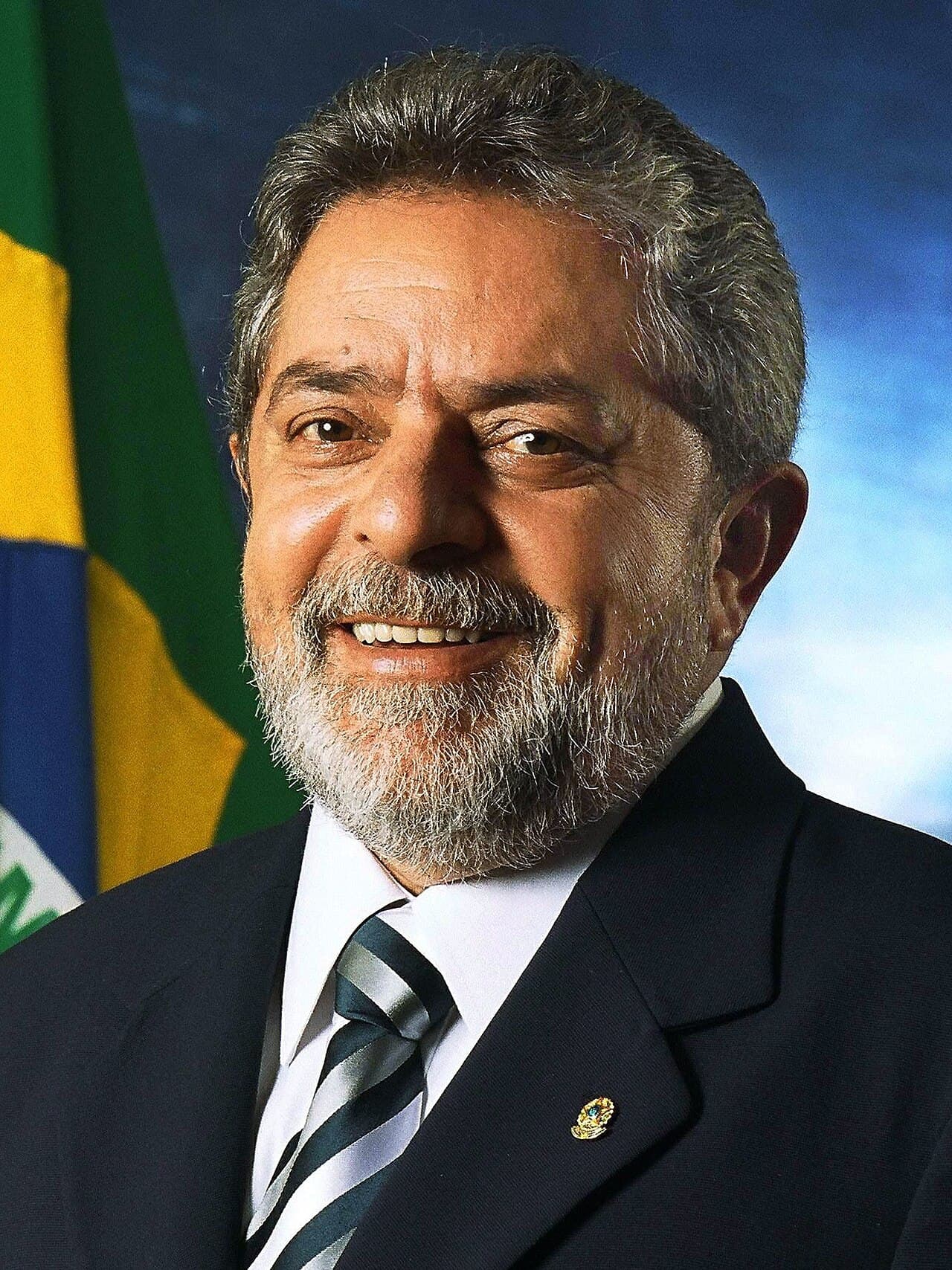
Brazil’s highly-contested presidential election has seen a fresh wave of judicial intervention as the Superior Electoral Court (TSE) moves to define the strict boundaries of campaigning. TSE President Kassio Nunes Marques ordered President Luiz Inácio Lula da Silva’s re-election campaign to remove a video filmed in the Palácio da Alvorada, the official presidential residence, ruling the use of state symbols in the background was an illegal electoral benefit.
The order was a win for the opposing campaign of Senator Flávio Bolsonaro (PL), who brought the suit against the incumbent President, arguing the video constituted conduta vedada, or a prohibited conduct, by employing public resources for partisan benefit. The TSE ruling specifically cited the presence of the national flag and the presidential standard in the background, which, despite rules allowing content to be filmed in the official residence, violates the court’s requirement for a "neutral" environment free of elements associated with the presidential office.
In a second, simultaneous action, Flávio Bolsonaro’s campaign filed a separate request with the TSE seeking to bar the Lula campaign from using the President’s recent address to the United Nations General Assembly (UNGA) in campaign material. Bolsonaro’s legal team argues that the official speech, delivered in New York, was used as a “political soapbox” to criticize "anti-democratic forces," citing a precedent from the 2022 election when the court moved to prohibit the electoral use of former President Jair Bolsonaro's own UNGA speech.
This electoral scrutiny comes as the Supreme Federal Court (STF) applied a high bar for judicial intervention in a related political matter. STF Minister Cristiano Zanin denied an urgent preliminary injunction (liminar) that sought to force the Senate to install a Parliamentary Inquiry Commission (CPI) to investigate the controversial 'Banco Master case'. The inquiry was proposed to investigate allegations linking prominent figures to financial dealings in the case, which Lula had commented on in the banned Alvorada video.
Minister Zanin, ruling on a petition brought by Senator Alessandro Vieira (MDB-SE), stated that there was insufficient "unequivocal proof" of an unconstitutional omission on the part of the Senate President, Davi Alcolumbre, in not moving the CPI forward. The decision highlights the Supreme Court's reluctance to intervene directly in the internal legislative process to mandate an investigation, even as the TSE—Brazil's specialized electoral judicial branch—is actively and frequently intervening in the specifics of candidate communication and campaigning.
The TSE is expected to rule on the use of the UNGA speech in the coming days, a decision that will further define the boundaries between a sitting president’s official duties and his re-election campaign. Both legal actions underscore the phenomenon of judicialization in Brazilian politics, where both political rivals continuously use the country’s powerful and influential judicial system to set the rules and hamper the opposition's campaign strategy.
Related coverage
Politics
Brazil Market Rallies as Flávio Bolsonaro Narrows Gap With Lula, Signaling Fiscal Hopes
Published
Politics
Gender-Based Political Violence Cases Skyrocket Eleven-Fold in Brazil as 2026 Election Approaches
Published
Politics · PRO
Brazil Supreme Court Moves to Impose Binding Fiscal Discipline on All Government Spending
Published