
Brazil’s Election Sees Record Indigenous Candidates Amid Alarming Rise in Political Violence
Upcoming 2026 general elections in Brazil feature a record number of Indigenous candidates, set against a backdrop of severely increasing political violence targeting marginalized groups.
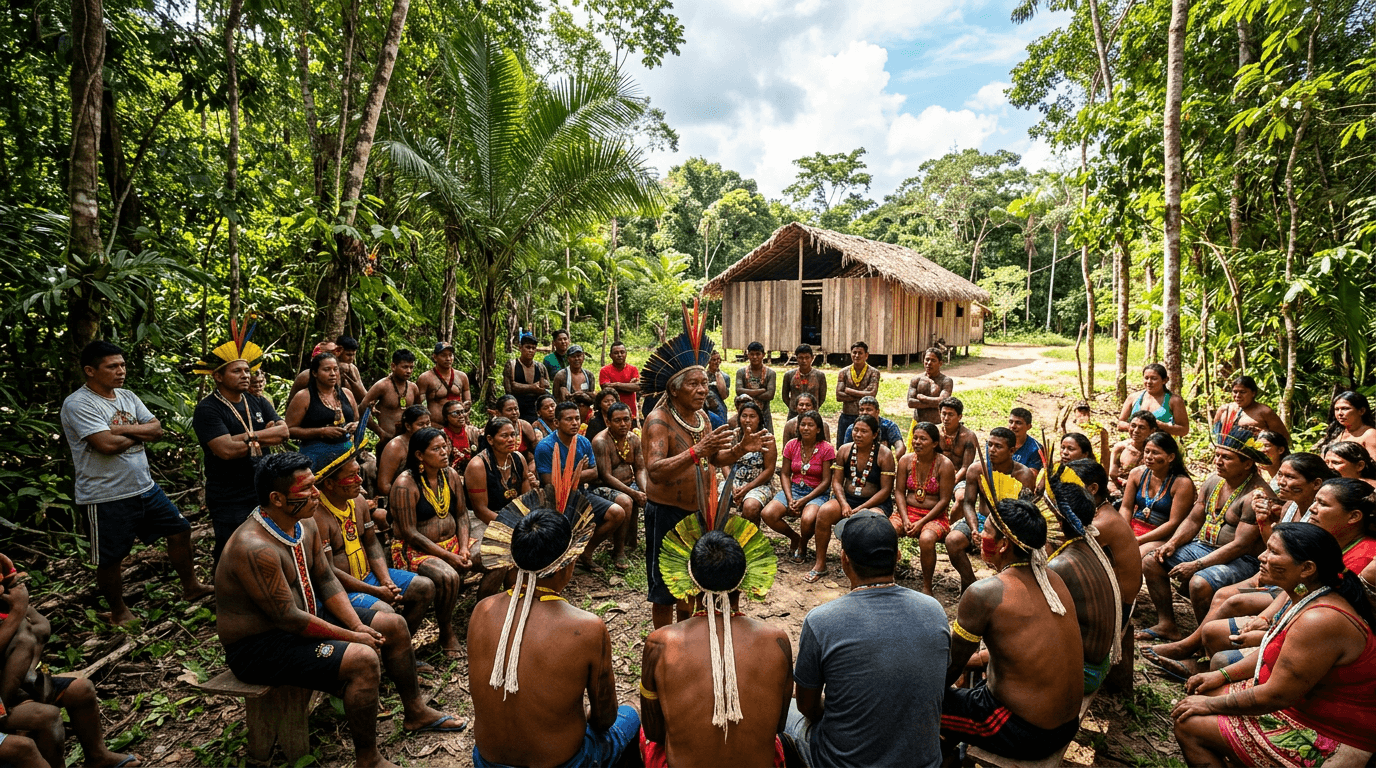
Brazil’s upcoming 2026 general elections are showcasing a stark dual reality: a record number of diverse candidates are running for office while marginalized groups simultaneously face a surging wave of politically motivated threats and attacks. The country’s electoral authorities have registered 191 Indigenous candidates for seats in the national Congress and state assemblies, the highest number since ethnicity data began being tracked in 2014, reflecting a growing push for greater political inclusion. This surge in diversity, however, is unfolding against a political landscape where violence against minority candidates has increased drastically.
Political violence in Brazil has escalated significantly, rising by 400% between the 2018 and 2022 general elections, according to a survey conducted by two non-governmental organizations. The violence is acutely felt by women, Black, and LGBTQI+ candidates and elected officials, functioning as a systemic mechanism to deter participation and representation. In the 2020 municipal elections, approximately half of all transgender candidates reported being victims of direct threats, including death threats, with 12% enduring physical violence. This pattern of intimidation suggests an ongoing effort to keep Black, Indigenous, and gender-minority voices out of decision-making spheres.
The record number of Indigenous candidates, organized by groups like the Articulation of Indigenous Peoples of Brazil (APIB), highlights that these politicians are campaigning on existential issues, primarily focusing on environmental protection and the official recognition of Indigenous lands. Their fight for representation is seen as a crucial defense against powerful agribusiness and infrastructure interests that hold significant sway in Brazil's increasingly conservative political climate. Yet, despite this historic level of participation, the 191 Indigenous candidates still represent only a tiny fraction of the almost 21,000 individuals registered to run in the elections.
Analysts and human rights experts have warned that the high level of threats and intimidation creates an atmosphere of terror that deters potential candidates from running and undermines the integrity of Brazilian democracy. The push for a more representative legislature is thus a high-risk endeavor, forcing candidates from minority groups to campaign under severe security concerns. The severity of the threats can be so high that one Black transgender councilor, Benny Briolli, was forced to leave the country in 2021 for safety.
The results of the 2026 general elections, scheduled for next month, will serve as a critical test of whether the momentum for greater democratic inclusion can overcome the targeted violence seeking to block the political ascent of Brazil’s most marginalized populations. The international community is watching to see if Brazilian authorities can effectively ensure the safety of these high-risk candidates, especially those whose platforms directly challenge entrenched economic and political power structures.
Related coverage
Politics
Lula and Bolsonaro Offer Dueling Plans to Avert Brazil’s Fiscal Crisis
Published
Politics · PRO
Shared Private Jet Links Bolsonaro, Supreme Court Justice to Investigate Banker Daniel Vorcaro
Published
Politics
Brazil’s Labour Court Rules Correios Strike Not Abusive, Mandates Return to Work With Pay Compensation
Published