
Brazil’s Centrão Declares Neutrality in 2026 Race, Isolating Bolsonaro and Forcing Lula Bargaining
Brazil's powerful Centrão bloc declared strategic neutrality for the 2026 presidential election, a move that cuts off the far-right and maximizes leverage over the next president.
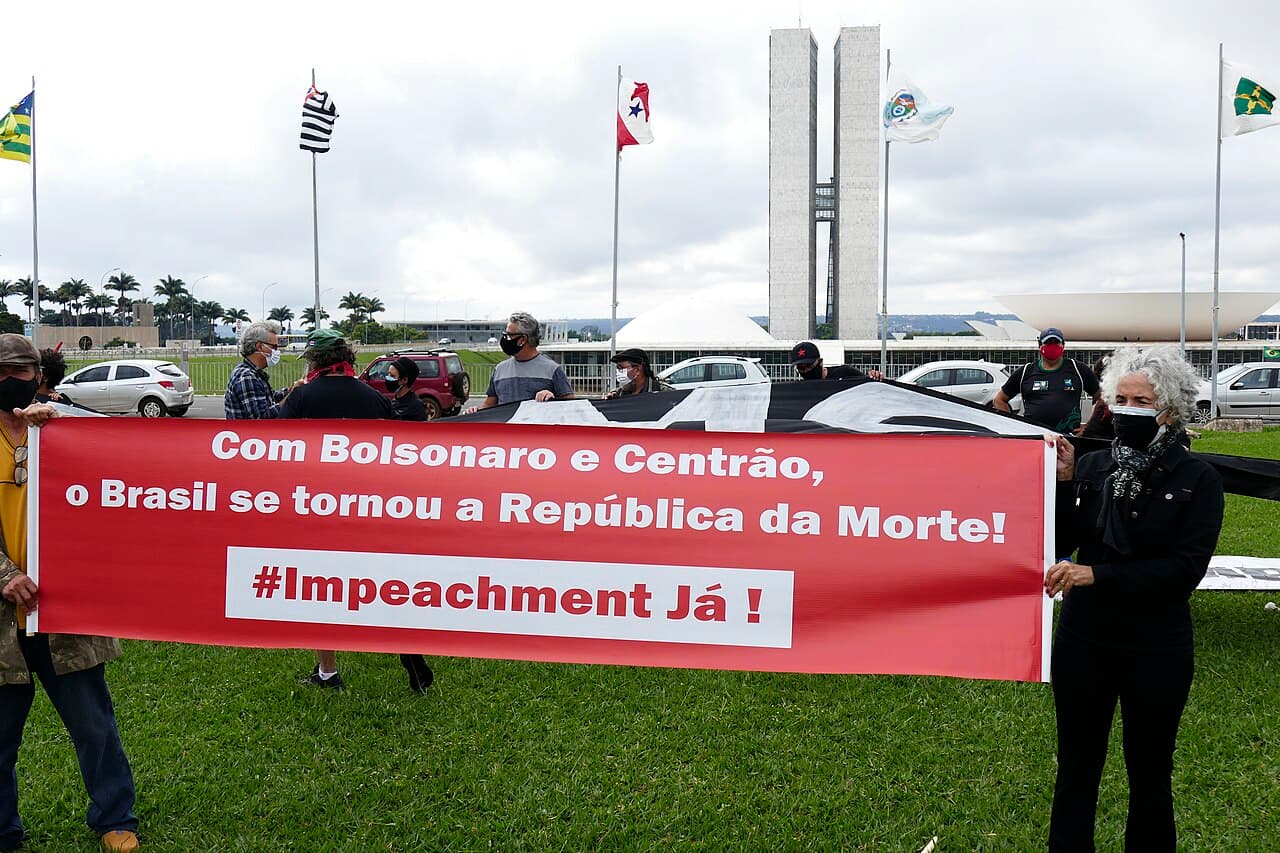
Brazil’s powerful congressional bloc, known as the Centrão (Big Center), has adopted a stance of “strategic neutrality” for the first round of the 2026 presidential election, a calculated move that confirms the next administration will be forced into high-cost political bargaining to secure legislative support. The decision by major parties within the bloc, including União Brasil and Progressistas (PP), to withhold a national endorsement denies a critical formal alliance to opposition candidate Senator Flávio Bolsonaro, while ensuring that President Luiz Inácio Lula da Silva, if he wins a fourth term, will face immediate pressure to cede key ministry positions and budget control.
The Centrão is not a single party, but a fluid coalition of pragmatic, centre-right parties whose defining characteristic is their readiness to support the sitting executive in exchange for political patronage and control over federal resources. This strategy is central to Brazil’s system of "coalition presidentialism," where a fragmented Congress forces the President to build a governing majority through constant negotiation and the distribution of federal spoils. The bloc's decision to stay neutral in the first round—a departure from past elections where they generally aligned early—is designed to maximize their leverage by holding out until the winner is known, allowing them to extract a higher price from the victorious party.
For Flávio Bolsonaro, the son of politically ineligible former President Jair Bolsonaro and the standard-bearer for the far-right Liberal Party (PL), the neutrality of the Centrão is a significant blow. His campaign, already struggling to build broad alliances, relied on securing a national alliance with the bloc to gain valuable airtime and access to the parties’ extensive state-level networks. While some state directories of the Centrão parties have made local alliances with the PL, the refusal of a national endorsement leaves the younger Bolsonaro more isolated at the federal level, forcing him to compete primarily on the strength of his father’s enduring, but regionally inconsistent, base.
The political maneuvering underscores that governance in Brazil will remain defined by these congressional powerbrokers, regardless of who takes office in January 2027. The largest new congressional federation, the União Progressista (Progressive Union), formed by União Brasil and Progressistas, commands the largest bloc in the Chamber of Deputies with over 100 members. By remaining neutral, this super-bloc holds the deciding hand: either to support a winning Lula administration in exchange for a significant share of the executive branch, or to consolidate a powerful, well-funded opposition against him. The final outcome of the presidential race will simply determine which table the Centrão sits at, not whether they get a seat.
Related coverage
Politics · PRO
Brazil Supreme Court Moves to Impose Binding Fiscal Discipline on All Government Spending
Published
Politics · PRO
Brazil’s PPSA Schedules First Auction to Break Petrobras Gas Monopoly, Targeting 50% Price Cut for Industry
Published
Politics · PRO
Brazil’s Election Defined by Stark Fiscal Divide Over High Debt and 13.75% Interest Rate
Published