
Brazil Supreme Court Set to Decide Fate of Corrupt Politicians Ahead of Election
The STF will resume its vote on the Clean Slate Law, a ruling that will determine the eligibility of figures like Eduardo Cunha.
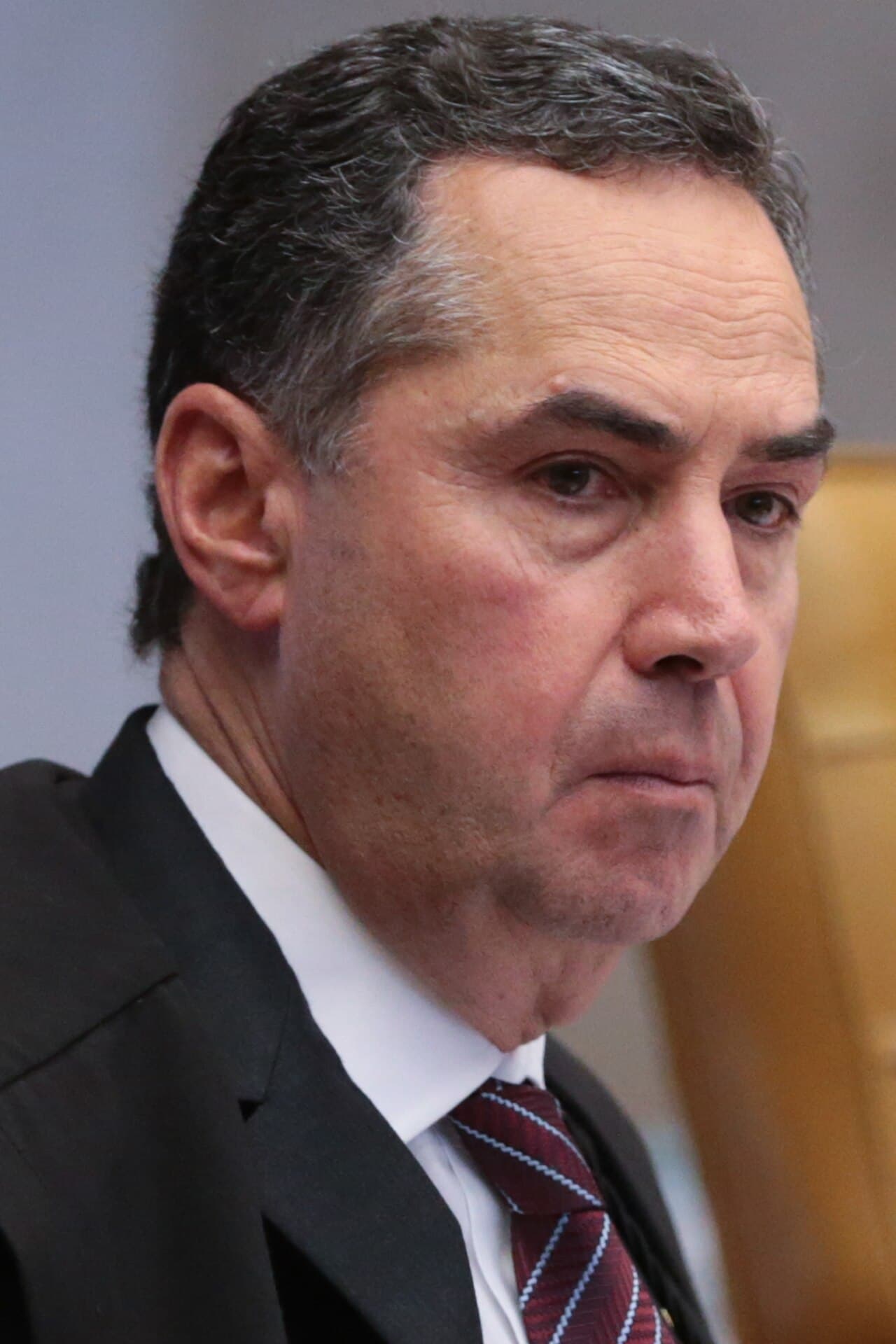
Brazil’s Supreme Federal Court (STF) will resume a critical, narrow judgment between September 11 and 18 that will determine the eligibility of several high-profile politicians convicted of corruption in the run-up to the 2026 election. The case centers on the constitutionality of recent Congressional amendments to the “Clean Slate Law,” or Lei da Ficha Limpa, a landmark 2010 anti-corruption measure designed to bar convicted individuals from running for public office. The result will either confirm or end the candidacies of former Chamber President Eduardo Cunha, ex-Federal District Governor José Roberto Arruda, and potentially hundreds of other politicians with corruption or abuse of power convictions across Brazil.
The core of the legal challenge, filed by the Rede Sustentabilidade party, is a 2025 Congressional change that significantly altered the calculation of the eight-year ineligibility period. The original Clean Slate Law calculated the ban from the moment a politician finished serving their sentence. The 2025 amendment, Complementary Law 219/2025, sought to move the starting point of the ban much earlier, beginning the count either from the date of the conviction or the loss of office. This technical change has the practical effect of reducing the total time a politician is barred from seeking election, effectively clearing the path for those with older convictions.
The vote at the Brazil Supreme Court is currently 2-0 against the Congressional changes. Ministers Cármen Lúcia, the rapporteur, and Luiz Fux have already voted to declare the amendments unconstitutional, with Minister Lúcia describing the move as a "patent retrocession" that weakens the principles of administrative probity and public morality. The case was paused in May after a request for review by Minister Gilmar Mendes, but it has now been returned for the remaining eight justices to cast their votes. A ruling to uphold the changes would ratify a significant softening of anti-corruption legislation; a ruling against the changes would restore the original, more stringent law.
Among the most visible candidates affected is Eduardo Cunha, the former President of the Chamber of Deputies who was a central figure in the Operation Car Wash (Lava Jato) investigation, convicted for corruption and money laundering. He is seeking a seat as a federal deputy in Minas Gerais. Another is José Roberto Arruda, a former Federal District Governor who was convicted in the "Pandora's Box" corruption scandal and is currently running for governor. Arruda’s candidacy has already been formally challenged by the Federal Public Prosecutor’s Office (MPF), which contends he is ineligible until 2030 under the original Lei da Ficha Limpa, a position that would be affirmed if the STF votes to strike down the 2025 changes.
The ruling by the STF will serve as the final word on who is eligible to run in the October general election, lending urgency to the virtual judgment scheduled for mid-September. The decision will not only affect these two powerful figures but will provide a clear definition of the integrity standards that govern Brazilian politics for years to come.
Related coverage
Politics · PRO
Brazil Supreme Court Moves to Impose Binding Fiscal Discipline on All Government Spending
Published
Politics · PRO
Brazil’s PPSA Schedules First Auction to Break Petrobras Gas Monopoly, Targeting 50% Price Cut for Industry
Published
Politics · PRO
Brazil’s Election Defined by Stark Fiscal Divide Over High Debt and 13.75% Interest Rate
Published