
Brazil Sanitation Investment Hits Record R$29.1 Billion, Validating Private Concession Model
Brazil's sanitation sector saw R$29.1 billion in investment in 2024, its third consecutive record, confirming the commitment to the 2033 universalization goal.
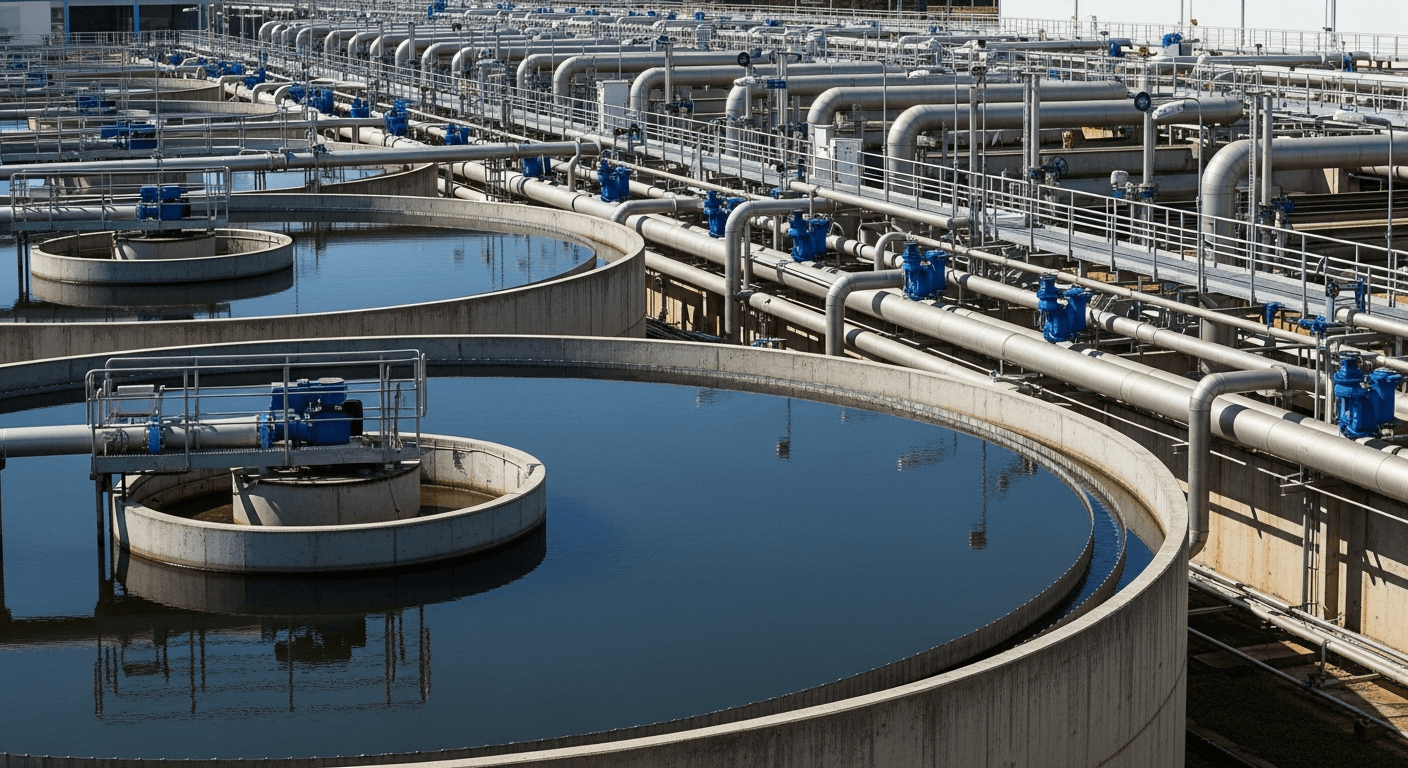
Investment in Brazil's sanitation sector reached a record R$29.1 billion in 2024, a 9% increase over the previous year and the third consecutive annual high, according to a new report from the Brazilian Association of Private Water and Sewage Concessionaires (Abcon). The milestone confirms the sustained political and financial momentum behind the Marco Legal do Saneamento, a 2020 regulatory framework designed to overhaul the country's decaying water and sewage infrastructure by mandating greater private sector investment.
The surge in spending directly reflects the success of the new regulatory model, which restructured the sector to favor private concessions and auctions over traditional state-run monopolies. Since the framework’s approval in 2020, 70 auctions have been successfully completed through June 2026, contracting for a total of R$ 227.5 billion in future investments. This pipeline of contracted capital demonstrates strong market confidence in the long-term profitability and regulatory stability of the sector, attracting both domestic and international infrastructure funds.
Despite the record R$29.1 billion investment, the data simultaneously underscores the massive sanitation gap that remains and the long-term nature of the investment opportunity. In 2024, only 51.8% of the sewage generated nationwide was actually treated, highlighting the persistent distance from the national 2033 universalization goal of guaranteeing water supply and sewage treatment for 99% and 90% of the population, respectively. The continued need for massive capital expenditure to build out networks and treatment facilities means private sector participation remains essential for the government to meet its legal obligations.
The pace of investment is expected to continue as the next phase of projects moves from planning to execution. Abcon notes that an additional 31 projects are currently being structured, which are forecast to bring in another R$32.0 billion in new contracted investments. For investors, the key factor to watch is the continuity of regulatory stability—ensuring the framework remains shielded from political attempts to revert to the old public utility model—which will determine the ultimate trajectory toward the 2033 target.
What it touches The sustained commitment to the Marco Legal do Saneamento has a direct financial impact on the Brazilian utility stocks involved in the sector's expansion, including major players like the São Paulo state utility Sabesp (SBSP3), the Minas Gerais state utility Copasa (CSMG3), and the Paraná state utility Sanepar (SAPR4). The guaranteed investment pipeline and a clear regulatory horizon are long-term catalysts for these listed companies.
Related coverage
Politics · PRO
Brazil Supreme Court Moves to Impose Binding Fiscal Discipline on All Government Spending
Published
Politics · PRO
Brazil’s PPSA Schedules First Auction to Break Petrobras Gas Monopoly, Targeting 50% Price Cut for Industry
Published
Politics · PRO
Brazil’s Election Defined by Stark Fiscal Divide Over High Debt and 13.75% Interest Rate
Published